Trending


Guinean textile designer and entrepreneur Mariama Camara is shifting her focus from promoting African fabrics on international runways to building institutional infrastructure to protect and commercialise the continent’s textile heritage.
After spending over two decades elevating “Made in Africa” textiles through collaborations with high-profile fashion brands such as Tory Burch, Ulla Johnson, and LemLem, Camara has established the Institute of African Textiles, the African Textile Academy, the IE3 Museum of African Textiles, and IAT Magazine.
Her new initiatives aim to document traditional techniques, secure intellectual property rights, and build sustainable economic value for native artisans.
Read More : Africa Tests New Funding Models for 5G
Camara’s deep connection to textiles stems from a rich family tradition passed down through generations of women in Guinea.
“For us, textiles are not fashion. It is identity,” Camara explained, reflecting on how her mother, aunt, and great-grandmother shaped her understanding of the craft.
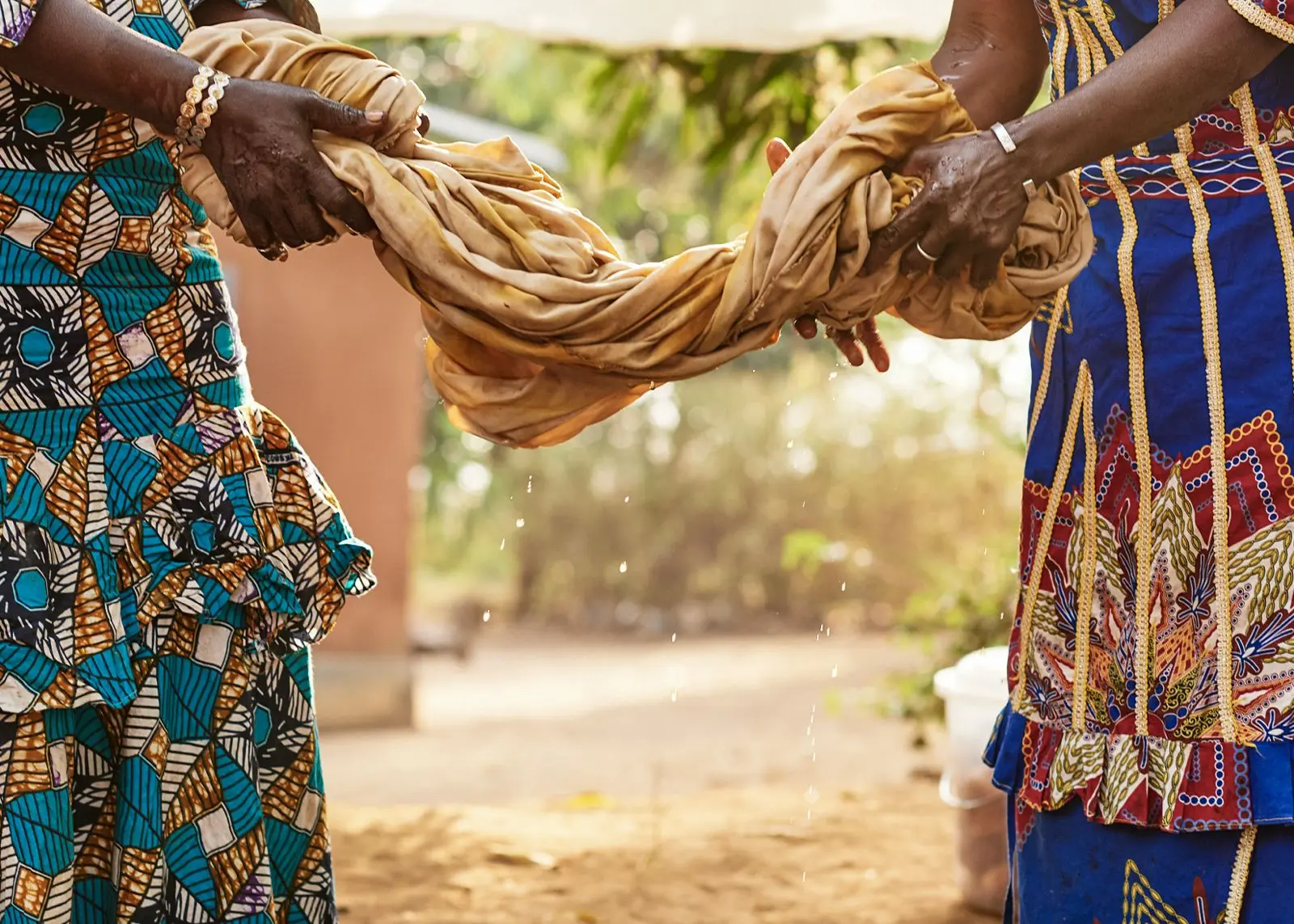
She co-founded the There Is No Limit Foundation in 2008 with her sister, providing microloans and sponsored opportunities that have empowered over 37,000 artisans.
High-Profile Partnership
A breakthrough occurred in 2012 when a high-profile partnership brought Guinean textiles into luxury retail stores globally and onto the international stage, demonstrating that African craftsmanship could compete at the highest commercial levels.
“The world comes to you when you know how to package your culture. That is the gap we need to close,” she said.
Despite historical recognition, a significant gap remains between the market valuation of handmade African fabrics and European luxury goods.
Camara attributes this discrepancy not to quality but to a lack of strategic positioning, domestic confidence, and institutional support.

To bridge this divide, she launched the Institute of African Textiles around five core pillars focused on education, preservation, research, media, and global alliances.
The institute advocates for sustainable practices, including the use of native natural dyes derived from plants, kola nuts, and onion skins, while actively correcting Western museum records that historically mislabeled master African artisans as “unknown.”
Protecting traditional techniques from exploitation, mass-produced counterfeits, and unauthorised commercial reproduction remains central to Camara’s mission.
Read More : Navi Pillay’s Nobel Win Spotlights Press Freedom
Citing cultural markers like Mali’s bogolanfini and Guinea’s geographical indication protections for Léppi de Guinée, she stresses the need to educate both international and local designers on intellectual property rights.
By establishing dedicated museums, academic academies, and African-owned media platforms, Camara aims to ensure that local communities retain full ownership, control, and commercial benefit over their ancestral knowledge for generations to come.
Bonface Orucho, Bird Story Agency