Trending


The Nigerian Senate has passed a bill seeking to establish a Nigerian College of Agriculture in Shani Local Government Area of Borno State.
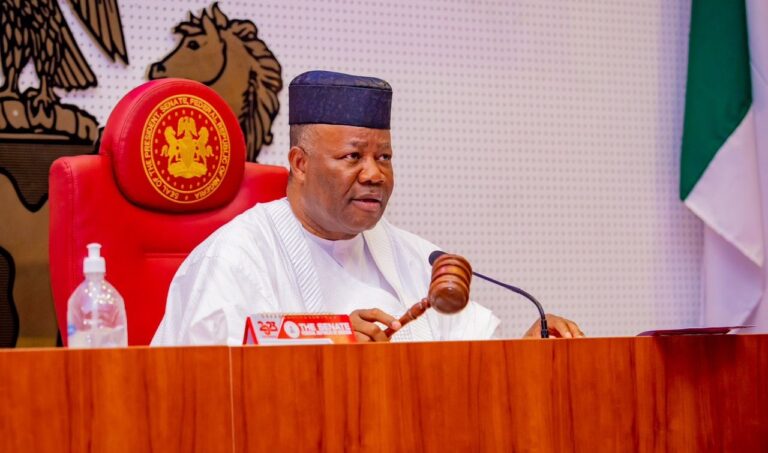
The Senate passed the bill for a third reading on Thursday after adopting a report from the Senate Committee on Agricultural Colleges and Institutions. Sponsored by Senator Mohammed Ali Ndume, who represents Borno South, the bill aims to improve agricultural education, promote modern farming methods and boost productivity.
Ndume said Nigeria’s reliance on traditional farming methods had limited growth in the agricultural sector.
Read More : Nigerian Government Reopens First Niger Bridge
“One of the fundamental challenges facing agriculture in Nigeria is our continued reliance on crude farming methods. We have not made sufficient progress in improving productivity and making farming easier through modern technology,” he said.

He added that the proposed college would help farmers adopt better farming techniques, modern technology, improved crop varieties and new agricultural knowledge. Ndume said Shani was well suited for the institution because of its agricultural potential and links to nearby farming communities.
“For those who may not know Shani, it is a local government area in Borno South. It is known for agriculture, particularly the cultivation of rice, tomatoes and onions, and shares boundaries with Adamawa and Bauchi states, which are also agricultural zones,” he said.
The senator described the bill’s passage as one of his major achievements in the National Assembly as the legislative session approaches its end. Senate President Godswill Akpabio commended the committee and Ndume for the initiative. He expressed hope that the proposed college would support agricultural development nationwide.
The bill will now be sent to the House of Representatives for concurrence. If the lower chamber approves it, the bill will be forwarded to President Bola Tinubu for assent. The proposed institution is expected to expand agricultural training and skills development in Borno State, where farming remains an important source of livelihood.