Trending

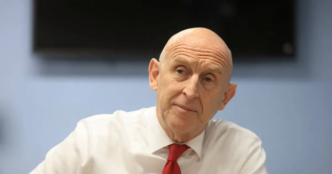
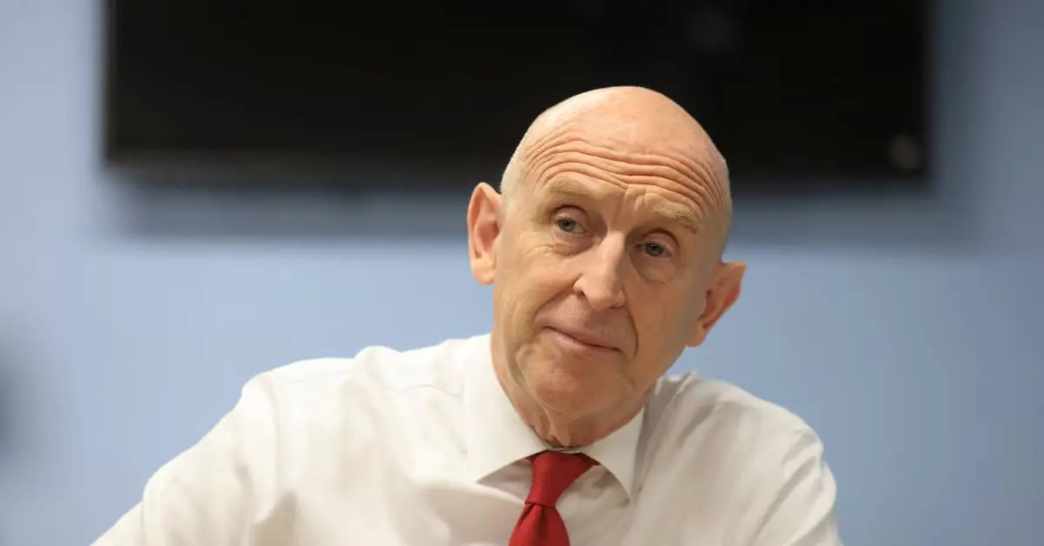
Britain’s Finance Minister John Healey will unveil his first budget on Wednesday, balancing defence commitments and household bill relief within severe financial constraints.
Escalating inflation and soaring borrowing costs—fuelled primarily by the US-Iran war—have expanded Britain’s debt pile and squeezed both businesses and consumers.
Healey outlined his approach in an eve-of-budget statement: “We can’t stop these shocks that hit Britain, but we can make Britain more resilient when they do.”
Read More : Petrol Price Hike Looms as Crude Hits $115
He emphasised that the financial plan aims to deliver “breathing space” for families alongside “targeted support” for enterprises.
Prime Minister Andy Burnham, who succeeded Keir Starmer in July, confirmed the budget will detail financing for the nation’s military investment programme.
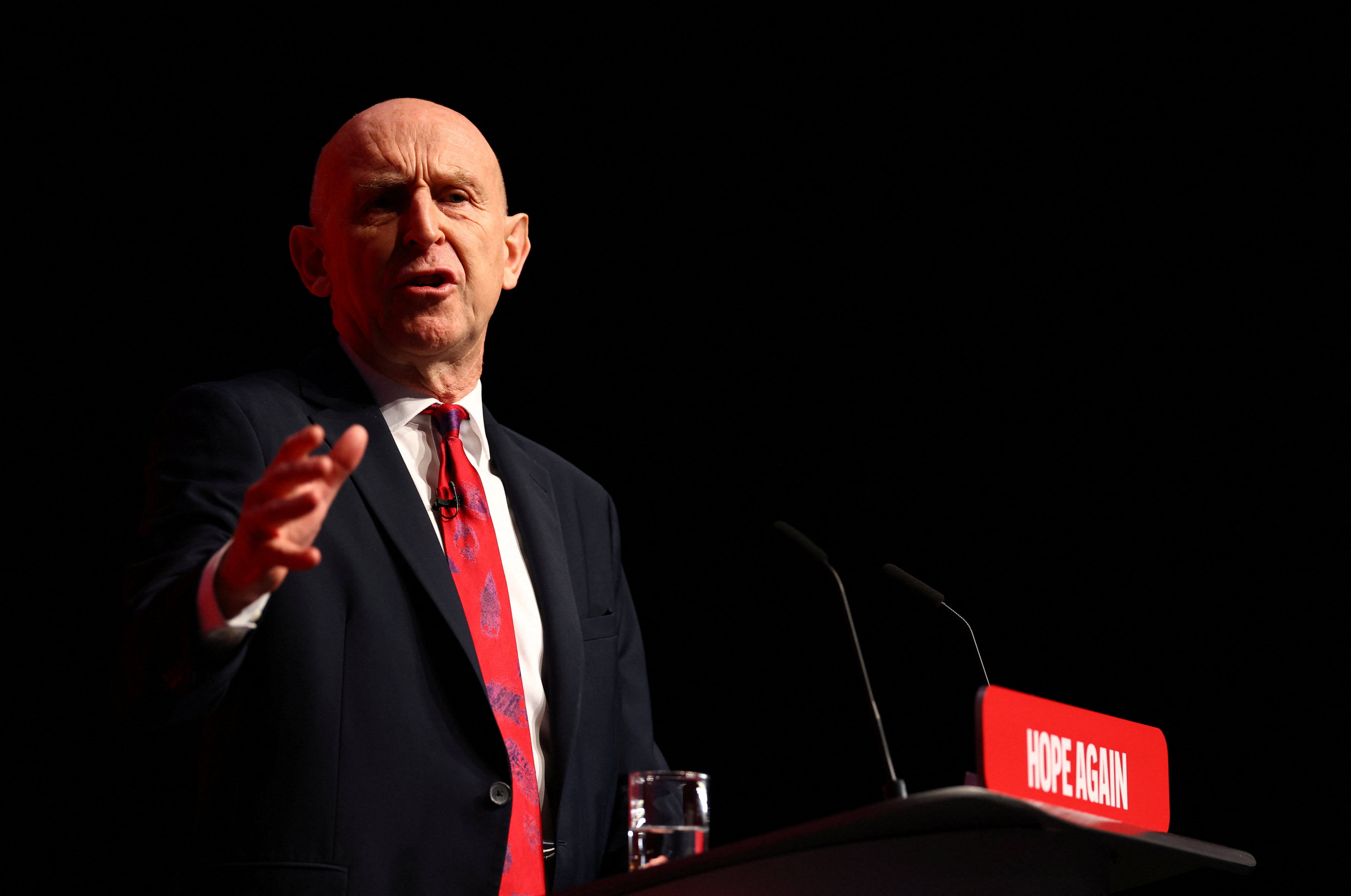
Healey, who previously resigned as defence minister over Treasury funding shortfalls, expects to delay specific plans for reaching NATO’s 3.5 per cent GDP defence target until next year.
With Labour ruling out increases to income and capital gains taxes, analysts expect spending cuts and a targeted windfall tax on banks to fund household energy subsidies.
Oxford Economics economist Alexander Harvey characterised the upcoming release: “This budget will largely be a stopgap that will tide the government over before a more significant policy overhaul in 2027.”
Read More : CBN Gives Preliminary Nod to JPMorgan
The fiscal blueprint arrives as annual inflation climbed to 3.5 per cent in September, driven by surging pump prices.
To offset growing economic pressure, the Treasury has already cut tariffs on over 100 imported goods, expanded parental pay, and invested in artificial intelligence safety initiatives.
The Office for Budget Responsibility will release updated growth and inflation forecasts alongside the budget, with market analysts expecting the state’s £23.6 billion fiscal headroom to shrink under rising global debt servicing costs.