Trending

The International Monetary Fund (IMF) forecast a 1.3 per cent contraction in economic output across the Middle East, North Africa, and Pakistan in 2026 due to the ongoing military conflict, according to a regional outlook released in Dubai on Thursday.
While the IMF projects a sharp recovery with 6.6 per cent growth in 2027, total output across these nations will remain below pre-war expectations.
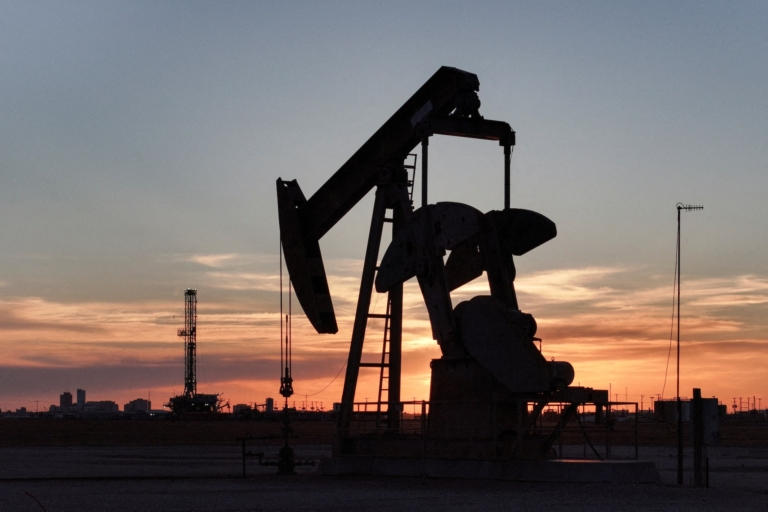
Disruptions to energy production, global shipping routes, tourism, trade, and investor confidence continue to drive the economic downturn.
Read More : Oil Prices Rise on Middle East Supply Risks
Oil-exporting nations suffer the heaviest losses from supply and transit disruptions, whereas oil-importing economies show greater resilience through steady remittance flows and targeted consumer support policies.
Meanwhile, economic growth across Caucasus and Central Asian countries is stabilising at 5.2 per cent in 2026 and 5 per cent in 2027.
Assuming the conflict abates in early 2027, the IMF anticipates a gradual normalisation of regional trade, though high uncertainty persists.
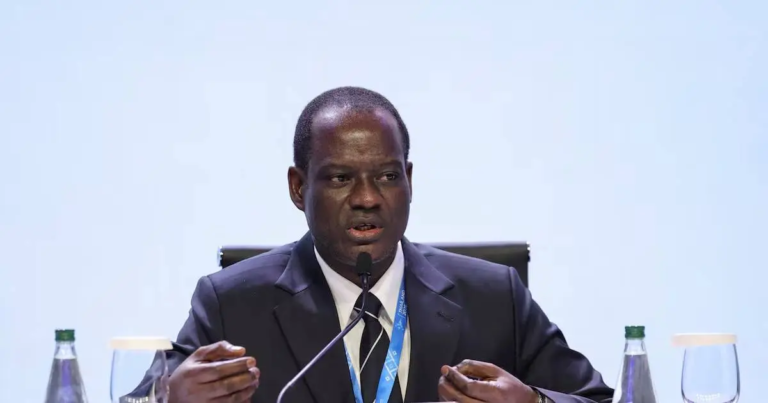
IMF officials warned that potential spikes in energy prices, tighter financial conditions, and shifting investor expectations could further strain regional growth.
Consequently, the organisation urges policymakers to protect central bank independence, preserve fiscal stability, and implement structural reforms to generate employment.