


 Trending

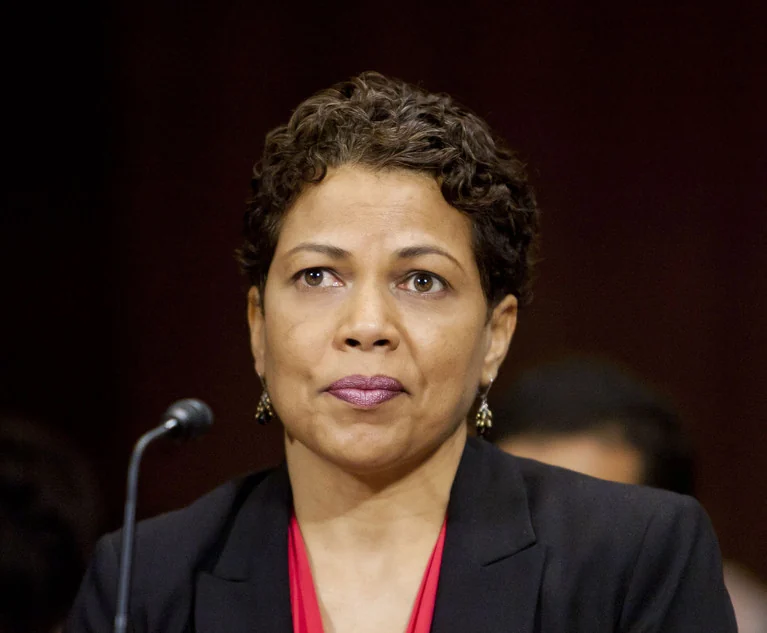
A national judge in Washington, DC, has blocked the Trump administration from sharing lists of alleged noncitizen voters with state election officials.
US District Judge Tanya Chutkan issued the order late Monday. She said the administration likely violated national privacy laws by disclosing the voter information. She also ruled that the government lacked the legal authority to share the lists.
The ruling has also halted efforts to make officials separate ballots cast by people on the lists for further investigation.
The decision marks another legal setback for the Trump administration’s efforts to tighten checks on voter citizenship. The Justice and Homeland Security departments have sent lists of alleged noncitizen voters to election officials in California and Washington over the past month.
The administration has also pushed states to introduce stricter voter verification measures, even though the midterm elections are already ongoing. However, the move has raised concerns about national interference in state election processes.
Election officials and experts have warned that national databases could wrongly identify eligible US citizens as noncitizens. They said Homeland Security officials compared national records with outdated and incomplete state voter files, which could produce inaccurate matches.
The ruling follows other court decisions against the administration’s efforts. In California, courts blocked a Justice Department lawsuit seeking to separate ballots cast by about 20,000 people identified on a government list of alleged noncitizens.
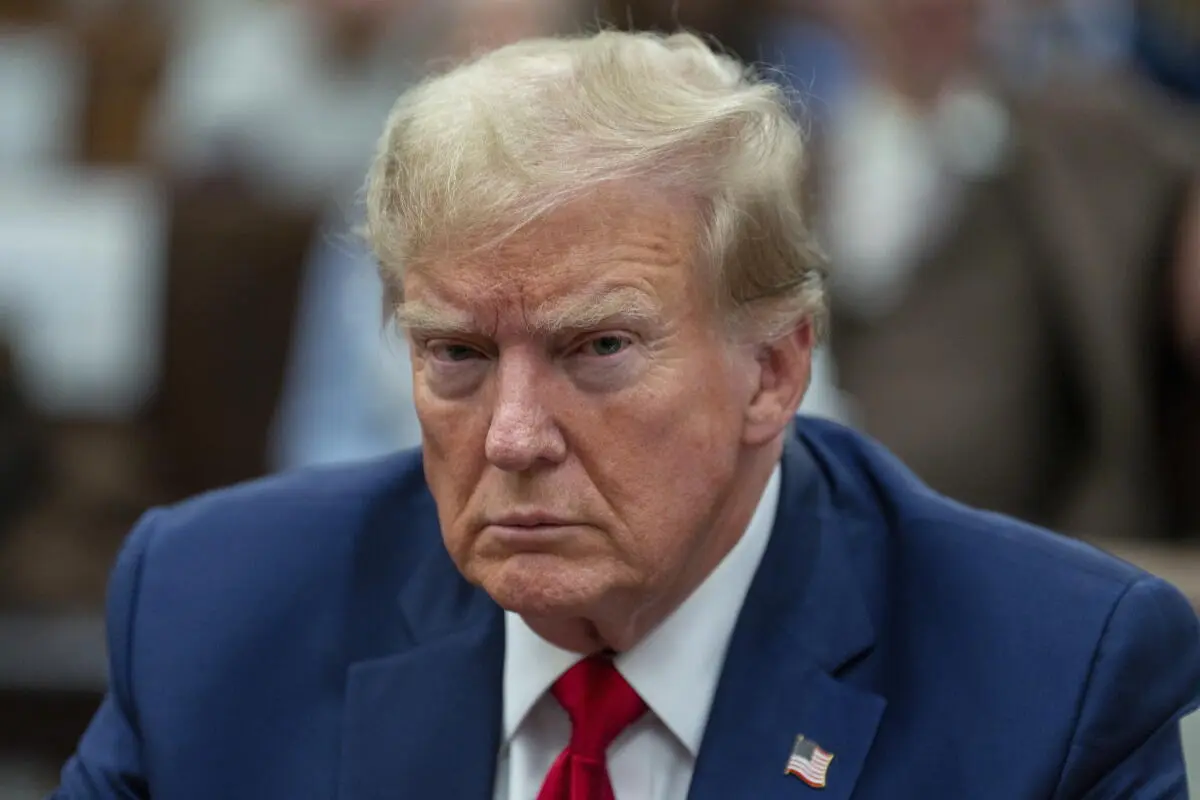
President Donald Trump took the case to the US Supreme Court on Monday. However, the court quickly rejected the administration’s request.
Read More : Iran Displays Billboard Threatening Trump’s Life
In a separate case, a national judge barred the Justice and Homeland Security departments from demanding that election officials separate ballots, remove voters from registration lists or stop ballot processing.
Another judge also blocked the administration from ordering election officials to change their voting procedures. The ruling also barred officials from threatening election workers with prosecution over how they handle elections.
The latest decisions have limited the administration’s attempts to use national agencies to influence how states manage voter registration and election procedures.