


 Trending



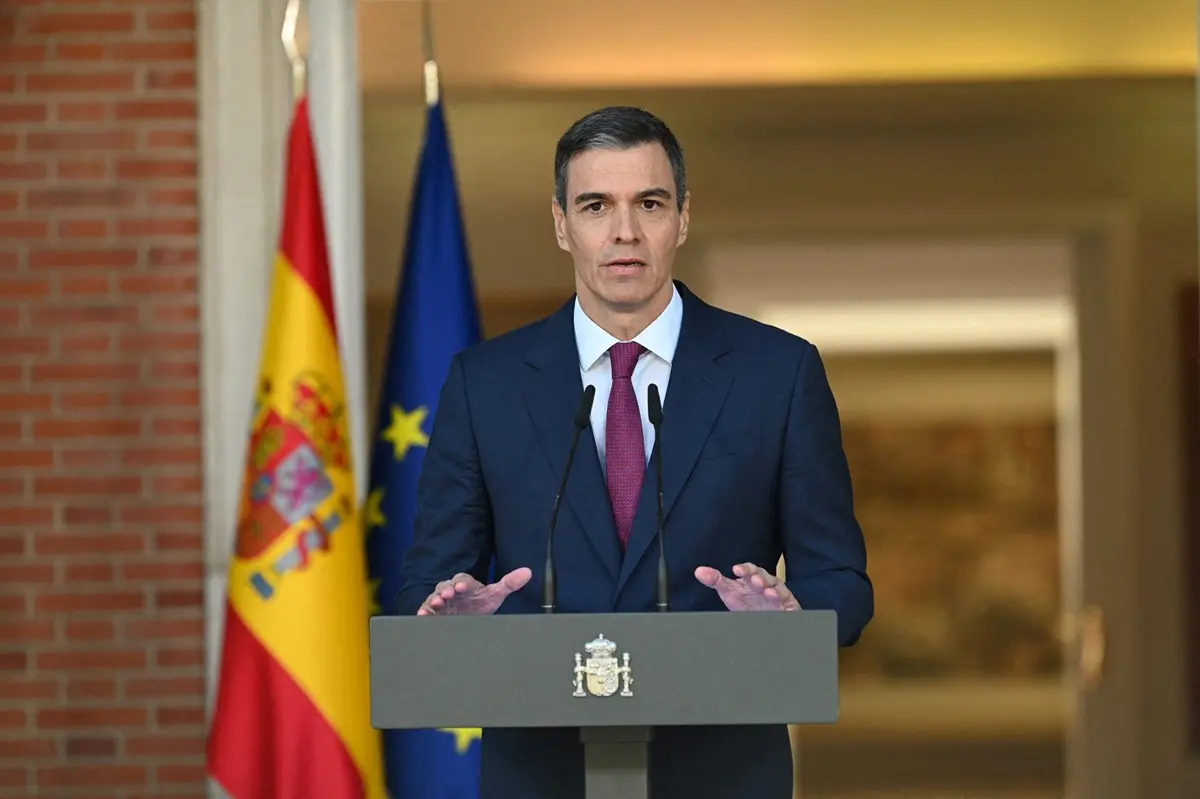
Spain has recorded strong economic growth under Socialist Prime Minister Pedro Sanchez, placing it among the best-performing major economies globally despite the disruptions caused by the COVID-19 pandemic and Russia’s invasion of Ukraine.
However, the country’s economic gains have been accompanied by rising living costs, which have weakened household purchasing power. Income inequality also remains higher than the European Union average.
As Spaniards prepare to vote in Sunday’s snap general election, here are five key indicators of the country’s economic performance.
Read More : IMF Approves $425 Million Programme for Guinea
Strong economic growth
Spain’s government projects that the economy will expand by 2.6 per cent in 2026, matching its growth rate in 2025 and exceeding the eurozone average.
The economy suffered a 10.9 per cent contraction in 2020 as the COVID-19 pandemic brought international travel to a near halt, severely affecting the country’s tourism industry.
Spain has since received almost €80 billion in grants from the European Union’s NextGenerationEU recovery fund, established in 2021. The allocation is the largest received by any EU member state.
The funding, combined with strong tourism activity and domestic spending, has contributed to the country’s recovery.
Unemployment and public debt
Spain’s economic expansion has helped reduce public debt to 100.3 per cent of gross domestic product (GDP), bringing it closer to the 97.1 per cent recorded in 2018, according to the Bank of Spain.
Debt reached its highest level of 124.2 per cent of GDP in March 2021.
The reduction has continued despite the government’s inability to secure parliamentary approval for a new budget since 2023, as Sanchez’s administration lacks a majority in parliament.
Unemployment has also declined, falling from about 15 per cent in 2018 to 10.2 per cent in the third quarter of 2026, figures from the National Statistics Institute (INE) show.
Although this is close to the rate recorded before the 2008 financial crisis, Spain still has the second-highest unemployment level among the 38 mostly wealthy countries in the Organisation for Economic Co-operation and Development (OECD).
Youth unemployment remains a major concern, even after a notable decline. The rate among people aged 16 to 24 stood at 23.3 per cent in the third quarter of 2026, compared with 33 per cent in 2018.
Wages and cost of living
Spain’s minimum monthly wage has increased considerably under Sanchez, rising from €860 in 2018 to €1,425 currently.
Average monthly earnings have also climbed, reaching €2,460 from €2,000 over the same period. However, inflation and rising housing expenses have reduced the impact of the wage increases on household finances.
Consumer prices have increased by 30 per cent since Sanchez became prime minister in 2018, when inflation was around two per cent.
Inflation accelerated to more than 10 per cent in 2022 following Russia’s invasion of Ukraine before easing. It rose again to 4.9 per cent in September and October, partly driven by tensions in the Middle East.
Growing population
Spain’s population reached almost 50 million as of October 1, according to INE data. The figure includes approximately 7.5 million foreign nationals.
In July 2018, the country had 46.7 million residents, including 4.7 million foreign nationals.
In April, Sanchez’s government introduced a major regularisation programme to grant legal status to undocumented migrants.
Government figures show that the initiative attracted nearly 1.2 million applications, with people from Latin America accounting for about two-thirds of submissions.
World’s second most visited country
Spain received a record 96.8 million international tourists in 2025, making it the world’s second most visited country after France.
The figure represents a 17 per cent increase from the 82.2 million foreign visitors recorded in 2018.
The country’s beaches and warm-weather attractions continue to draw holidaymakers, while cultural tourism also attracts visitors to major cities such as Madrid, Barcelona and Seville.
However, the growth in tourism has generated concerns among residents, many of whom blame short-term holiday rentals for reducing the availability of housing and pushing up prices.
Some also argue that the steady arrival of visitors has changed the character of their neighbourhoods.