


 Trending

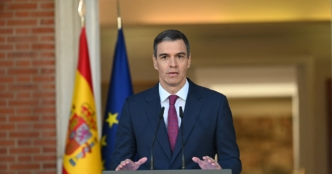
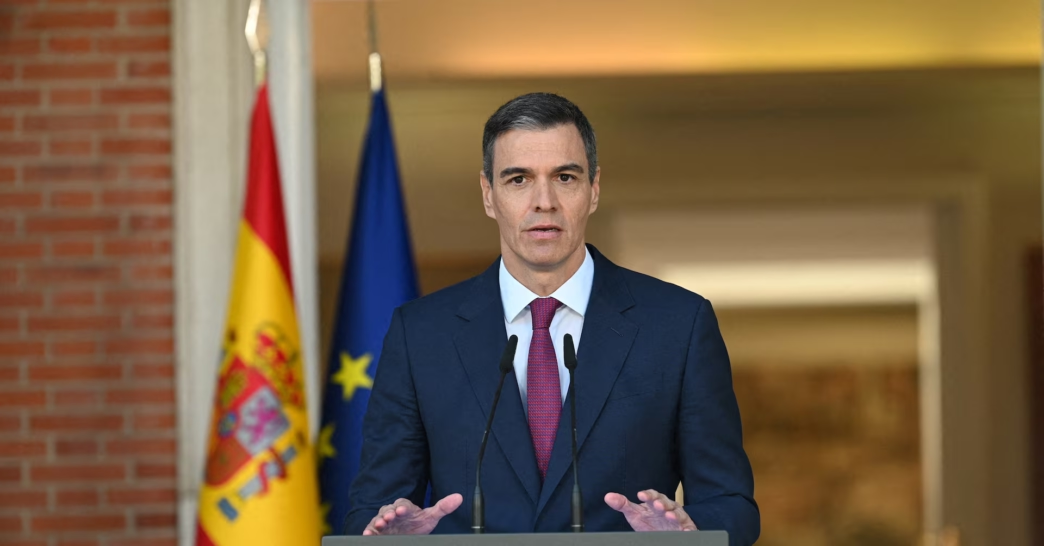
Spanish Prime Minister Pedro Sánchez has proposed a new tax on fortunes exceeding €100 million ($109 million), saying the revenue would help finance childcare benefits, housing and improved public services.
The proposal, announced on Monday, comes days before Spain’s snap general election on Sunday, as Sánchez’s Socialist Party seeks to distinguish its economic policies from those of the conservative Popular Party (PP).
Opinion polls indicate that the PP could secure the most parliamentary seats but fall short of an outright majority, potentially giving the far-right Vox party a decisive role in forming the next government.
Read More : Democrats Seal Sweeping Congressional Majority
Sánchez, who has been in office since 2018, defended the proposed tax by pointing to the growing concentration of wealth among Spain’s richest citizens.
“Although we have reduced income inequality to historic lows, the richest 0.1 percent hold more than 10 percent of the wealth. And their share has kept growing since 2010,” Sánchez wrote on X.
“We propose a tax on fortunes worth more than 100 million euros to fund, for example, a child-rearing benefit, housing, and better public services. Let millions translate into rights too,” he added.

Similar wealth tax proposals have gained support among left-leaning politicians in Britain, France, the Netherlands and other European countries seeking to address economic inequality and mobilise voters.
However, business groups have opposed such measures, warning that higher taxes on wealthy individuals could drive entrepreneurs abroad and potentially affect investment, economic growth and job creation.
Read More : UN Calls Probe into Libya Ship Attack
Spain introduced a solidarity tax on large fortunes in 2022, targeting individuals with net assets exceeding €3 million. The measure complements regional wealth taxes and seeks to ensure wealthy residents contribute regardless of where they live.
Meanwhile, the Popular Party has promised tax reductions for middle- and lower-income earners and young workers, alongside incentives for businesses investing in technology and digitalisation.
The competing proposals reflect ideological differences between Spain’s major political parties over taxation, wealth redistribution and economic growth.