


 Trending

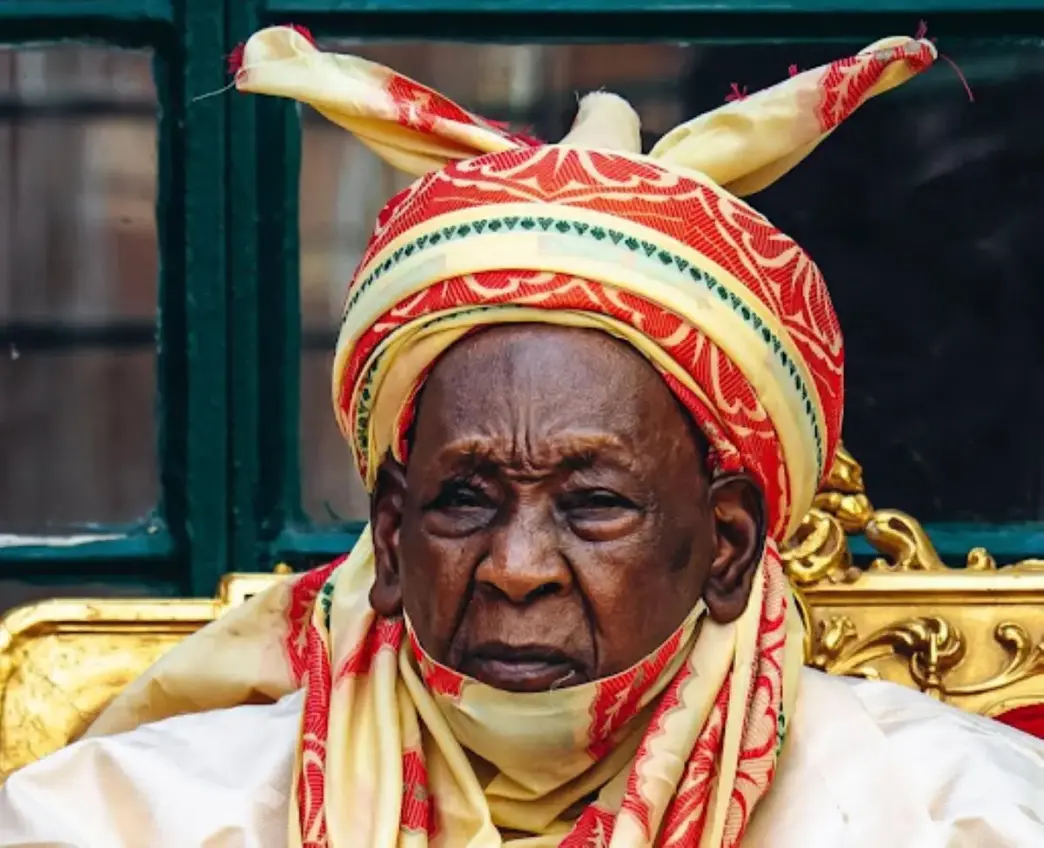
Despite a camera recording his every move, despite the embarrassment occasioned by his rather conspicuous appetite for marrying and divorcing women decades younger than himself, despite the viral images of him locking lips with one of his young wives, and despite everything the footage from his palace appears to reveal, some people are still working overtime to defend the Emir of Daura, Alhaji Faruk Umar Faruk.
“This is a set up.”
“Why did she sit so close to him?”
“Why was she laughing?”
“Why did she allow him to hold her hand?”
“He is our royal father.”
“The video will embarrass his family.”
Anything, apparently, except hold him accountable.
Read More : AI vs INEC: Can the 2027 Register Be Trusted?
It is instructive that the conversation has quickly shifted from the conduct of the man accused to the behaviour of the woman who says she was assaulted. This is the familiar choreography of victim-blaming: interrogate her proximity, scrutinise her laughter, question her intentions and, if all else fails, invoke the dignity of the assailant’s office. The victim must explain herself, while the powerful man is afforded every conceivable excuse.
Now, imagine if this allegation had come from a poor Arewa woman living within the Emirate. Imagine the hostility, the intimidation and the moral grandstanding she would have faced, particularly from some of our religious leaders who are often conspicuously vocal when women challenge powerful men. Would she have received the same benefit of the doubt, or would she have faced a public trial of her character?
Mirka Cze – The foreign tourist could return to her country, publish her account, and explore whatever legal remedies are available to her from a position of relative safety. Even then, she reportedly waited a week before speaking publicly, doing so from the safety of her home and beyond the immediate reach of the man she accused. That, in itself, is worth reflecting on.
A Nigerian woman within the Emirate may not have the same luxury. Her family, livelihood, social standing, economic circumstances and proximity to traditional and political authority could all become instruments of intimidation. The mere audacity to speak might attract consequences far beyond the original assault.
Consider the experience of Zainab Abubakar, the 19-year-old TikToker facing prosecution over allegations that she insulted a cleric. One can only imagine the machinery that might be activated against a woman making an allegation of this nature against a powerful traditional ruler. The Cybercrimes Act, with its provisions on cyberstalking and the transmission of false information, could become another convenient instrument of intimidation. Even where allegations are ultimately unsubstantiated, the prospect of arrest, prosecution, public humiliation and the financial burden of defending oneself can be enough to silence a victim.
Of course, not every Nigerian woman would be silenced, and not every foreign woman enjoys adequate protection. But the disparity in the resources, institutional protection and freedom available to victims is too important to ignore.

There is also the question of the Emir’s fitness to occupy the throne. An advancing age could impair a person’s judgement. However, those invoking senility to excuse his indiscretion must confront the logical conclusion of their argument. If he is so diminished that he cannot distinguish appropriate conduct from sexual impropriety, is he still fit to exercise the authority of his office? You cannot use his age to excuse his behaviour while simultaneously pretending that it has no bearing on his capacity to rule.
Over the years, his conduct has raised questions about the dignity and decorum expected of the traditional institution he represents. His successive marriages to considerably younger women, the accompanying public displays and the embarrassing optics of some of those occasions have hardly enhanced the image of the Emirate. His conduct during the First Lady’s visit to his palace also attracted considerable public embarrassment. These are not isolated questions about private taste. They concern the standards expected of someone whose office carries enormous cultural gravitas and moral significance.
And that brings us to the more fundamental question: what does one do with a traditional ruler whose conduct has brought disrepute to himself, his throne, his palace, his people and the country?
An Emir is not above the law. Traditional authority is not a licence for sexual indiscretion, and reverence for an institution must never become an excuse for protecting its occupant from accountability. Indeed, the higher the office, the greater the obligation to conduct oneself with restraint.
There is a Hausa aphorism, Kunya rigar mutunci: modesty is the garment of dignity. Dignity is not conferred by titles, ancestry or the size of one’s palace. It is sustained by conduct. When the garment of decency is discarded, no turban can restore the dignity underneath.
The Emir should resign or be deposed. The appropriate authorities must also ensure that the allegations are properly investigated and that the law takes its course. If the allegations are established, he must face the consequences, including any applicable criminal proceedings.
It goes without saying that tourists are a visiting nation’s unofficial ambassadors. The Polish tourist did not travel to Nigeria to become the subject of an assault allegation in a royal palace. She deserved hospitality, not unwanted sexual advances by libidinous men. And Nigerian women, particularly those living within the reach of traditional authority, deserve no less protection.
It is a national embarrassment that a woman may have to leave the country before she feels sufficiently safe to speak about what happened to her.
Read More : Livestream Row Tests Nigeria-South Africa Reset
No woman should have to cross a border to find the courage, protection or freedom to tell her story. And no man should be so powerful that his title becomes a shield against the consequences of his transgression.