Trending
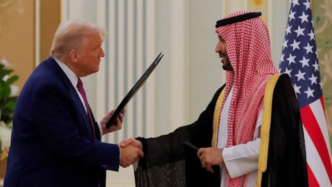
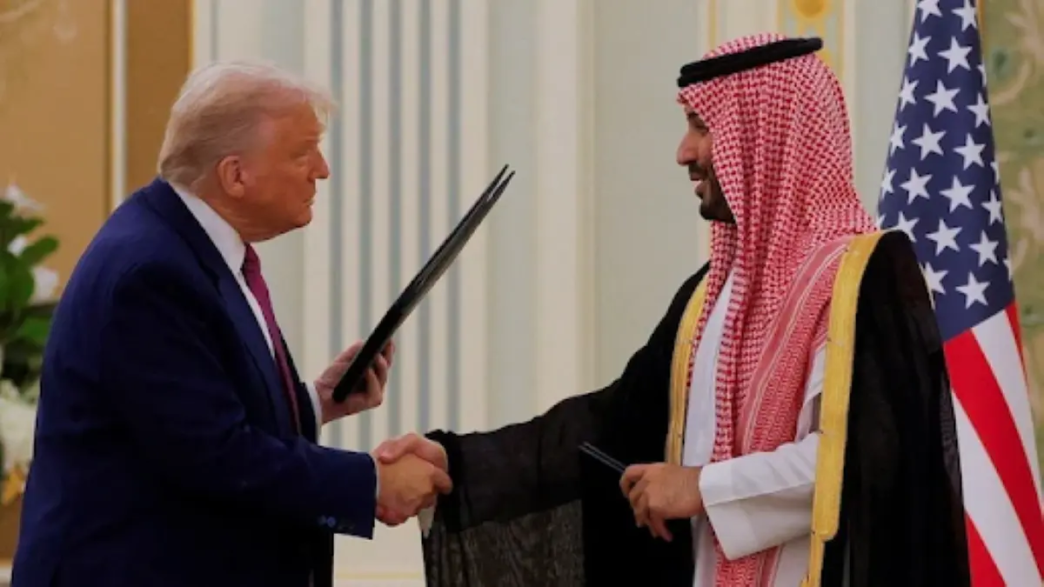
Saudi Arabia now faces security threats from multiple directions: Iran to the east, armed groups in Iraq to the north, and Yemen’s Houthi rebels to the south. The geography of these threats makes the kingdom’s security predicament particularly troubling. Despite spending tens of billions of dollars on defence and acquiring some of the world’s most sophisticated air defence systems, it remains vulnerable to attacks from a much less conventionally equipped adversary.
Saudi Arabia reportedly spent about $83 billion on defence last year, investing heavily in advanced military hardware, including Patriot missile batteries and the American-made Terminal High Altitude Area Defence (THAAD) system. Yet, Houthi missile and drone attacks have repeatedly exposed the limitations of its defences.
The question is difficult to avoid: how does a country spend so much on national security and still struggle to neutralise threats from an armed group with considerably fewer resources? The answer may lie in the difference between possessing sophisticated weapons and developing the institutional capacity to use them effectively. It also raises questions about the value of expensive defence agreements and how dependent wealthy Gulf states have become on foreign suppliers for their security.
Weapons do not operate themselves. They require highly trained personnel, competent commanders, effective intelligence, reliable maintenance and a coherent military strategy. Advanced technology is only as effective as the people and institutions that deploy it. Buying the hardware without mastering the systems behind it can create an expensive illusion of security.
This is where self-reliance becomes essential. No country can indefinitely outsource the foundations of its national defence and expect imported weapons to guarantee its survival. Foreign partnerships and military procurement have their place, but they cannot substitute for domestic expertise, institutional strength and the ability to adapt to changing threats.
A broader question also concerns the political structures governing some Gulf monarchies. Where military institutions are shaped primarily by concerns about political loyalty and regime survival, rather than professional autonomy and competence, national defence can suffer. Iran offers a contrasting example of a country that has invested in indigenous weapons production, missiles and asymmetric warfare to offset the conventional advantages of better-equipped adversaries. This does not make Iran invulnerable, but it demonstrates why a country’s capacity to develop and sustain its own military capabilities matters.
Yet, even a more capable military cannot resolve every security problem. The Houthis are not merely a weapons system to be defeated; they are an armed movement embedded in Yemen’s protracted political conflict. Saudi Arabia’s experience in Yemen demonstrates the limits of trying to secure lasting political outcomes through military pressure alone.
Saudi Arabia has compelling reasons to pursue this path. The kingdom is home to Islam’s two holiest sites, Makkah and Madinah, and welcomes millions of Muslims worldwide for Hajj and Umrah. Their safety must remain paramount. Persistent regional hostilities, missile threats and the possibility of a wider confrontation create risks that extend beyond Saudi borders to pilgrims, neighbouring countries and the wider Muslim world.
The economic consequences are equally significant. Saudi Arabia is a major player in global oil markets, and instability around the Gulf and the wider Middle East can disrupt energy supplies, unsettle prices and deepen economic uncertainty. Oil-producing and oil-importing countries alike would feel the consequences, particularly poorer economies already struggling with high energy costs. A regional war would therefore be far more than a Saudi security problem; it could become a global economic crisis.
Peace, in this context, is not an act of weakness or a substitute for credible defence. It is a strategic investment in national survival, religious responsibility and economic stability. Saudi Arabia must retain the capacity to deter attacks and protect its people, but it should also recognise that military superiority, however expensive, cannot by itself deliver lasting security.
The kingdom can continue pouring resources into an arms race that leaves underlying conflicts unresolved, or combine credible defence with sustained diplomacy, regional cooperation, and a genuine commitment to peace. The latter offers a better prospect of protecting Saudi citizens, safeguarding pilgrims, stabilising oil markets and preventing another generation of Muslims from bearing the cost of political and military confrontation.
Ultimately, the measure of Saudi Arabia’s security should not be how much it spends on weapons, but how effectively it protects human life, preserves regional stability and prevents wars from becoming necessary in the first place. A country entrusted with Islam’s holiest sites and possessing enormous influence over global energy markets has every reason to make peace a central pillar of its national security strategy.