Trending
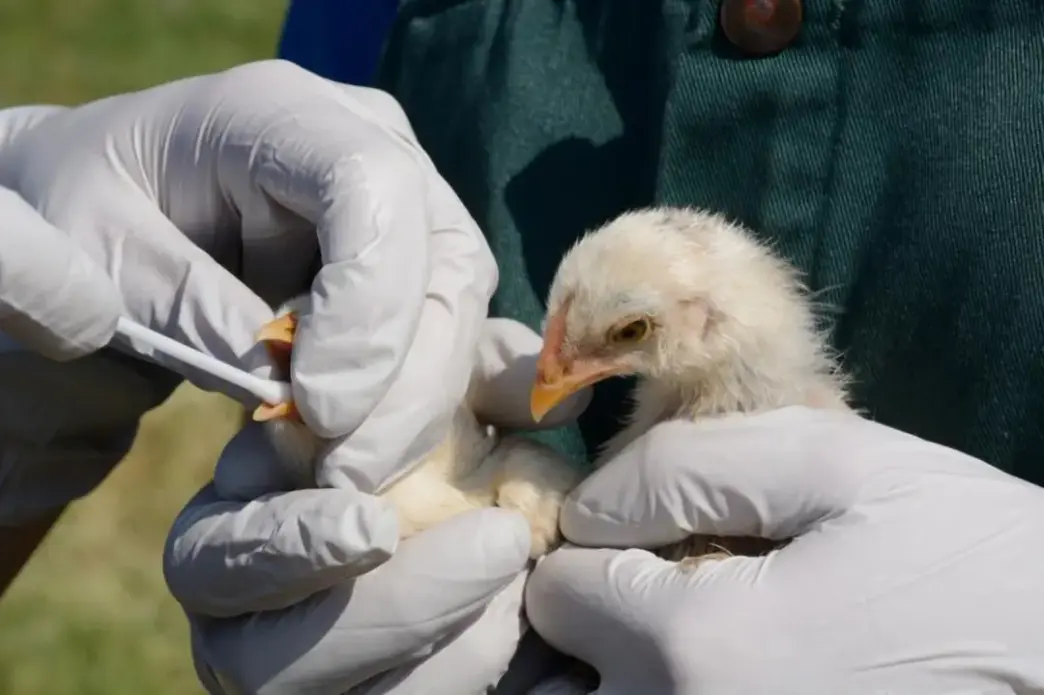
Australia has confirmed the local transmission of the highly contagious H5 bird flu virus among its wild bird population, marking a significant development after the virus was first detected in the country last month.
Chief Government Veterinary Officer Beth Cookson said on Wednesday that testing had confirmed the virus was spreading among greater crested terns along the South Australian coast.
She said the development was expected following the first detection of the virus in a migratory seabird in June, warning that wider transmission among wild birds could now occur.
According to Cookson, once the virus becomes established in wild bird populations, preventing losses among susceptible wildlife will no longer be possible.
She noted that the spread among birds sharing the same coastal habitat was not unexpected.
“This news of some local transmission may mean we start to see wider spread among wild birds,” Cookson said.
“Once the virus becomes widespread in wild bird populations, it will not be possible to avoid losses in susceptible wildlife.”
“While this is a concerning development, it is not unexpected for us to see local transmission in birds that share a coastal habitat,” Cookson added.

Australia had remained the only continental landmass free of the H5 strain for years, while outbreaks elsewhere caused widespread deaths in poultry and wild birds.
Agriculture Minister Julie Collins said there was no evidence of mass bird deaths so far and stressed that the risk to human health remained low.
She also confirmed that Australia’s poultry industry has not been affected by the outbreak.
Australia’s national science laboratory has confirmed seven new infections in greater crested terns in South Australia, bringing the country’s total number of confirmed H5 cases to 27.
The H5 strain has primarily affected waterfowl, shorebirds, seabirds and birds of prey globally, but infections have also been recorded in marine mammals and other animals, including cats, goats, alpacas and pigs.
Authorities are also investigating four suspected bird flu cases on Kangaroo Island reported on Wednesday, home to a large population of endangered Australian sea lions.
Read More : Bolsonaro Defies Exit Ban, Flees to US
South Australia’s Minister for Primary Industries, Clare Scriven, said guided beach tours would be suspended to help protect the animals while investigations continue.
Scientists have warned that the outbreak could heighten extinction risks for Australia’s unique wildlife, with almost half of the country’s bird species and more than 80 percent of its mammals found nowhere else.
In June, Australian researchers reported that the H5 strain killed more than 13,000 elephant seal pups at a breeding colony on the remote Heard and McDonald Islands.