Trending

Australia will double the financial penalty on platforms flouting its world-leading social media ban for under-16s to stem widespread evasion of the restrictions, the government said on Saturday.
New legislation will lift the maximum fine to Aus$99 million ($68 million) for systemic breaches of the regulation and arm the eSafety online watchdog with greater powers to curb the platforms, it said.
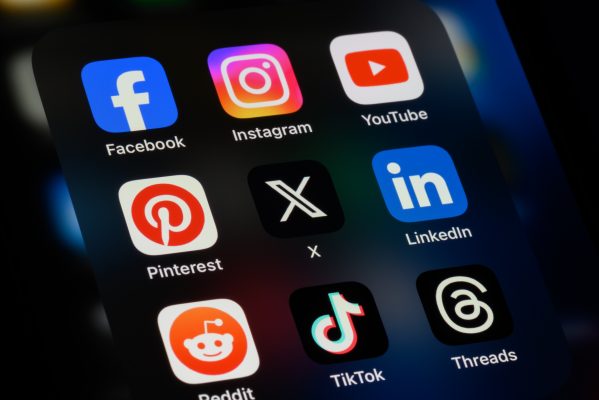
The independent regulator was “actively investigating” potential non-compliance by Facebook, Instagram, Snapchat, TikTok and YouTube, the government said in a statement.
Read More : UNGA: Lavrov Offers Help in Gulf, Slams Europe
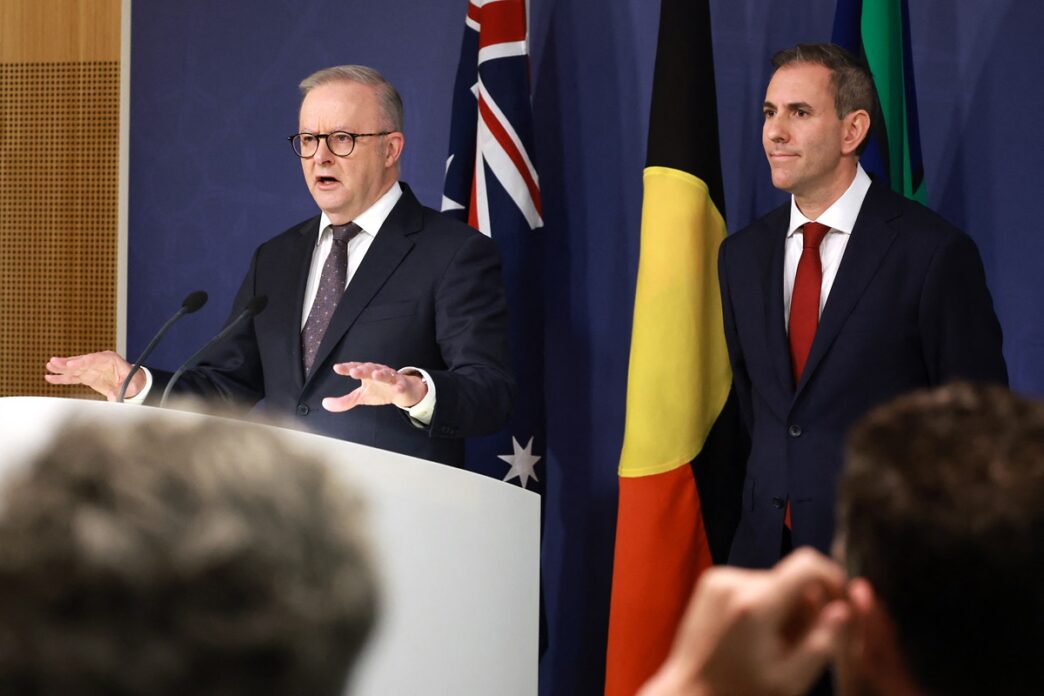
“It’s clear big tech are not doing enough to comply with the law — there are still too many children on social media,” Prime Minister Anthony Albanese said.
“These changes reflect the seriousness with which we take any failure by social media companies to comply.”
Underage users have been dodging the restrictions by using accounts registered to older people, setting up fake accounts, or by logging into private browsers.
The success of the Australian restriction is of intense interest to a growing number of nations that have introduced or are mulling similar bans — including Britain, Indonesia, the United Arab Emirates and New Zealand.
One of the first peer-reviewed evaluations of the Australian measure, published this month in the British Medical Journal, found “insufficient evidence” that it had much impact on social media use by youngsters.
The researchers surveyed more than 400 young people immediately before the restrictions came into effect, and again three months after, finding “substantial circumvention” of the rules.
There was little change for users aged 12-13, a slight decrease for the 14-15 age group, and an increase in use for those aged 16 and older.
The government says it is clear the regulator needs more powers even though more than five million accounts held by under-16s have been blocked since the ban came into force on December 10.
Under the new laws, the eSafety Commissioner will be able to compel social media companies to provide evidence of what they have done to prevent under-16s from getting an account.
It will be empowered to demand information and documents from the social media companies and also from third parties, such as age assurance or app store providers, to help it check the platforms’ claims.
Communications Minister Anika Wells said she was not satisfied the platforms were doing enough.
“Based on the regular updates I receive from the eSafety Commissioner, it is clear to me that social media platforms are adopting tricks straight out of the big tech playbook and doing the bare minimum to get by,” Wells said.
“Social media platforms are some of the richest and most powerful companies in the world, and we’re serious about holding them to account,” she said.
“These tough new penalties and powers show we will not back down. Instead, we are doubling down on our efforts to hold big tech to account.”
A growing body of research suggests too much time online is taking a toll on teen well-being, and Australia’s ban has been hailed as a godsend for parents sick of seeing children glued to their phones.
Read More : Trump Rejects Iran Proposal To Reopen Hormuz
Although platforms have pledged to abide by the laws, they have warned that the measures could instead push teenagers into dark, unregulated corners of the internet.
Social media companies bear sole responsibility for checking that Australia-based users are 16 or older, and must prove they have taken “reasonable steps” to weed out young teenagers.
Some platforms are using AI tools to estimate ages based on photos, while users can also choose to prove their age by uploading a government ID.