Trending
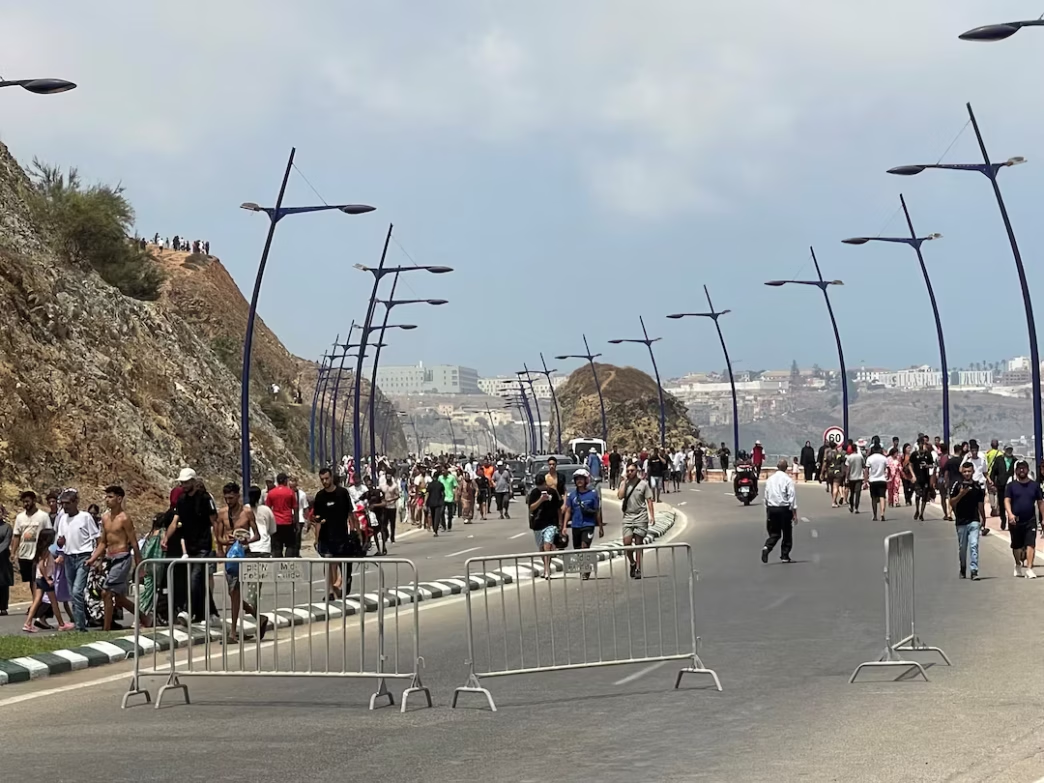
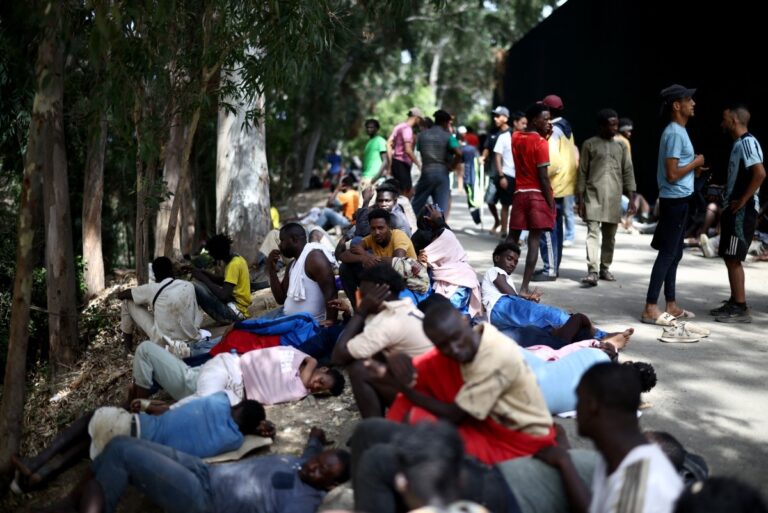
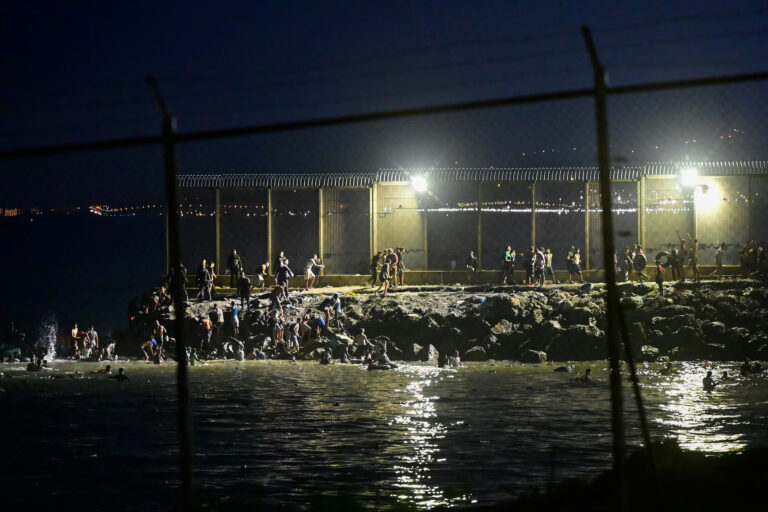
Most of the 60,000 migrants who streamed into Spain’s North African enclave of Ceuta from Morocco have now left, according to Spanish officials.
Ceuta’s top official, Juan Jesus Vivas, reported that up to 60,000 migrants entered the territory of 84,000 residents between Wednesday and Friday, while the Spanish interior ministry placed the count at 50,000.
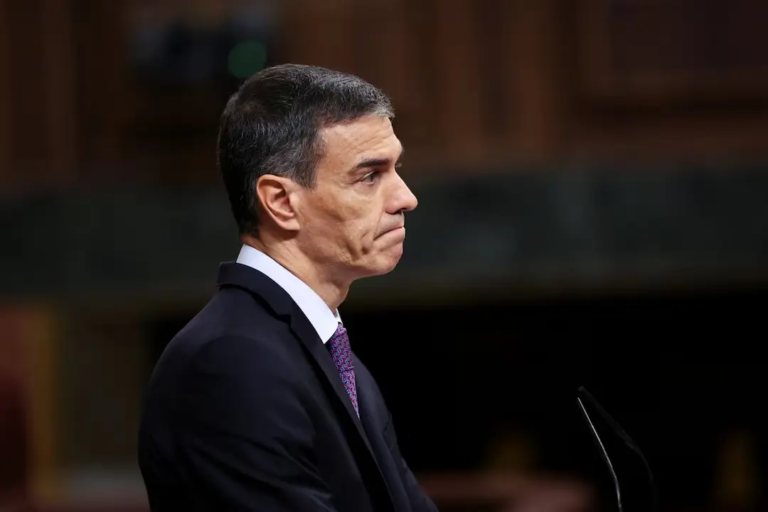
Interior Minister Fernando Grande-Marlaska confirmed Saturday that the situation has normalised, though at least 67 people died attempting the crossing.
Read More : Morocco, Spain Fight for 2030 World Cup Final
The unprecedented influx has raised sharp questions regarding Morocco’s border enforcement and sparked intense political reactions across Europe and the United States.
Observers noted that Moroccan security forces appeared to allow migrants through police checkpoints leading to the border breakwater.
Analysts suggest Morocco may be leveraging migration to pressure Spain over long-standing territorial claims regarding Ceuta and Melilla, while recent Spanish court rulings restricting rapid deportations may have also driven the surge.
Read More : FIFA Denies Morocco 2030 World Cup Final Claim
Although Spanish authorities stressed that strict Schengen rules prevent these migrants from travelling to mainland Europe, neighbouring countries reacted swiftly.

Italy announced a temporary suspension of border-free travel rules with Spain, France multiplied its police presence along the Spanish border fivefold, and Portugal reinforced its southern border controls.
In the United States, President Donald Trump labelled the influx an “invasion” and leveraged the events to promote his domestic immigration agenda ahead of the November mid-term elections.