Trending
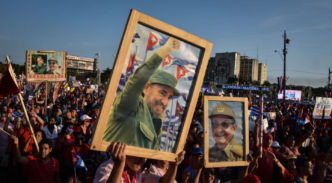
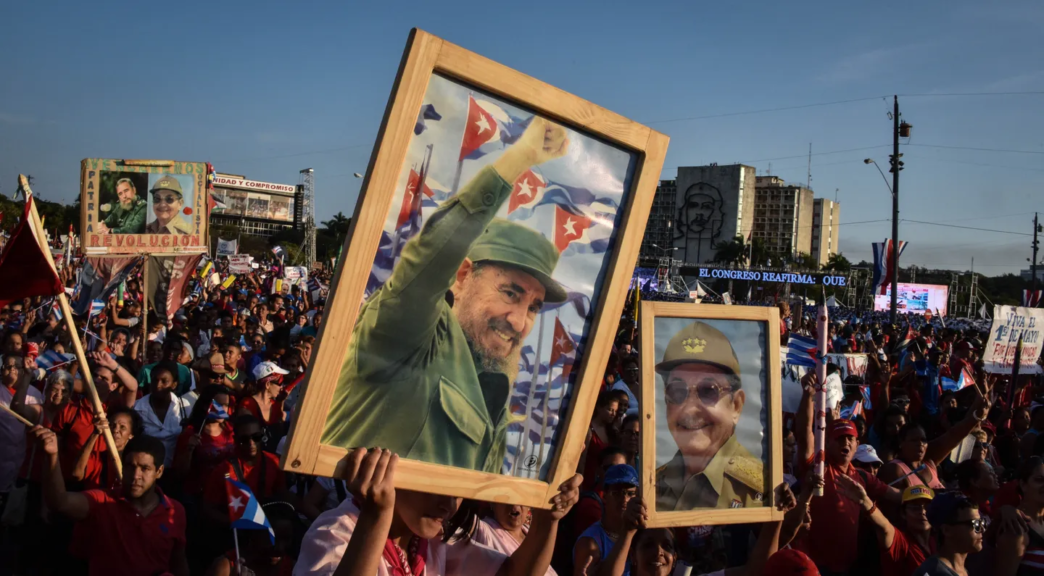
Cuba has commemorated 100 years since the birth of Fidel Castro, the revolutionary leader who ruled the island for nearly five decades, as citizens debate the legacy of his socialist revolution and question whether his successors can address the country’s deepening challenges.
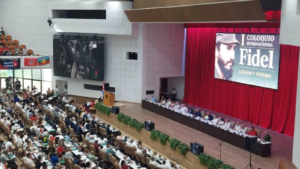
The Communist Party has spent the week honouring Castro with exhibitions, concerts and conferences ahead of his August 13 centenary. The events celebrate a figure whose supporters credit with defending Cuba’s independence, expanding social programmes and guiding the country through decades of political confrontation.
But the anniversary comes at a difficult moment for many Cubans. The island is facing one of its most severe crises in decades, marked by shortages of food and water, prolonged power outages and growing frustration over economic hardship.
Read More : UNGA: Lavrov Offers Help in Gulf, Slams Europe
For some, Castro remains a symbol of resistance. Supporters remember his leadership during periods of intense pressure, including tensions with the United States, the long-running US embargo, reported assassination attempts and the economic collapse that followed the fall of the Soviet Union, Cuba’s main ally during the Cold War.
Historian and opposition activist Manuel Cuesta, 63, said he once viewed Castro as a “redeemer” during his youth. However, he now believes the country’s struggles have changed how many Cubans view the former leader, describing him as the “original architect of this national disaster.”
Hassan Perez, a historian, former student leader and one-time close collaborator of Castro, admitted that the centenary arrives at “the most complex conditions that could have been imagined.” He said the social agreement built around the revolution “has eroded” in recent years as economic difficulties have intensified.
Despite growing criticism, Castro continues to hold a place in Cuba’s national identity. For many supporters, he remains a revolutionary icon whose achievements outweigh the failures of the current system. For others, his legacy is tied to decades of hardship and unresolved questions about Cuba’s future.