Trending
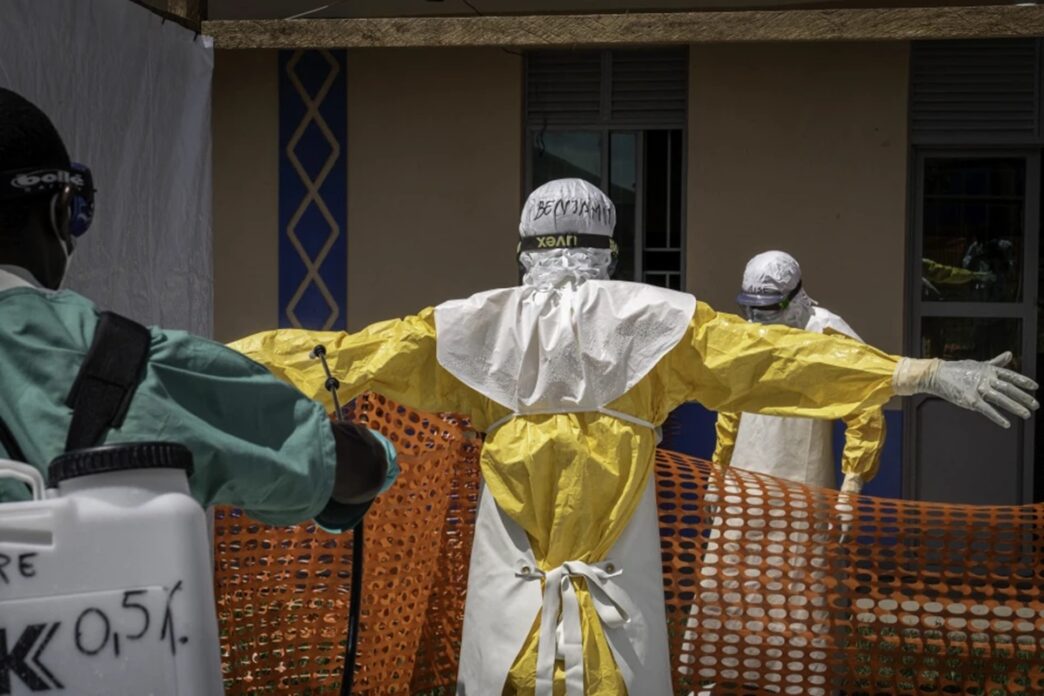
The number of confirmed Ebola cases in the Democratic Republic of Congo (DR Congo) has risen to 1,118, including fatalities, as health authorities continue efforts to contain the outbreak.
In an update issued on Wednesday, the country’s Ministry of Communications and Media said 122 people had recovered from the disease, while 408 patients were receiving treatment. The ministry added that the case fatality rate currently stands at 26 percent.
According to the update, surveillance activities remain active across affected areas and have identified 138 suspected cases. Health officials said the contact-tracing follow-up rate stands at 77.1 per cent, underscoring ongoing efforts to monitor and contain potential chains of transmission.
Read More : Surging Ebola Outbreak Overwhelms Congo
The eastern Ituri Province remains the epicentre of the outbreak, accounting for the majority of confirmed cases. Authorities noted that South Kivu Province has not recorded any new transmission since May 26, a development seen as a positive sign in the response effort.
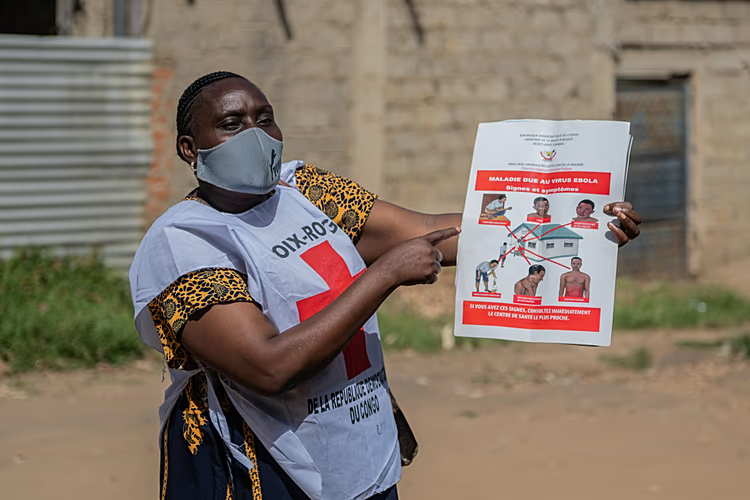
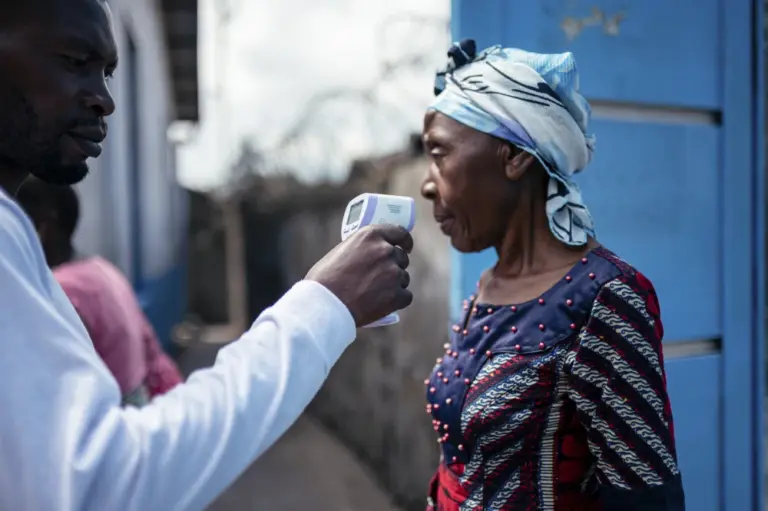
The ministry said surveillance, patient care, contact tracing, and community engagement activities are continuing in affected communities as health workers seek to curb the spread of the virus.
Meanwhile, the Director-General of the World Health Organisation (WHO), Tedros Adhanom Ghebreyesus, said the global risk posed by the outbreak remains low despite the rising number of cases in the affected region.
Speaking during a press briefing in Geneva on Wednesday, Tedros said significant challenges continue to hamper response efforts, even as health authorities and international partners work to strengthen disease surveillance, case detection, and treatment capacities.
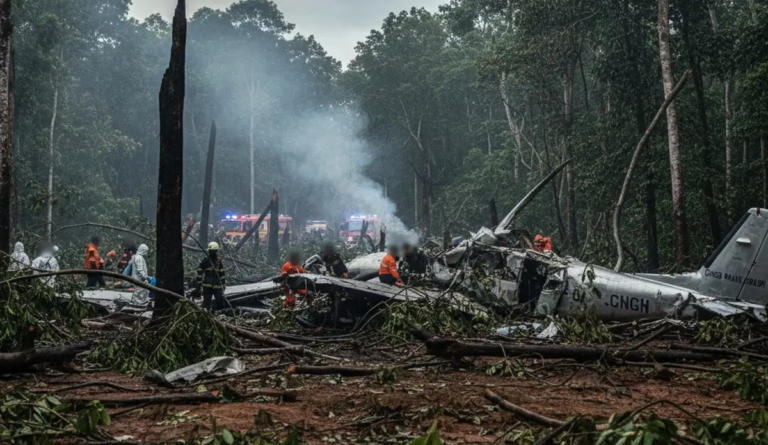
Read More : DR Congo Plane Crash Kills 17
While acknowledging progress in scaling up the response, he warned that the outbreak was spreading faster than containment efforts.
“The outbreak is continuing to outpace the response,” Tedros said, calling for increased support and resources to help health workers contain the disease and prevent further transmission.
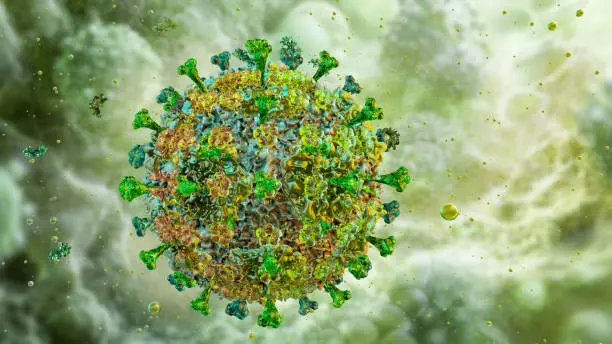
Ebola is a severe and often fatal viral disease that spreads through direct contact with the bodily fluids of infected persons or contaminated materials. Symptoms typically include fever, fatigue, muscle pain, headache, sore throat, vomiting, diarrhoea, and, in severe cases, internal and external bleeding.