Trending
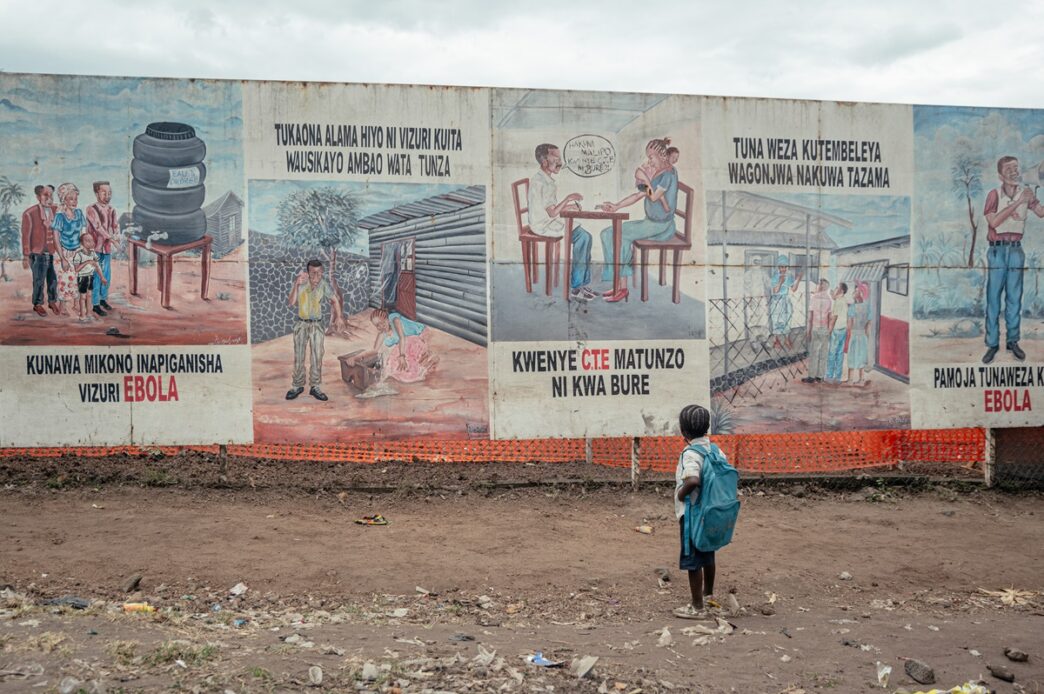
The deadly Ebola outbreak in the Democratic Republic of Congo threatens tens of thousands of jobs and could cost Africa up to $3.6 billion, the United Nations warned.
The UN Development Programme said the epidemic was “sparking a far-reaching socioeconomic crisis which could push 985,000 more people into poverty”.
“The Ebola crisis also risks eliminating tens of thousands of jobs, disrupting education and healthcare services, and costing African economies up to $3.6 billion if broader regional and global shocks intensify,” UNDP said in a statement on Tuesday.
Read More : Dollar Surges Toward September Gain Over Euro
The poverty shock — which would disproportionately affect women — would primarily impact the DR Congo and its neighbours, notably Uganda, Rwanda, and South Sudan.
“While the immediate public health threat is severe and requires containment measures such as quarantines, some of the broader restrictions on travel and trade are inadvertently devastating local economies and informal livelihoods,” UNDP warned.

In the DRC, there have been 1,333 cases and 399 deaths confirmed, while 189 people have recovered from the virus, according to figures from the World Health Organisation.
“Ebola does not stop at the hospital gate,” said Ahunna Eziakonwa, UNDP’s Africa regional director.
“It affects livelihoods, education, food security, trade, public finances and trust. If we treat this Ebola outbreak solely as a health challenge, we risk missing the much larger development emergency unfolding around it.”
UNDP said that even under a baseline scenario where the virus is successfully contained in the DRC and Uganda — which has seen 20 confirmed cases — the economic damage would be “severe”.
The DRC is projected to see “real GDP losses exceeding $1 billion and the loss of 55,000 jobs”, it said.
“Trade disruptions, border restrictions, transport delays, declining consumer confidence and interruptions to informal markets could reduce continental GDP by US$2.37 billion, even if transmission remains largely contained,” the agency warned.
Read More : White House Hosts AI Leaders on Regulation
UNDP recommended direct cash transfers to the most vulnerable, shifting from border closures to targeted screening, and setting up emergency financing mechanisms to ensure maternal, reproductive and infant healthcare services can continue during the crisis.
The conflict-hit northeastern Ituri province is the epicentre of the DRC’s latest outbreak of Ebola.
This epidemic of the viral haemorrhagic fever is caused by the Bundibugyo species of the virus, for which there is no vaccine or specific treatment.