The deadly Ebola outbreak in the Democratic Republic of Congo (DRC) has not yet reached its peak and could take up to a year to contain, the Red Cross warned on Tuesday.
Since health authorities declared the outbreak on May 15, the World Health Organisation (WHO) has confirmed 808 cases and 192 deaths in the country.
Speaking from Bunia, the capital of Ituri Province and the centre of the outbreak, Bruno Michon, operations manager for the Ebola response at the International Federation of Red Cross and Red Crescent Societies (IFRC), said the situation remained deeply concerning.
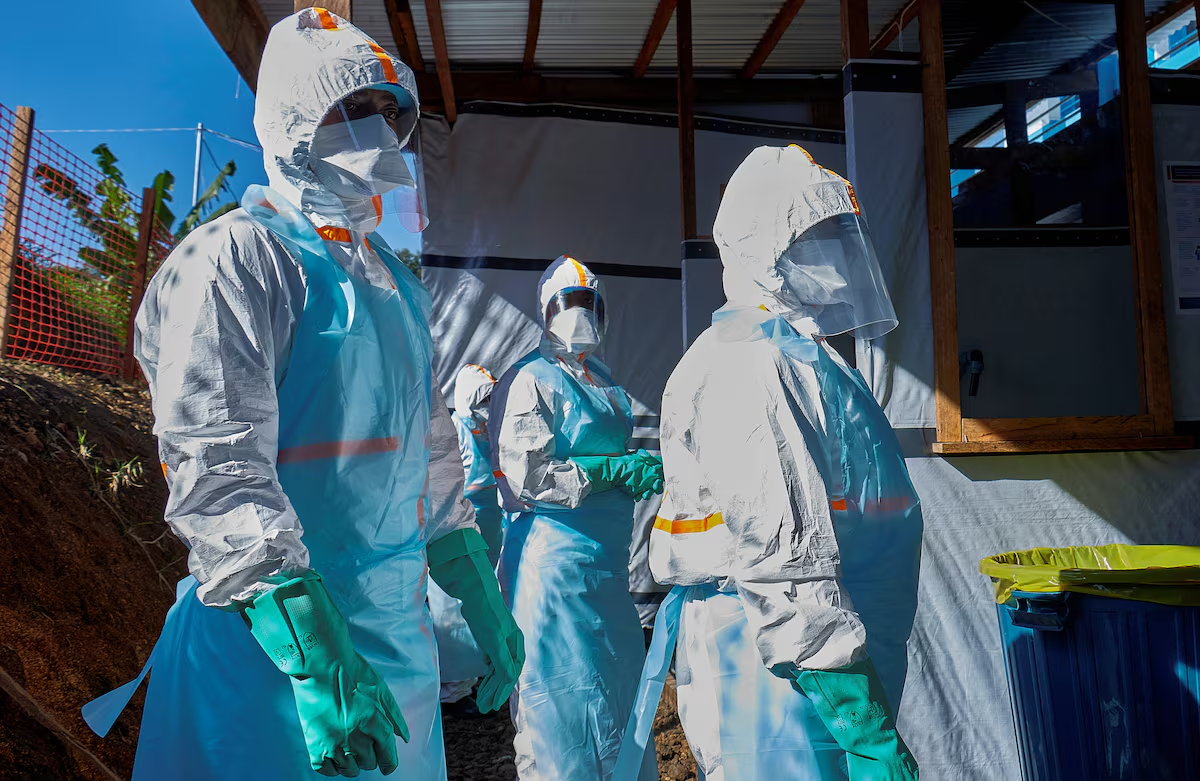
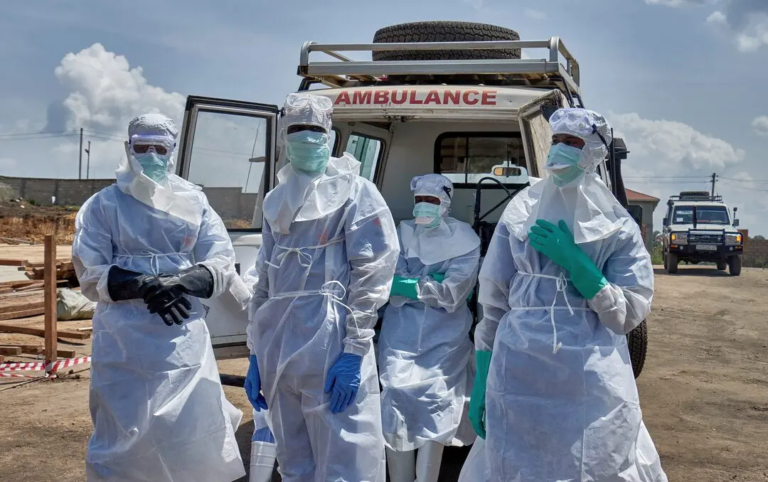
Health workers dress up in personal protective equipment (PPE) at the Evangelical Medical Center, one of the facilities at the forefront of the response to the Ebola outbreak, as agencies intensify efforts to contain a new Ebola outbreak caused by the Bundibugyo virus strain in Bunia, Ituri province, Democratic Republic of Congo, on May 31, 2026. Credit: REUTERS/Gradel Muyisa Mumbere
“Here in Bunia, what I can see is that we did not reach the peak of the epidemic,” Michon told reporters in Geneva via video link.
He noted that the IFRC and other organisations involved in the response are worried about severe shortages in testing capacity, making it difficult to determine the true extent of the outbreak.
“The peak is, I think, not beyond us, but in front of us,” he said, adding: “We are afraid that this could last one year” before the outbreak is brought under control.
The current outbreak is caused by the Bundibugyo strain of the Ebola virus, for which no approved vaccines or treatments are available. Although the epidemic is concentrated in Ituri, cases have also been reported in North Kivu and South Kivu provinces.
The outbreak has spread beyond the DRC, with neighbouring Uganda recording 19 confirmed cases and two deaths.
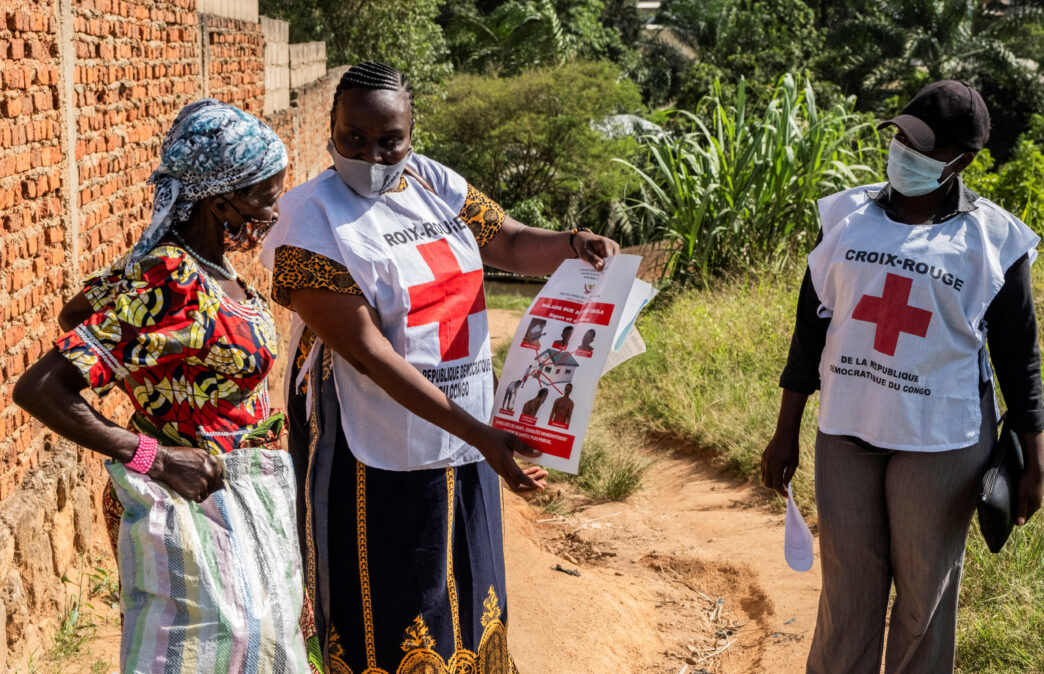
Michon stressed that controlling the outbreak would depend not only on medical interventions but also on building trust within affected communities.
“To stop this outbreak, we need to invest not only in medical response, but also in trust, local volunteers, community engagement, and operational access,” he said.
He revealed that DRC Red Cross volunteers have recently faced verbal abuse, threats and physical attacks while carrying out their duties.
“Trust is not a secondary activity in an Ebola response. Trust is central. Without trust, we cannot detect cases early. We cannot ensure safe burials. We cannot protect families. And we cannot stop transmission,” he said.
Toyibat is a highly motivated Mass Communication major and results-oriented professional with a robust foundation in media, education, and communication. Leveraging years of hands-on experience in journalism, she has honed her ability to craft compelling narratives, conduct thorough research, and deliver accurate and engaging content that resonates with diverse audiences.
Weekly roundups. Sharp analysis. Zero noise. The NewsCentral TV Newsletter delivers the headlines that matter—straight to your inbox, keeping you updated regularly.
 Trending