Trending

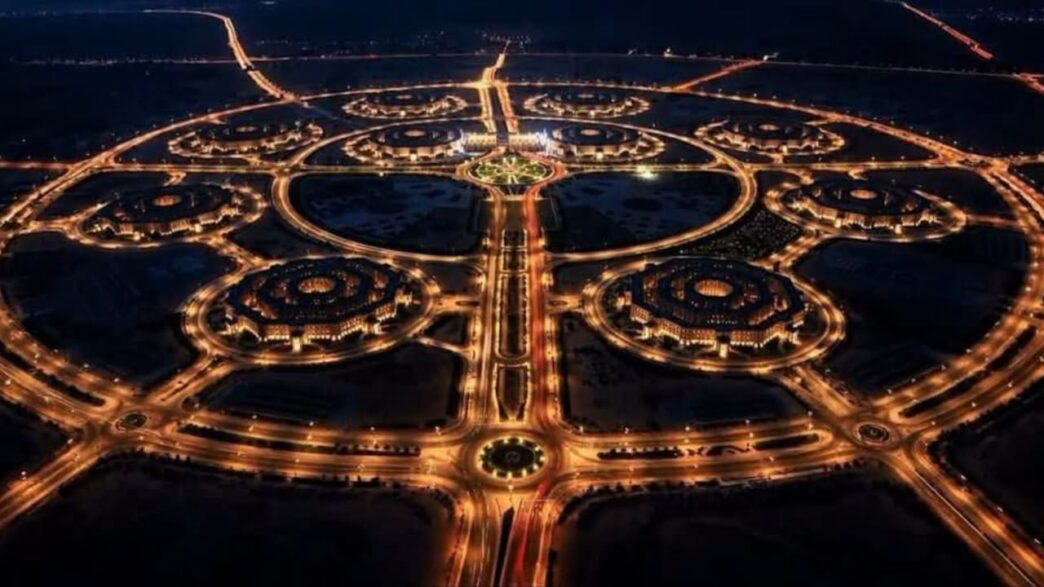
Egypt has unveiled its new Strategic Command Headquarters, known as the “Octagon,” in the New Administrative Capital, marking a significant demonstration of its evolving military architecture and strategic posture.
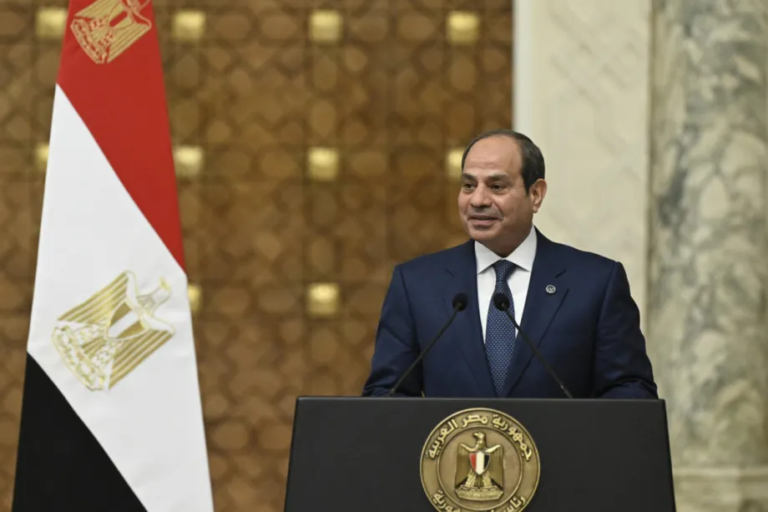
The inauguration was led by President Abdel Fattah al-Sisi, who framed the development within a broader message of stability and deterrence.
“Egypt is committed to peace for those who want peace,” he said during the ceremony, adding that the facility reflects national pride and Egypt’s intention to reaffirm its regional influence.
The facility itself is structured around eight central buildings arranged in an octagonal formation and spans approximately 22,000 acres. It is designed not only as an administrative hub but as what officials describe as a “nervous system” for state security operations, enabling real-time data exchange, crisis coordination, and advanced defence management.
Sisi emphasised that the headquarters “ensures the integration of planning and coordination for all branches of the armed forces, enhances combat capabilities, and ensures constant readiness to effectively and efficiently confront challenges using the latest advanced technology systems.”
He added that the system is engineered to address emerging threats, including cyber warfare and next-generation digital security risks, with a “massive, highly advanced digital infrastructure” dedicated to national data protection and cybersecurity resilience.
Read More : Egypt to Host Africa Business Summit
The architecture draws symbolic inspiration from ancient Egyptian civilisation while reflecting modern state-building priorities linked to the New Administrative Capital project.
The unveiling comes amid a wider regional trend of military modernisation, with several states increasing defence spending and expanding strategic infrastructure. Observers note that Egypt’s move aligns with similar efforts by regional powers seeking to reinforce deterrence capabilities while projecting stability.