Trending
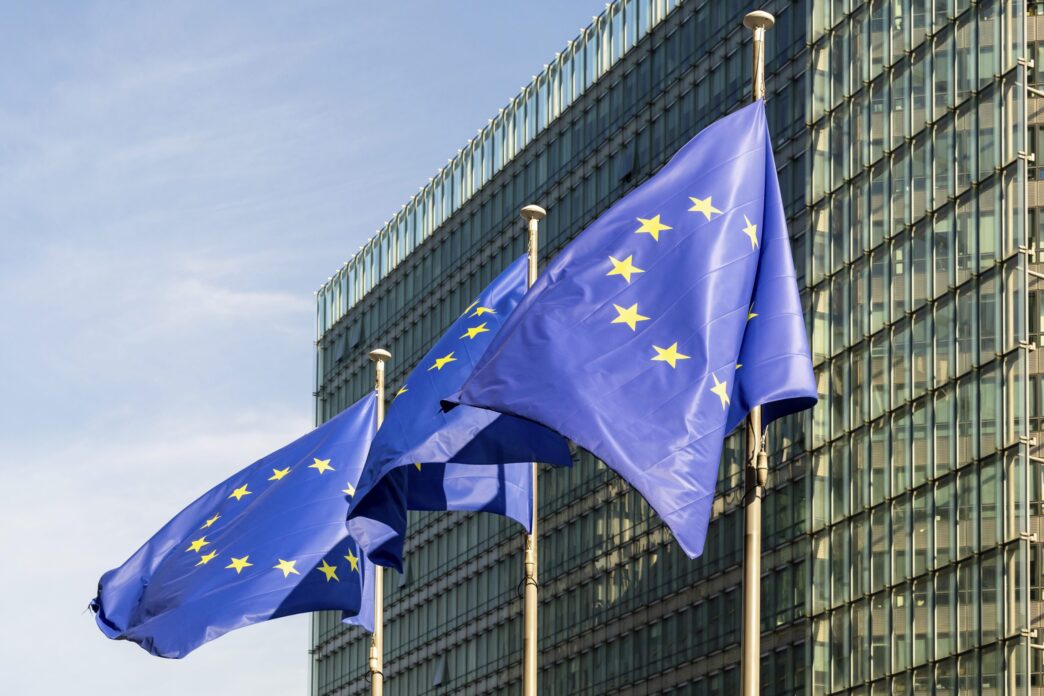
The European Union and the United Kingdom have imposed coordinated sanctions on Russia over a series of cyber attacks targeting European countries, accusing Moscow’s Federal Security Service (FSB) and military intelligence operatives of carrying out digital operations to destabilise the region.
The coordinated sanctions come as Western officials warn that Russia has intensified its hybrid warfare campaign against Europe more than four years into the war in Ukraine
The EU announced sanctions against nine individuals and four entities, while the UK added 24 individuals and organisations to its sanctions list in what London described as the first joint cyber sanctions package with Brussels.
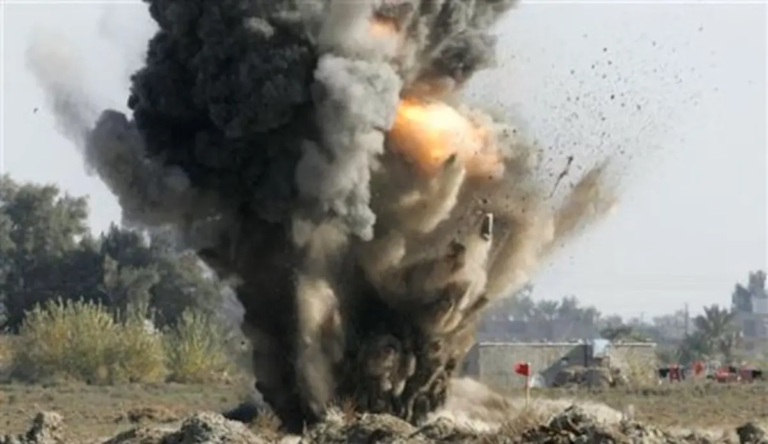
Read More : Three Colombian Troops Killed in Landmine Attack
According to the British government, the measures target Russia’s persistent efforts to sow division and disruption across Europe.
Those sanctioned include officers of Russia’s GRU military intelligence agency and individuals alleged to have carried out cyber operations in coordination with the Russian state.
The EU and the UK also linked Russia’s FSB Centre 16 to a recent attempted cyber attack on critical infrastructure in Poland, including the country’s power grid.
British authorities said the attack was unsuccessful but warned it could have left about 500,000 people without electricity during winter, describing it as another example of Russia’s attempts to create instability across Europe.
“This reckless attack failed but could have caused 500,000 citizens to lose electricity in the depths of winter,” the British foreign office said.
“It is another example of the Russian state’s irresponsible attempts to sow chaos across Europe.”
In response, the EU and several member states said they were summoning Russian diplomatic representatives to formally protest the cyber attacks.
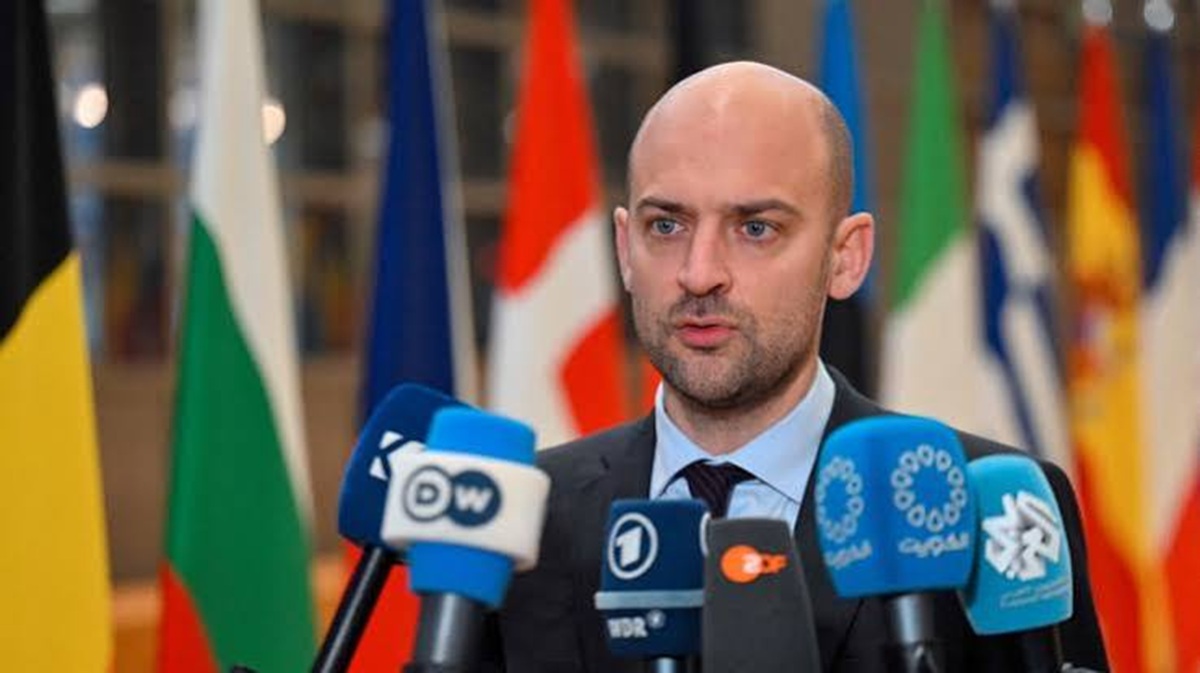
French Foreign Minister Jean-Noel Barrot said the operations had targeted government ministries, companies and public service operators in several European countries, with the objective of stealing information or disrupting infrastructure, including rail networks in Poland.
The French foreign ministry added that among the sanctioned targets was “a group that claimed destabilising actions against the Paris 2024 Olympics.”
The EU said the cyber campaign had targeted several member states over the years, including France, Germany, Poland, Cyprus, the Netherlands, Austria, Slovakia, Romania and Finland.
Western intelligence agencies have long accused the FSB’s Centre 16 of deploying sophisticated malware to infiltrate government and private-sector networks around the world.
Separately, the EU announced additional sanctions against 15 individuals and one entity over alleged serious human rights abuses against Ukrainian prisoners of war and civilian detainees in Russian-controlled areas of Ukraine and inside Russia.
Among those sanctioned was Russian official Dmitry Neelov, who the EU accused of torturing and abusing Ukrainian prisoners at the Olenivka prison in the occupied Donetsk region.