Europe has experienced a dramatic rise in extreme heat events, with scientists warning that record-breaking temperatures are no longer rare occurrences but a growing part of the continent’s climate reality.
From deadly heatwaves sweeping through southern Europe to wildfires destroying forests and threatening communities, countries across the continent are facing a new climate challenge: adapting to summers that are becoming hotter each year.
The European Union’s Copernicus Climate Change Service has repeatedly reported that recent years have been among the warmest ever recorded globally, with Europe warming faster than the global average.
Experts from the Intergovernmental Panel on Climate Change (IPCC) and the World Meteorological Organisation (WMO) say the rise in extreme heat events is largely linked to human-driven climate change caused by increasing greenhouse gas emissions from fossil fuels, industrial activities and deforestation.
The IPCC has warned that human-caused warming is making heatwaves more frequent, longer and more intense, while the WMO has described extreme heat as one of the most visible and dangerous impacts of a changing climate.
A Continent Facing Record Heat
Europe’s changing climate has been marked by a series of record-breaking heat events.
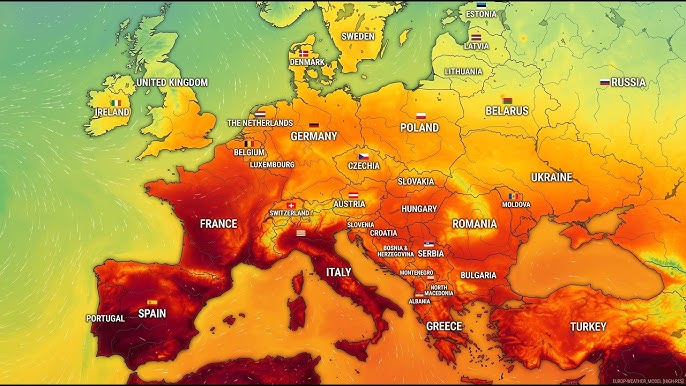
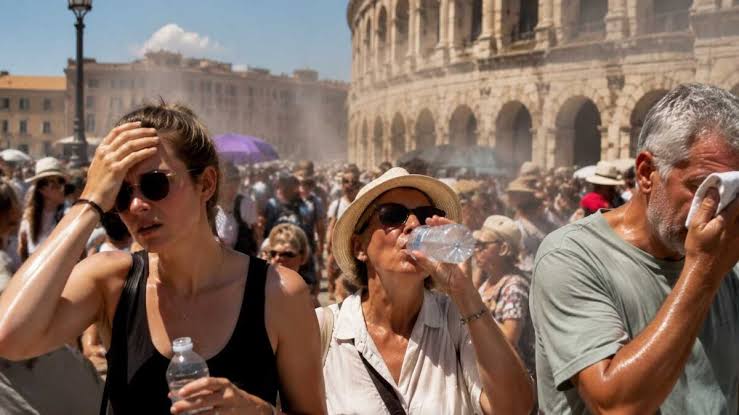
In recent years, countries including Spain, Italy, Greece, France and Portugal have recorded temperatures exceeding 40°C, levels that were once considered unusual but are becoming increasingly common.
The World Meteorological Organisation (WMO) has identified heatwaves as among the deadliest weather-related hazards, particularly because of their impact on human health.
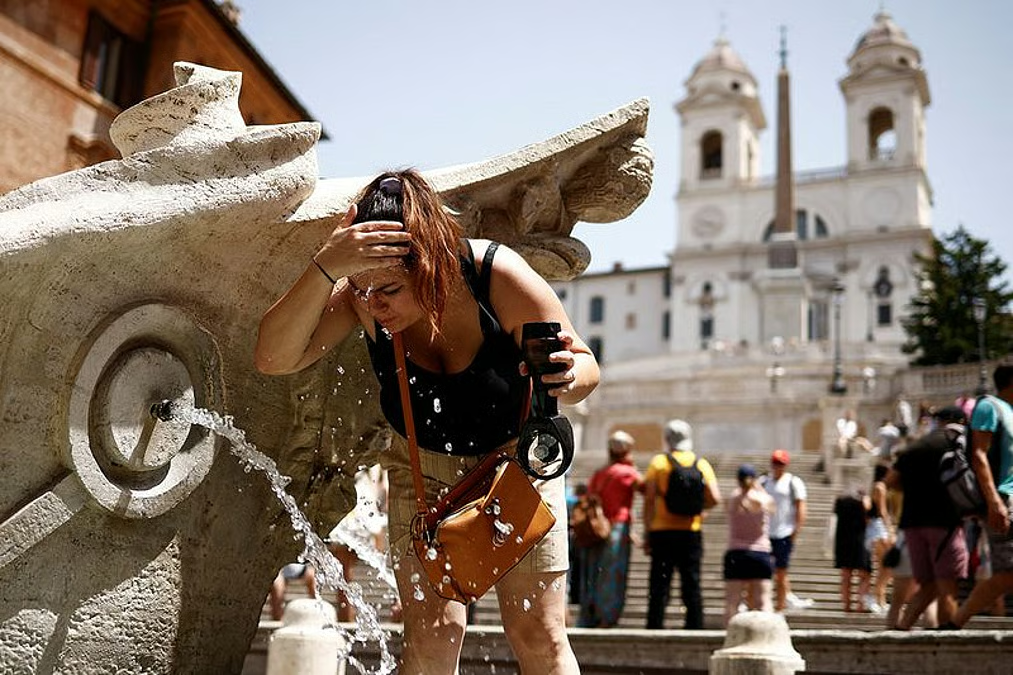
According to the WMO, heat-related deaths have increased in Europe as prolonged periods of high temperatures put pressure on vulnerable groups, including elderly people, children and those with existing health conditions.
The European Environment Agency has also warned that heatwaves are becoming more frequent and intense, creating challenges for public health systems, agriculture, energy supply and water resources.
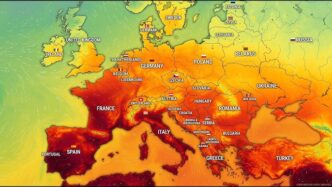
Europe’s Heatwave. Credit: Gulf News.
Why Is Europe Heating Up So Quickly?
Scientists from the European Union’s Copernicus Climate Change Service and the Intergovernmental Panel on Climate Change (IPCC) say several factors are combining to make Europe more vulnerable to extreme heat, including rising global temperatures, changing weather patterns and human-driven greenhouse gas emissions.
Climate Change
The biggest driver is the continued increase in global temperatures caused by greenhouse gas emissions.
According to the IPCC, human activities have already increased global temperatures by about 1.1°C above pre-industrial levels, making extreme weather events, including heatwaves, more frequent and intense.
The Copernicus Climate Change Service has also reported that Europe is warming faster than the global average, with recent years recording some of the highest temperatures ever measured on the continent.
More Frequent Heatwaves
A warmer atmosphere holds more heat energy, creating conditions that allow heatwaves to last longer and become more intense.
The World Meteorological Organisation (WMO) has warned that climate change is increasing the frequency and severity of extreme heat events, turning once-rare temperature records into more common occurrences.
The Urban Heat Effect
Scientists and urban climate experts also point to the urban heat island effect as a factor worsening heat in cities.
Concrete buildings, roads and limited green spaces absorb and retain heat, causing urban areas to remain significantly warmer than surrounding rural locations, especially at night.
The Human Cost of Rising Temperatures
Extreme heat is not only an environmental issue; it is increasingly becoming a public health emergency.
High temperatures can lead to heat exhaustion, dehydration and increased risks for people with heart and respiratory conditions.
During Europe’s 2022 heatwave, thousands of excess deaths were recorded across several countries.
The European Union’s Copernicus Climate Change Service reported that the summer of 2022 was the hottest on record in Europe at the time, with severe drought and wildfires affecting large parts of the continent.
Health experts, including officials from the World Health Organisation (WHO) and the European Environment Agency (EEA), have warned that without stronger adaptation measures, heat-related illnesses and deaths could continue to rise as temperatures increase across Europe.
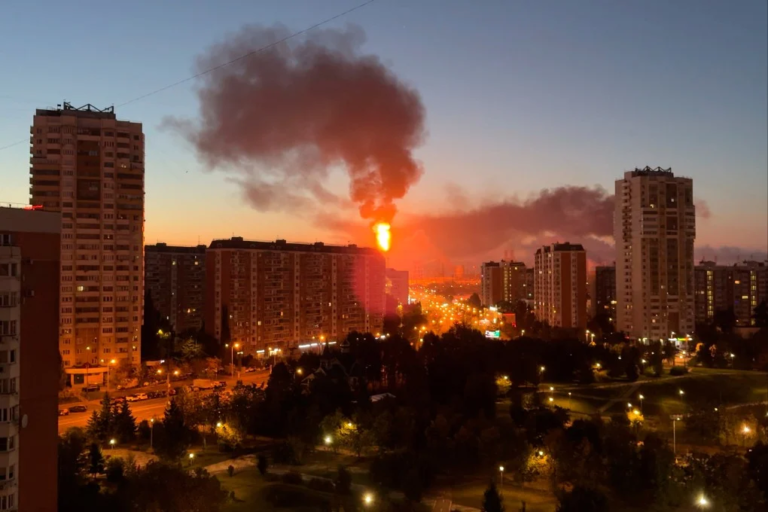
Heatwave causes wildfire. Credit: POLITICO.
Wildfires, Drought and Food Security Threats
Extreme heat has also transformed Europe’s landscape.
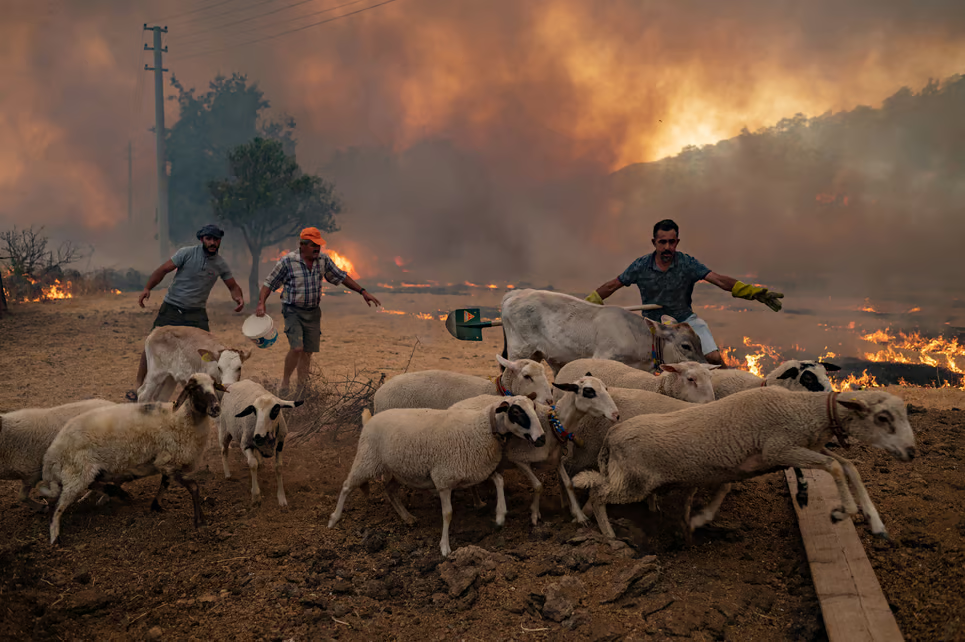
Hotter and drier conditions have created ideal environments for wildfires, particularly in Mediterranean countries.
Greece, Spain, Italy and Portugal have experienced devastating fires that have destroyed forests, displaced residents and affected tourism.
Farmers are also facing growing challenges as rising temperatures and reduced rainfall affect crop production.
Drought conditions have damaged harvests of key crops, including wheat, olives and grapes, increasing concerns about food prices and agricultural stability.
The European Commission has warned that climate change is putting increasing pressure on Europe’s water supply and farming systems.
Can Europe Adapt to a Hotter Future?
European governments are investing in measures to reduce the impact of extreme heat.
Cities are planting more trees, creating cooling shelters and improving warning systems to protect residents during heatwaves.
The European Union has also introduced climate policies targeted at reducing emissions and reaching climate neutrality by 2050.
However, scientists from the IPCC say adaptation alone will not be enough to address the growing risks of extreme heat.
They stress that reducing greenhouse gas emissions remains critical to limiting future temperature increases and avoiding more severe climate impacts.
European Heatwave. Credit: The New York Times.
A New Reality Europe Must Prepare For
Extreme heat is no longer just a seasonal inconvenience in Europe.
It is becoming a defining challenge of the continent’s future.
As temperatures continue to rise, governments, businesses and communities are being forced to rethink how they live, work and prepare for a warmer world.
For millions of Europeans, the question is no longer whether extreme heat will arrive but how prepared they will be when it does.
Deborah Akwa is a content writer with over four years of experience creating brand stories, editorial content, and audience-focused articles on topics like health, lifestyle, and entertainment.
When she isn't writing, she is behind the scenes managing editorial operations and helping the content team work better.
She loves using words to connect brands with their audiences. Outside of work, she enjoys watching movies and engaging in thought-provoking conversations.
Weekly roundups. Sharp analysis. Zero noise. The NewsCentral TV Newsletter delivers the headlines that matter—straight to your inbox, keeping you updated regularly.
 Trending