Trending
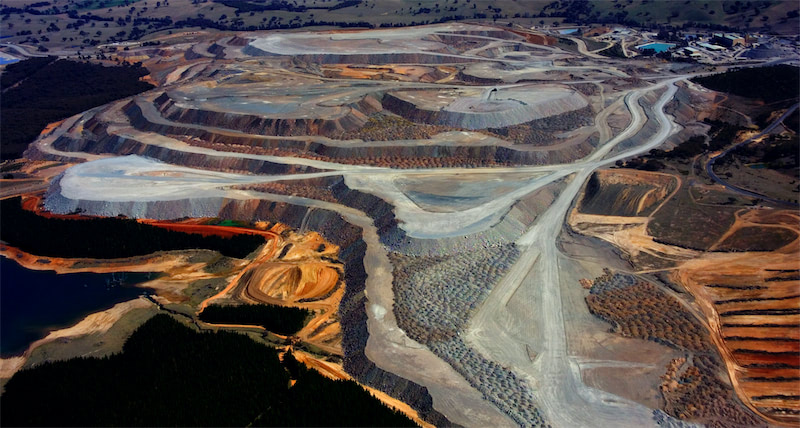
The Democratic Republic of Congo (DRC) has banned the export of copper and cobalt concentrates, marking a major shift in its mining policy as the government pushes to expand local mineral processing and retain more value from its vast natural resources.
The new directive, contained in a government order reviewed by Reuters on Thursday, took effect immediately.
The order, dated June 29, was signed by Mines Minister Louis Kabamba Watum, Foreign Trade Minister Julien Paluku Kahongya, and Economy Minister Daniel Mukoko Samba.
Read More : DR Congo Launches Ebola Vaccine Trial
It states that “the export of copper and cobalt concentrates is prohibited.”
The move is part of a broader government strategy to strengthen domestic mineral processing, boost industrialisation and increase revenue from one of the country’s most important economic sectors.
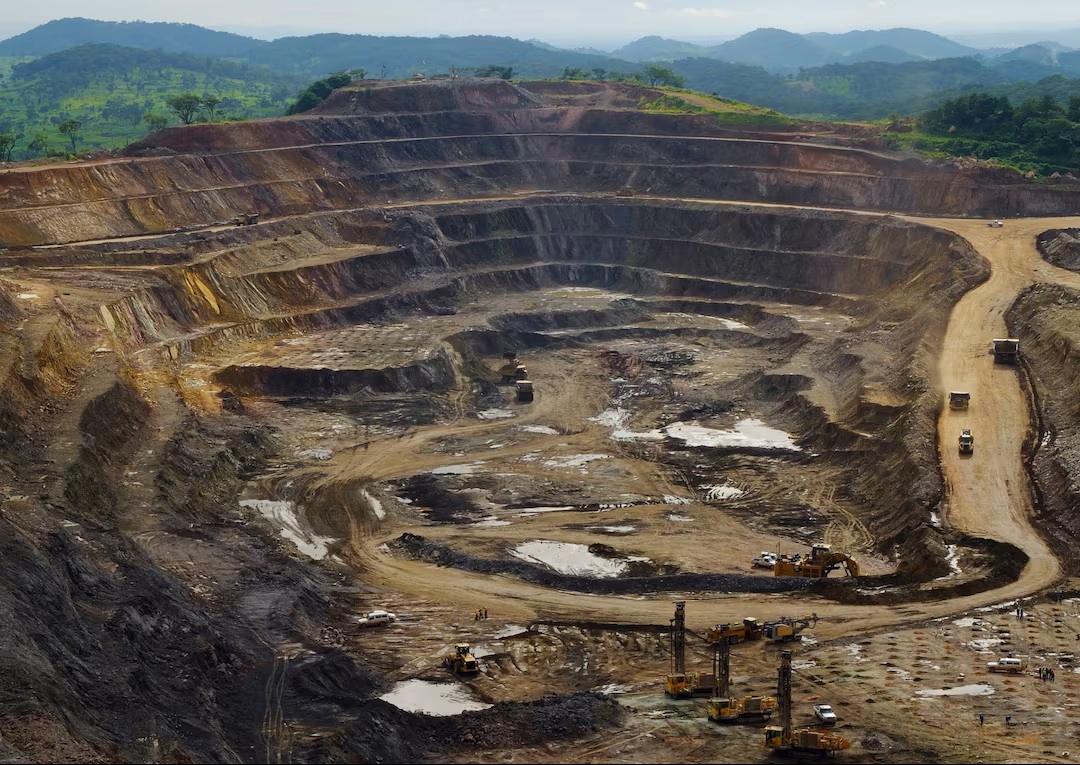
In addition to the export ban, the government has introduced a new tax regime targeting economically significant mining by-products. The measure is aimed at improving state earnings from the mining industry.
While the export ban is already in force, mining companies will have a three-month transition period before the new by-product tax regime is fully implemented.
Read More : MSF Warns DR Congo Ebola Outbreak Spreading
The government, however, left room for limited exemptions. Under the new order, the mines minister may grant one-year export waivers in what it describes as “strategic” circumstances.
The DRC is the world’s largest producer of cobalt and the second-largest supplier of copper, making the policy change one of the most significant recent developments in the global mining industry.
Several of the world’s biggest mining companies operate in the country, including China’s CMOC, the world’s largest cobalt producer, Glencore, Huayou Cobalt, Zijin Mining, Ivanhoe Mines, and Eurasian Resources Group.