DR Congo River Fishermen Battle Plastic Pollution Crisis
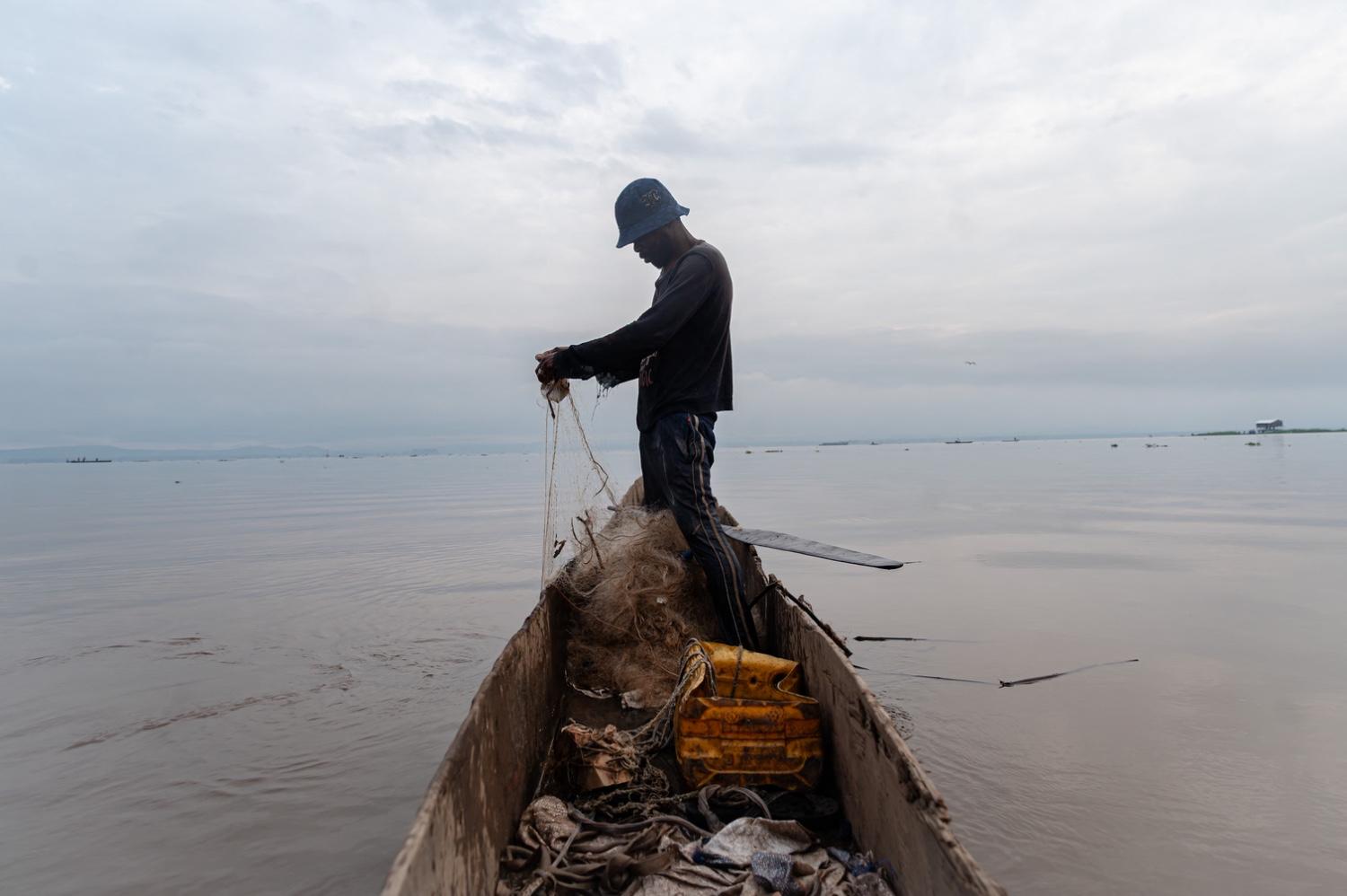
The mighty Congo River, which supports millions of people as it flows through the vast Democratic Republic of Congo, is increasingly overwhelmed by plastic pollution, with fishermen near the capital now reporting more plastic than fish in their nets.
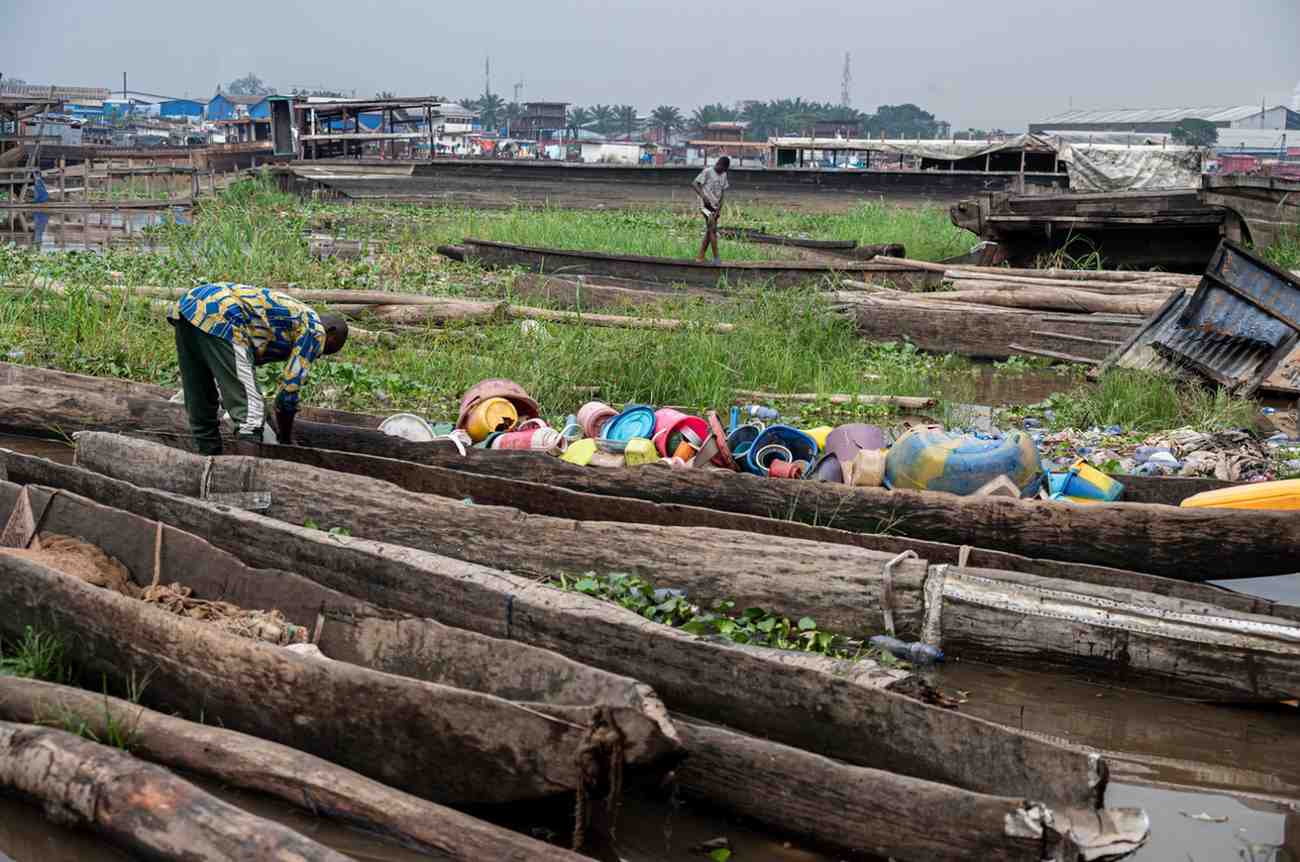
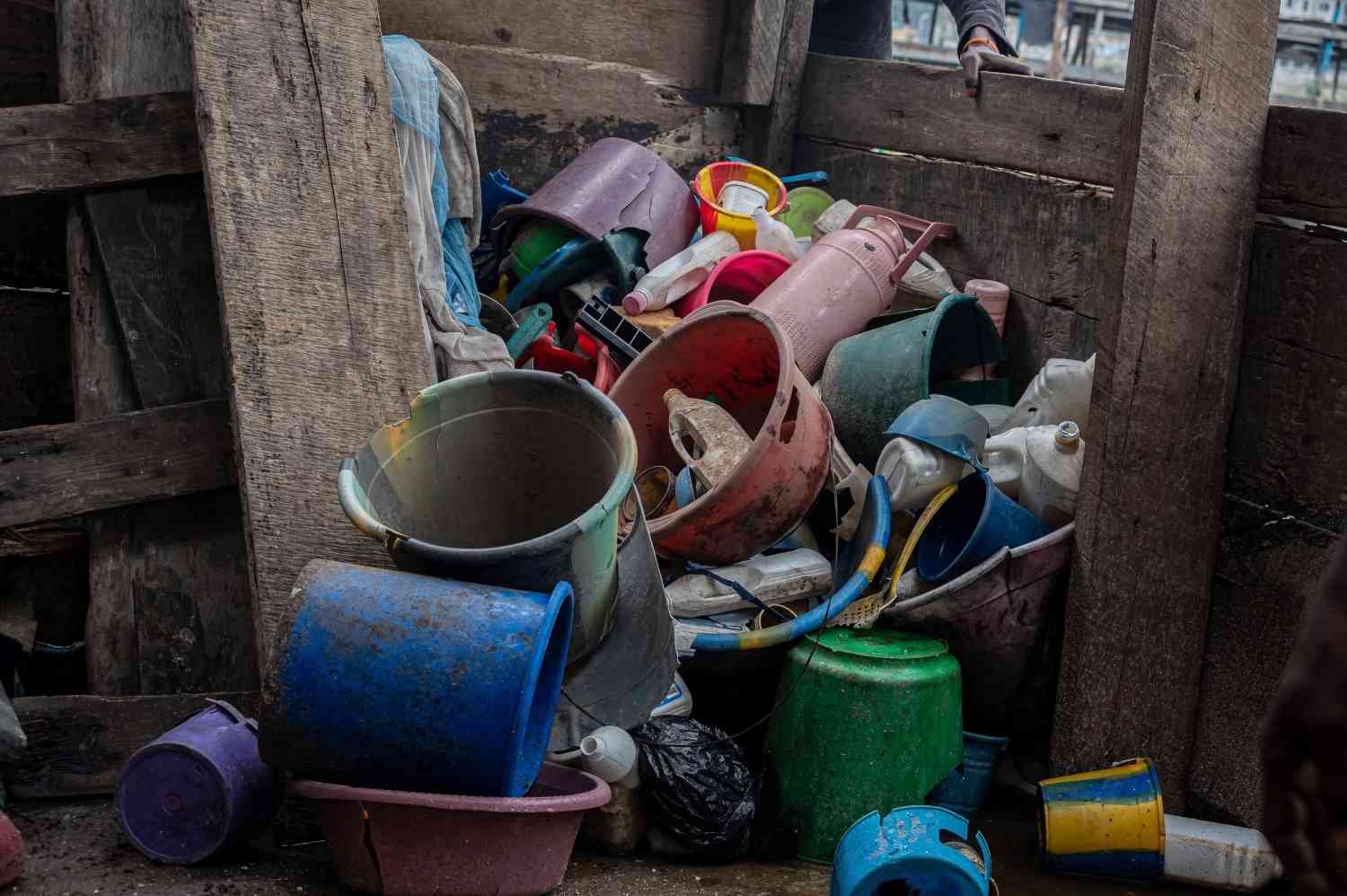
Some fishermen have abandoned fishing entirely, saying it is now more profitable to collect and sell plastic waste retrieved from the river, the world’s second-largest by discharge after the Amazon.
DR Congo River Fishermen Battle Plastic Pollution Crisis
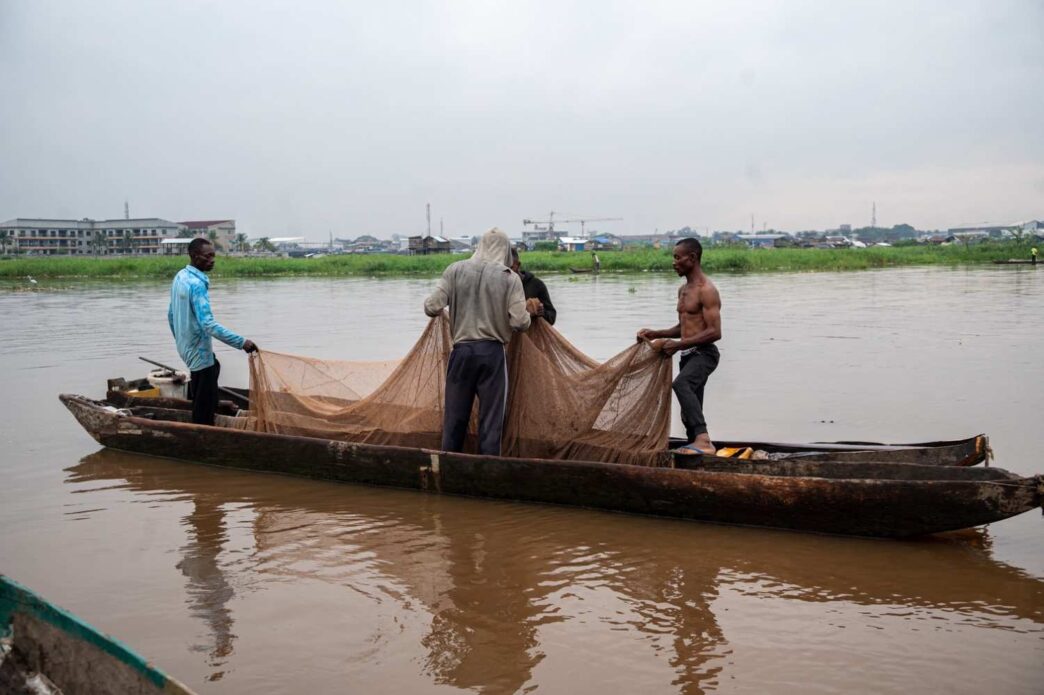
Government data shows that around 60,000 tonnes of fish are harvested annually from the Congo River, which stretches over 4,300 kilometres across central Africa. However, fishermen around Kinshasa say catches have declined sharply in recent years.
“A few years ago, I used to catch big fish like captains and catfish, but because of the pollution, they’ve moved further out to sea,” fisherman Gilby Mwana-Fioti told AFP.
DR Congo River Fishermen Battle Plastic Pollution Crisis
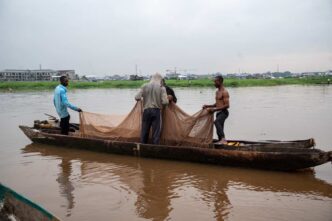
Fishing crews now spend long hours paddling along riverbanks in wooden canoes, often retrieving small fish alongside plastic bottles, used nappies and other waste.
“We’ll end up disappearing,” said Willy Ngepa, who has fished on the river for over 40 years.
Kinshasa, home to more than 17 million people, produces at least 10 tonnes of plastic waste daily, according to environmental experts. Much of it ends up in waterways that drain into the Congo River, worsening pollution and harming aquatic life.
Vincent Kunda, head of Kongo River, an NGO, warned, “Plastic pollution has reached alarming levels,” noting that less than 20 percent of waste is processed in the city.
A 2017 law banning plastic bags and bottles remains largely unenforced, while waste collection services are minimal due to limited funding. Illegal dumping sites are common along waterways.
Further along the river, fishing communities such as Kimpoko still depend on the river for survival, but incomes have fallen drastically.
Fishermen report earning between $10 and $20 per week, down from about $100 a decade ago, forcing many to rely on collecting plastic waste for recycling companies instead.
“It’s a shame it’s come to this, but we have no choice. It’s a way to survive,” said Charles Moluwa Nzeni Masela, 71.
Some residents now collect up to 50 kilograms of plastic weekly, hoping the income will help support their families and fund their children’s education, while others call for government support to access better fishing equipment and move further upstream where fish stocks remain healthier.
Toyibat is a highly motivated Mass Communication major and results-oriented professional with a robust foundation in media, education, and communication. Leveraging years of hands-on experience in journalism, she has honed her ability to craft compelling narratives, conduct thorough research, and deliver accurate and engaging content that resonates with diverse audiences.
Weekly roundups. Sharp analysis. Zero noise. The NewsCentral TV Newsletter delivers the headlines that matter—straight to your inbox, keeping you updated regularly.
 Trending