Trending
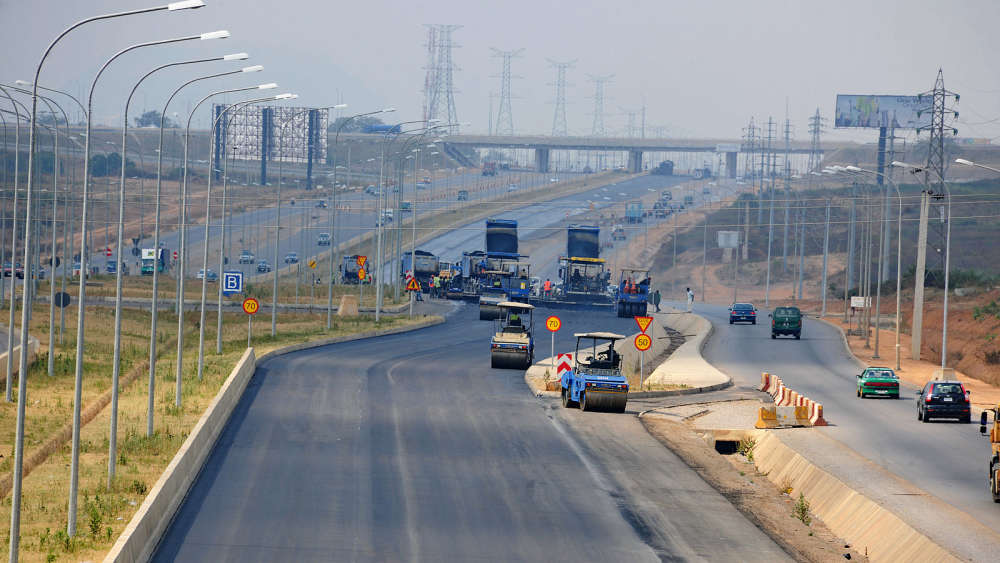
Roads and bridges being built across the country will last at least 100 years, justifying the government’s borrowing, the Minister of Works, David Umahi, has said.
Speaking on Wednesday during an inspection of the Abakaliki-Afikpo highway in Ebonyi State, Umahi responded to critics questioning why the government takes loans.
“We are borrowing because of things we do on our roads and bridges,” Umahi said.
“The good thing is that when we borrow and we invest in infrastructure, we rebuild that road for the next 100 years.”
He urged Nigerians to help explain to sceptics that borrowing is necessary for long-term development.
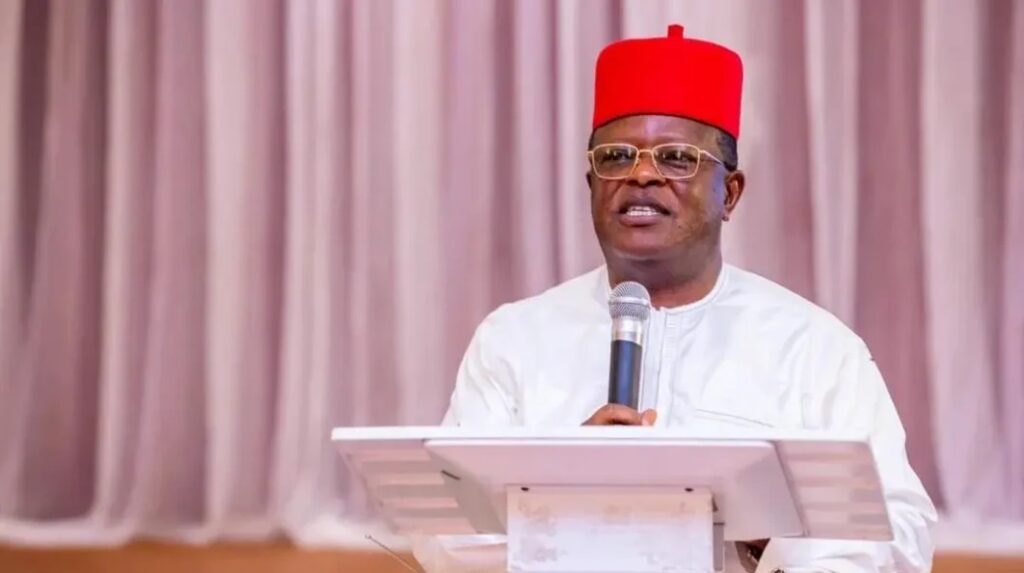
“So when people ask why we’re borrowing, tell them this story, that we have to borrow to build infrastructure. And you can see that what we are doing on the road is like building a bridge. So for the next 100 years, we will not have to think about doing anything on such projects that the president is doing.”
Umahi also provided updates on the Calabar to Abuja highway, which runs through Benue, Kogi and Nasarawa and ends at Apo in Abuja, covering 465 kilometres.
Now, at the end of this section one of the Calabar to Benue, Kogi-Nasarawa to Apo in Abuja, which is 465 kilometers. We have started section two. This section two is 178 kilometers and it’s running from, the boundary between Benue, going through Benue and it passes through Kogi, passing through Nasarawa and it ends at Owete Bridge, 178 kilometers, N685 billion, single carriageway.”
He said the government is now procuring a second carriageway totaling about 295 kilometres, with Infouest as the contractor.
“However, we are now procuring the second carriageway, which is a total of about 295 kilometers. So, meaning that from Calaba we are going to have the second carriageway to be like the other three legacy projects of the President.“