Trending

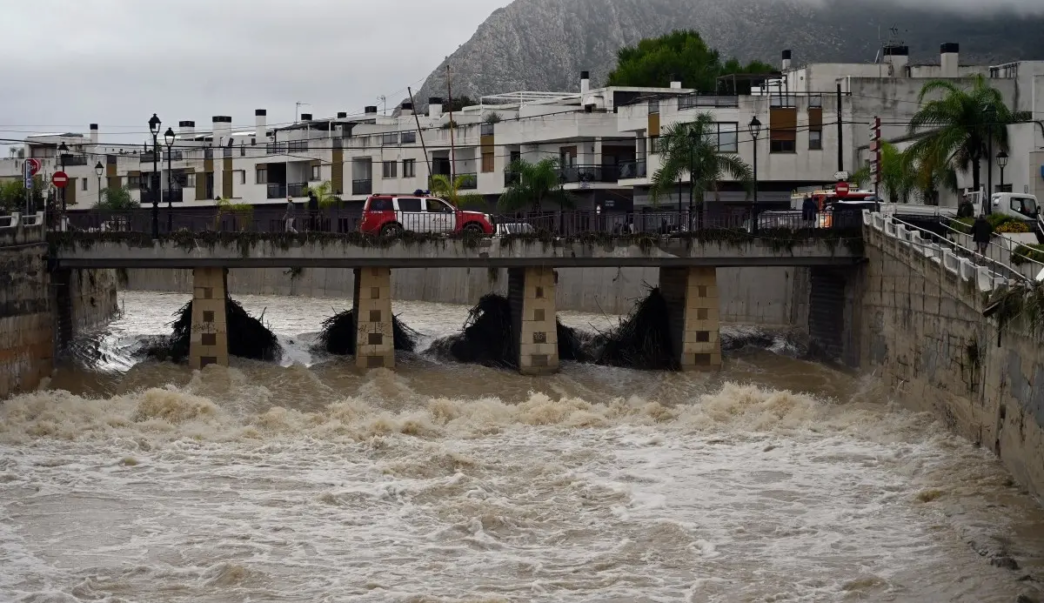
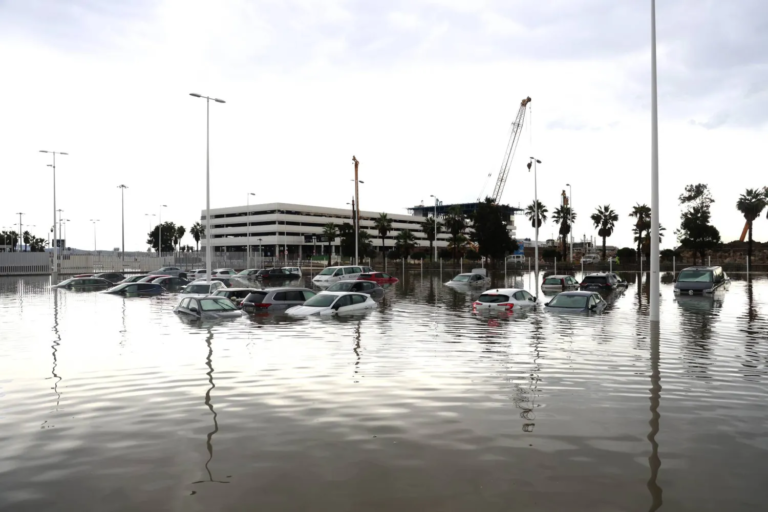
At least four people have died after torrential rain triggered severe flooding across eastern Spain, submerging roads, sweeping away vehicles and forcing residents to remain indoors, authorities said on Monday.
Parts of the Mediterranean coast were particularly affected, with some areas of the Valencia region recording up to 700 litres of rainfall per square metre within 24 hours.
Floodwaters inundated streets, stranded residents and swept away parked cars, prompting emergency crews to conduct air and ground rescues.
Valencia regional president Juan Francisco Perez Llorca confirmed three deaths in the region and urged caution as officials continued to assess the impact of the storms.
“We are talking about three deaths,” Juan Francisco Perez Llorca told reporters.
Two victims were found in the coastal town of Oliva, one of the areas hardest hit by the downpours on Sunday night. They were a 79-year-old woman discovered at her home and a man who suffered a fatal heart attack at a campsite.
A third man drowned on Sunday while swimming at a beach in Sagunto, also in Valencia.
In neighbouring Catalonia, firefighters reported that a woman had died after falling into a stream swollen by heavy rainfall.
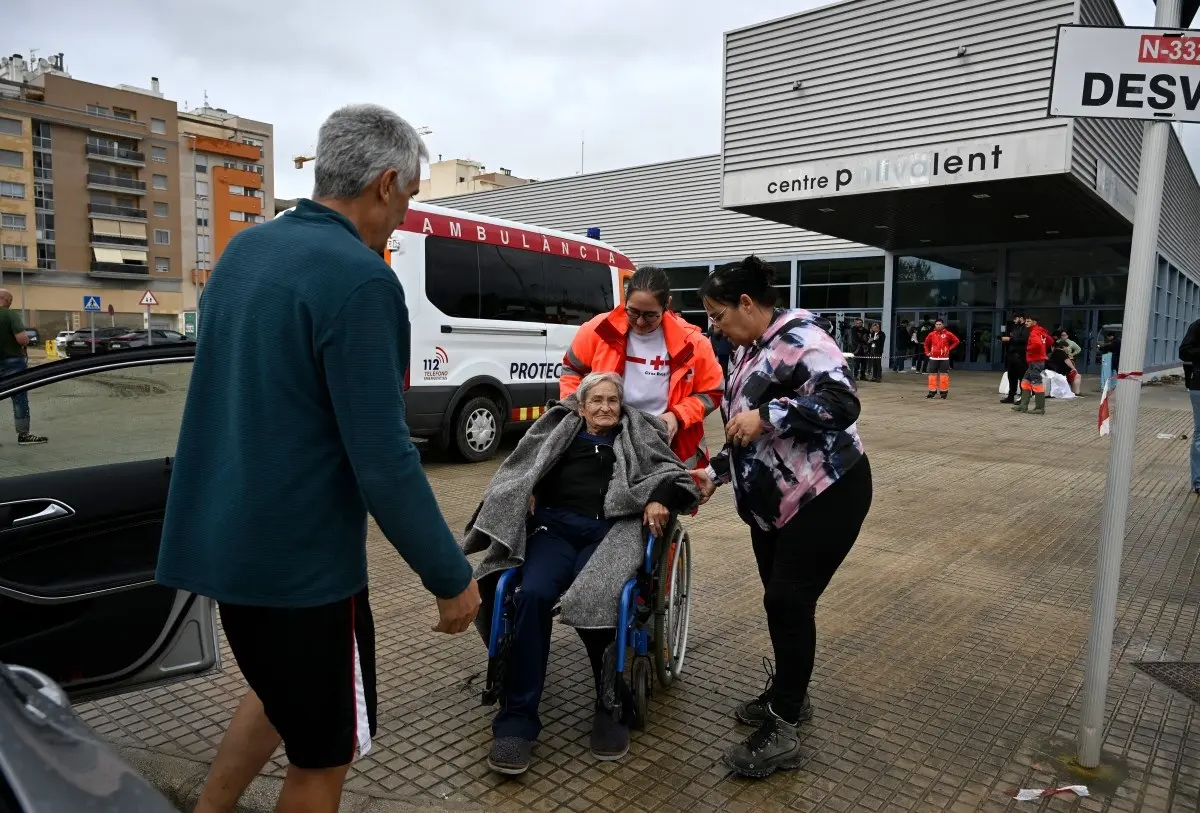
Government representative Pilar Bernabe said security forces carried out more than 400 rescue operations across the Valencia region, using both aircraft and ground teams.
The storms also affected Catalonia and the Balearic Islands, prompting authorities to advise residents in about 100 municipalities to stay indoors for several hours. Most restrictions were lifted by early afternoon as weather conditions improved, the regional government said.
Spain’s Prime Minister Pedro Sanchez said military emergency personnel were supporting rescue and evacuation operations. He pledged the government’s full backing and promised to provide whatever personnel and resources were required.
Scientists have warned that human-driven climate change is intensifying Mediterranean storms that frequently affect eastern Spain during autumn. Warm sea temperatures following the summer increase evaporation, supplying more moisture that can contribute to heavier rainfall.
The flooding comes after Spain’s national weather agency, AEMET, reported that September was the hottest on record for mainland Spain. The country also experienced its warmest summer between June and August.