


 Trending

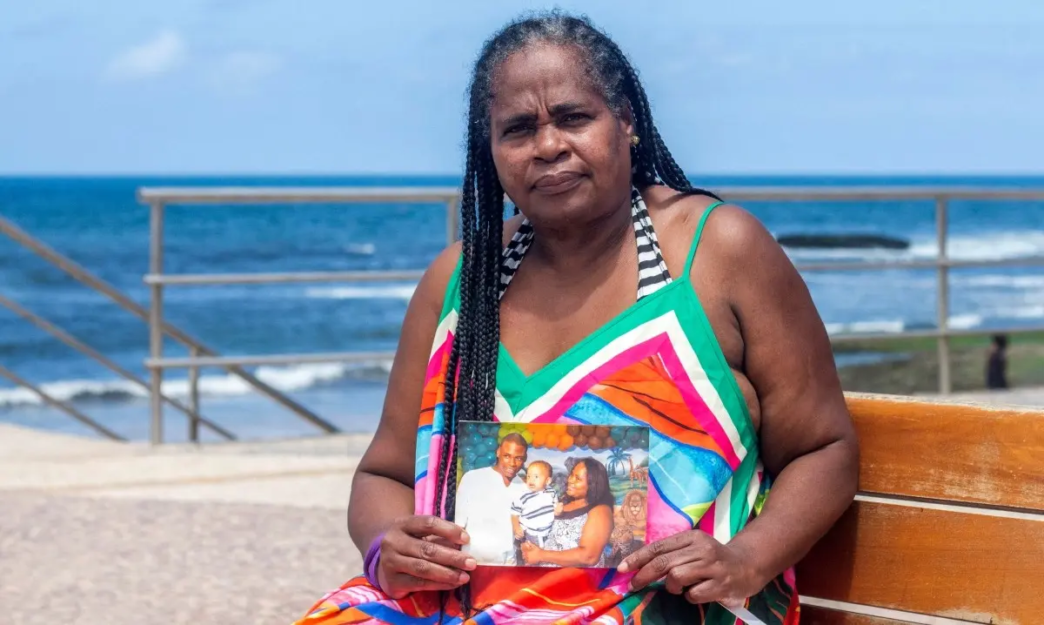
Women in Brazil’s northeastern state of Bahia are demanding accountability for relatives killed during police operations, with many cases remaining unresolved years after the deaths.
Vilma Alves de Oliveira still keeps a photograph of her son, Joao Vitor, taken against the sea near their neighbourhood in Salvador. The 20-year-old pizza maker was killed in 2023 after going out for a beer with a friend, his mother said.
Oliveira, 49, said witnesses told her that police officers arrived and opened fire. She accused the authorities of taking her son’s life and said she would continue seeking justice.
Read More : Spain Braces for More Floods
“No mother is prepared to lose a child, much less in this way. My son’s life was taken by the police, the armed wing of the state,” Oliveira said according to reports from AFP.
The killing has left her unable to walk along the street where her son died. She also alleged that surveillance footage disappeared, witnesses withdrew because they feared testifying, and investigators never conducted a ballistic examination.
Oliveira lives in Nordeste de Amaralina, a predominantly Black neighbourhood of about 80,000 people in Salvador. The area is among the locations most affected by police violence in Bahia, where criminal groups also compete for territorial control.
The Brazilian Public Security Yearbook recorded 1,570 deaths during law enforcement operations in Bahia in 2025, the highest number among Brazil’s states.
Few of these cases have advanced to legal proceedings.
Women Lead Justice Campaign
Public security has emerged as a major concern for Brazilian voters ahead of the October 25 presidential runoff between left-wing President Luiz Inacio Lula da Silva and right-wing senator Flavio Bolsonaro.
Bianca Souza, a lawyer with the Odara Institute, which supports families affected by police violence, attributed the killings to structural racism. She said young Black men from disadvantaged urban communities have historically been the main targets of police operations.
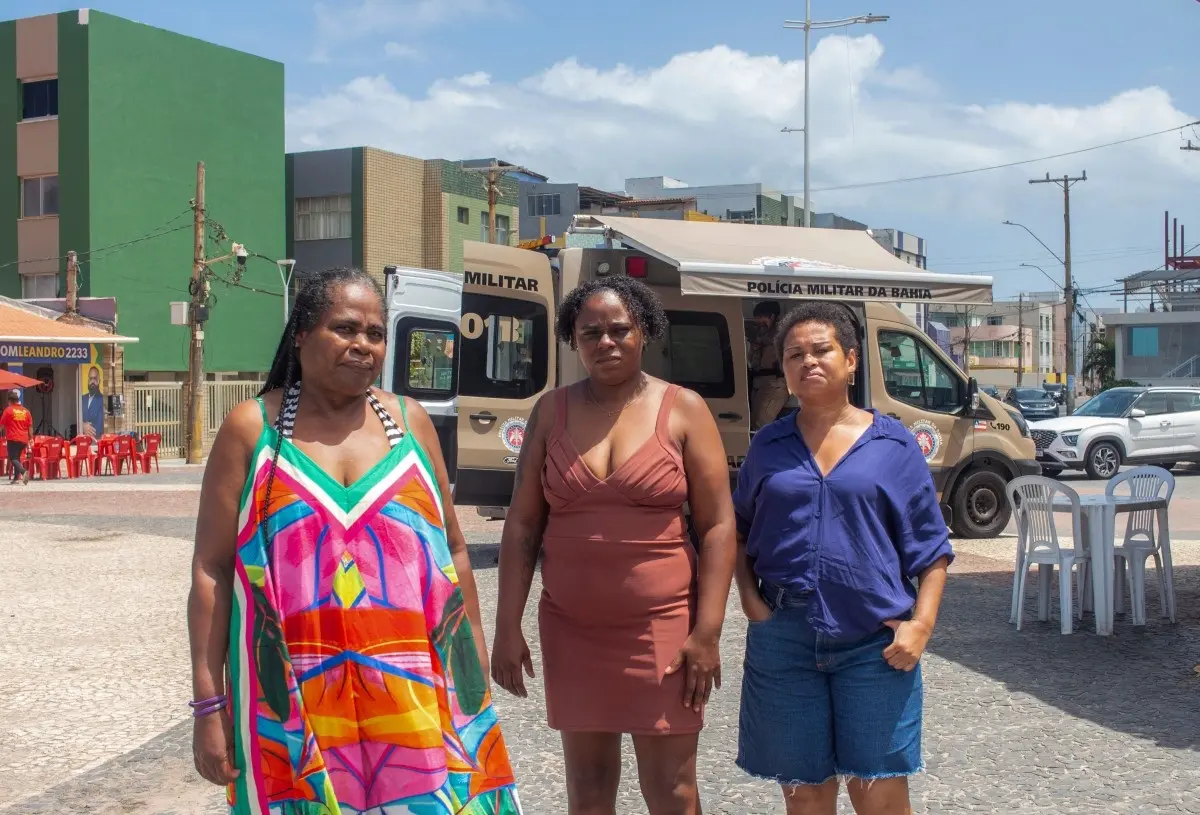
More than 80% of those killed during police operations in 2025 were Black, according to the Brazilian Public Security Yearbook. Most were men aged between 15 and 29.
Souza said women, particularly mothers and wives who lose loved ones, have become central to campaigns demanding accountability and changes to public security policies.
Rita Cassia Souza dos Santos, 59, has waited 13 years for the trial of three police officers accused of killing her only son, Carlos Alberto, in 2013. He was 21 at the time.
She alleged that officers tried to associate her son with drug trafficking to justify his death.
The Bahia military police did not respond to requests for comment from AFP.
The state’s public security secretariat has announced plans to introduce 1,300 body-worn cameras to monitor officers’ conduct. However, it confirmed that victims of fatal police violence do not receive social assistance from the department.
Families Push for Support
The campaigns led by mothers and wives have helped advance the proposed “Ana Luiza” bill in Bahia. The legislation seeks to provide medical, financial and psychological assistance to people affected by police operations.
It is named after a 19-year-old woman killed during a police operation in Salvador in 2025.
Elisangela Souza Santos, 37, said she was pregnant when police entered her home and killed her 29-year-old husband, Marivaldo. She said the experience had left her more fearful of the police than of drug traffickers.
The presidential candidates have offered contrasting approaches to tackling insecurity.
Lula, whose Workers’ Party has governed Bahia for two decades, has promised to establish a public security ministry and weaken criminal organisations by targeting their finances.
Flavio Bolsonaro has proposed expanding prison capacity and argued that El Salvador President Nayib Bukele’s controversial mass-incarceration approach to gang members would not be sufficiently tough for Brazil.
Read More : Iran Reports Tanker Fire in Hormuz
Souza Santos expressed little confidence in either political camp but warned that a Flavio Bolsonaro presidency could worsen conditions for vulnerable communities, recalling the 2019-2022 administration of his father, former president Jair Bolsonaro.
She summed up her position as believing that the situation under Lula was bad, but would be considerably worse without him.
“Bad with Lula, much worse without Lula,” she said.