Trending
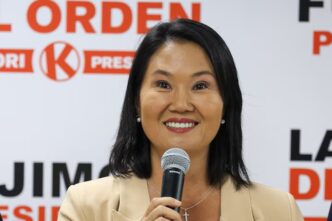
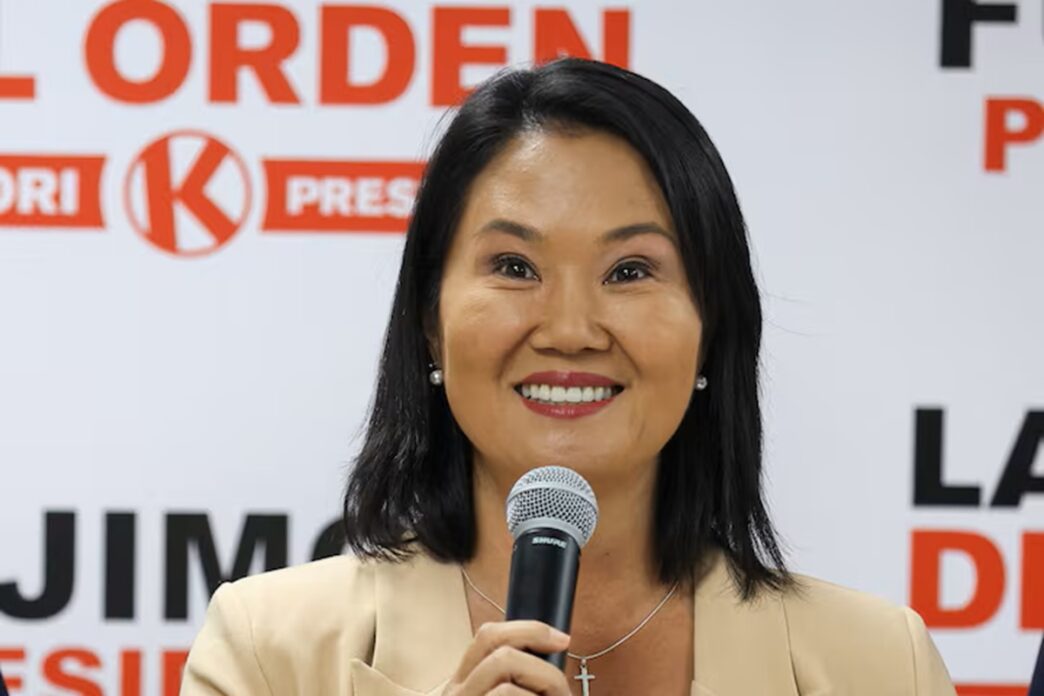
Conservative politician Keiko Fujimori has been declared the winner of Peru’s presidential election, defeating left-wing rival Roberto Sanchez in a closely contested runoff.
Fujimori won the June 7 presidential runoff by the slimmest of margins, outpolling Sanchez by fewer than 50,000 votes out of the more than 18 million ballots cast, the final results showed.
Following her declaration as president-elect on Monday, Fujimori said her administration would focus on restoring order and renewing hope across the country.
Read More : Iran Guards Say Struck Vessel in Hormuz
“Each time we draw closer to starting on the path of order and hope for all Peruvians,” she wrote on X (formerly Twitter).
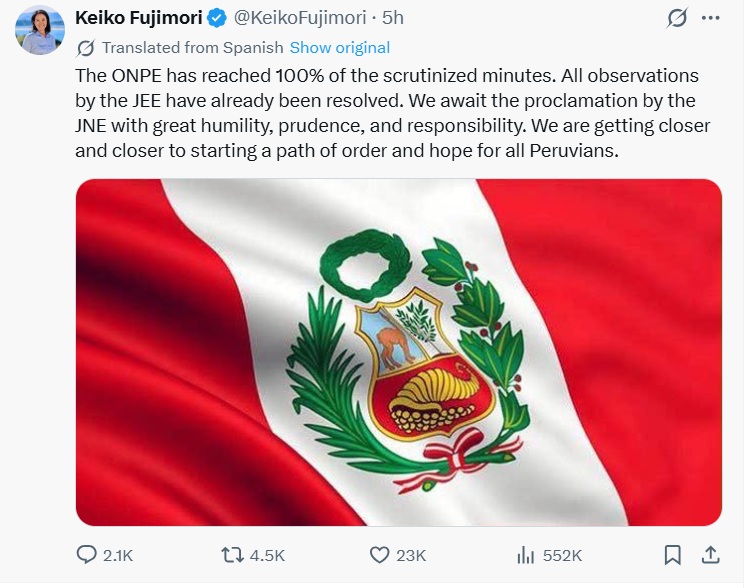
The 51-year-old secured the presidency on her fourth attempt and is scheduled to be sworn in on July 28 for a five-year term.
The election was fought on rising crime and chronic political instability, which has seen the Andean country burn through eight presidents in a decade.
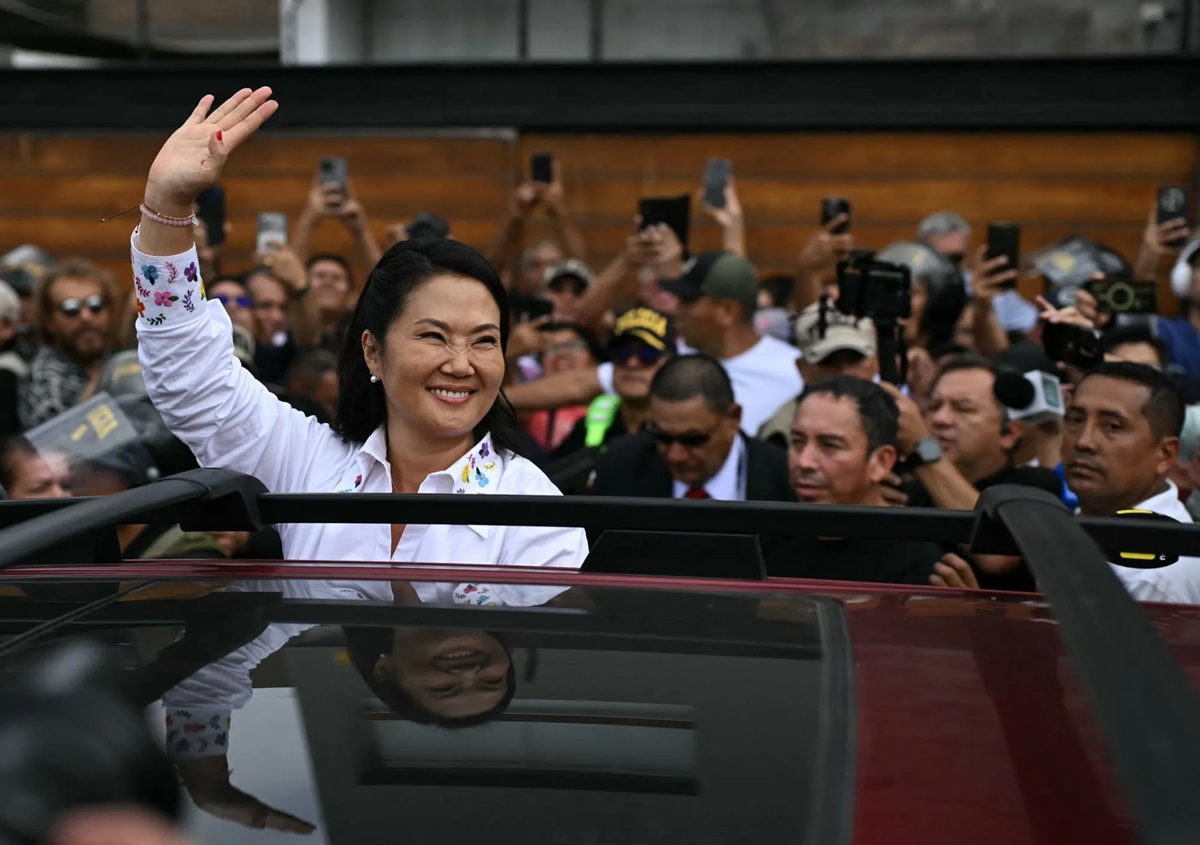
Fujimori campaigned on improving security and pledged a tougher approach to tackling organised crime, drawing comparisons with the policies of her late father, former president Alberto Fujimori.
Alberto Fujimori was credited by supporters with defeating Maoist insurgents and stabilising Peru’s economy, but his presidency later ended in scandal. He was convicted on corruption and crimes against humanity charges linked to anti-terrorism operations.
Sanchez had not publicly responded to the final election results. During the vote-counting process, he briefly held the lead before Fujimori overtook him.
Read More : Hurricane Simon Kills One in Mexico
He had earlier indicated that he would not recognise a government led by Fujimori, alleging irregularities in the handling of overseas ballots.
Keiko Fujimori, who served as Peru‘s first lady at age 19 after her parents separated, studied business administration in the United States before entering politics.
While the Fujimori name has earned her a loyal political base and strong national recognition, it has also remained divisive, with critics linking her party to years of political instability and the legacy of her father’s controversial rule.