Trending
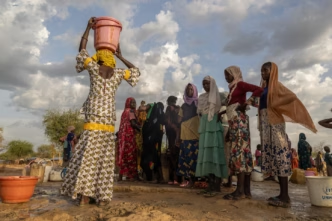
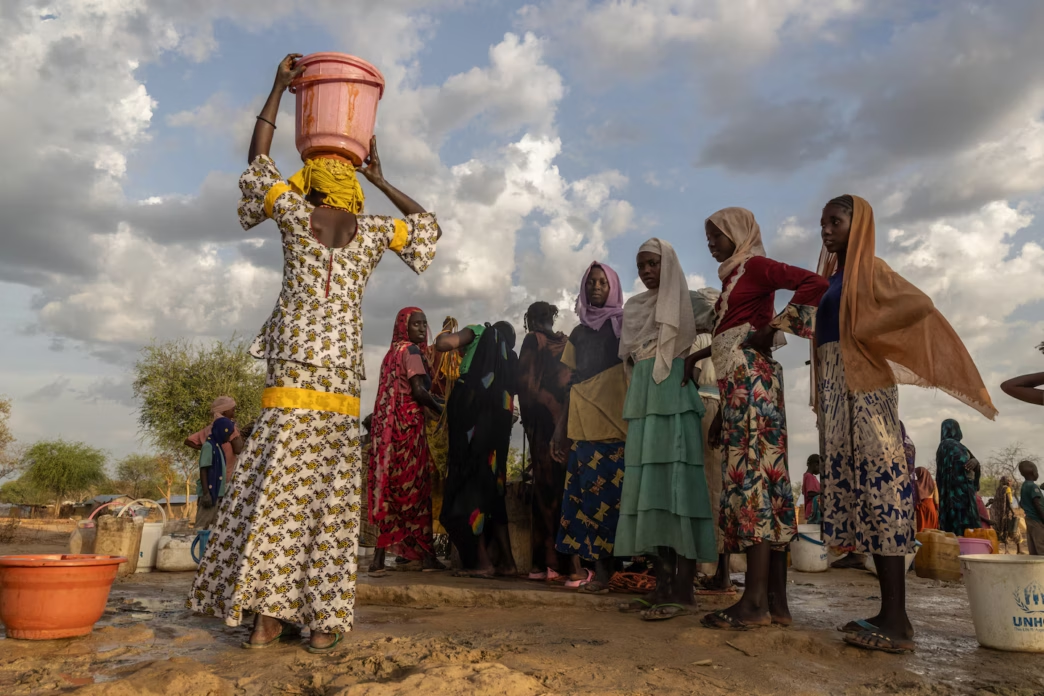
At least one million women and girls worldwide have lost access to critical support since January 2025, according to a new report by UN Women.
The report warns that women and girls are becoming increasingly vulnerable as armed conflicts, worsening humanitarian crises and deep funding cuts undermine the work of women-led organisations providing life-saving assistance.
Based on responses from 855 women-led and women’s rights organisations across 52 crisis- and conflict-affected countries, the report found that the collapse of these organisations is unfolding at a time when humanitarian needs have reached unprecedented levels.
Read More : Brazil Votes in Knife-Edge Runoff
Globally, about 120 million women and girls require humanitarian assistance and protection. Yet, 84 per cent of the organisations surveyed said demand for their services has increased since January 2025.
Despite the growing need, nearly nine in 10 organisations said they could no longer meet current levels of demand, while two in five expected to shut down, either temporarily or permanently, within the next year due to funding shortages.
“The women’s organisations at risk of being shut down are on the frontlines of the world’s most severe humanitarian crises. In countries including Afghanistan, the Democratic Republic of the Congo, and Haiti, they operate where international actors cannot and stay long after global attention has moved on. Every dollar withdrawn from women’s organisations is a dollar withdrawn from survivors of conflict-related sexual violence, displaced mothers, girls forced from school, and communities struggling to survive,” said Sofia Calltorp, UN Women Chief of Humanitarian Action.
The report noted that women-led organisations operating in humanitarian settings are increasingly relying on their own labour, income and wellbeing to keep essential services running, even as many of the women leading these organisations are themselves affected by conflict and displacement.
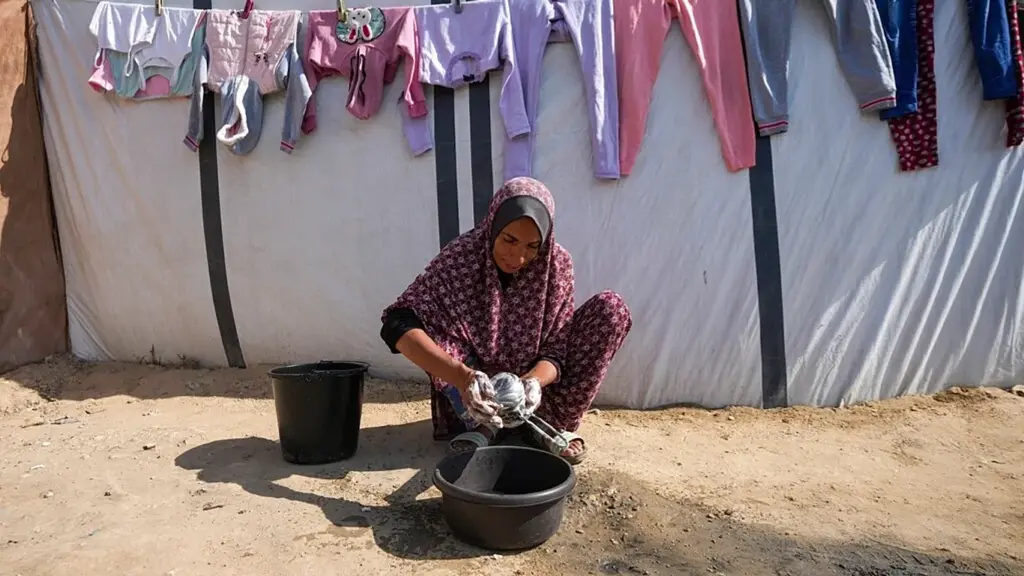
According to the findings, 65 per cent of women-led organisations reported that staff were working without pay to sustain services. As organisations struggle to survive, 48 per cent reported rising staff burnout, while 88 per cent said the mental health of the women and girls they serve is deteriorating.
Funding cuts have also forced half of the organisations surveyed to introduce waiting lists or turn away women and girls in need.
The report further found that 92 per cent of organisations observed rising poverty among the women they support, while 82 per cent reported increasing numbers of girls dropping out of school.
The consequences extend beyond humanitarian assistance.
Eighty-six per cent of organisations said they had recorded an increase in gender-based violence within the communities they serve, while 62 per cent reported that safe spaces for women and girls had either closed or been significantly reduced.
UN Women said the statistics reflect the lived realities of women and girls affected by crises. A woman fleeing violence may arrive at a shelter that has closed, a pregnant woman may have to travel long distances to access healthcare, or a mother may be unable to secure food assistance for her children.
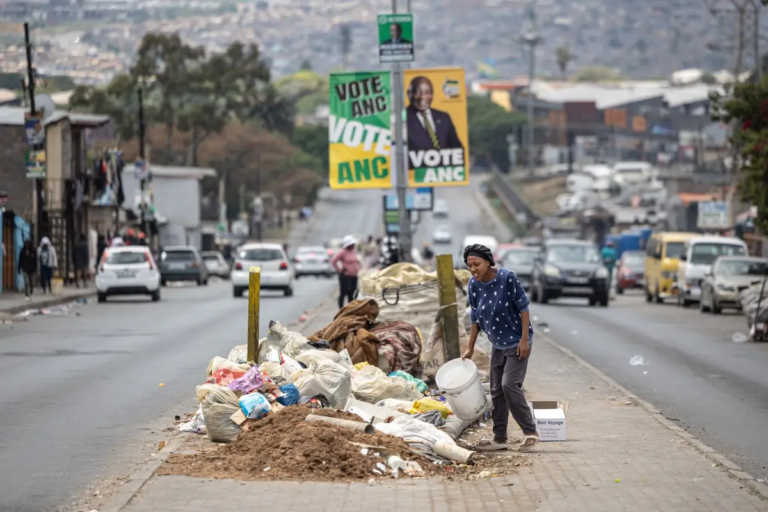
Read More : ANC Faces Voter Backlash Over Municipal Failures
The report also found that women and girls in remote, conflict-affected and hard-to-reach communities are bearing the brunt of the crisis. Nearly two-thirds (63 per cent) of organisations said they had already reduced services in those areas.
UN Women warned that the collapse of women-led organisations is occurring alongside a broader global backlash against women’s rights. One in five organisations reported suspending programmes promoting women’s leadership and gender equality, while more than half observed a decline in women’s participation in community leadership and local decision-making.
The agency called for sustained investment in women-led organisations, describing them as indispensable first responders, defenders of women’s rights and essential partners in peacebuilding and recovery.