Trending

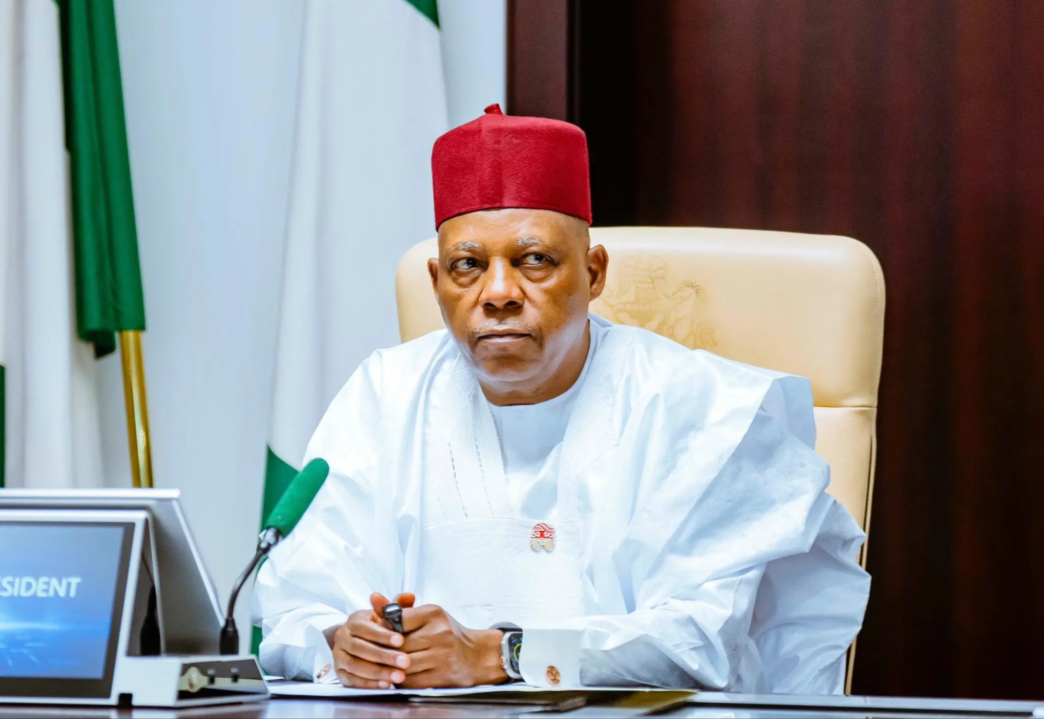
Vice President Kashim Shettima has urged the Government to respond more effectively to Nigerians’ concerns about its economic reforms, stressing the need for transparent communication, measurable progress and greater attention to citizens’ experiences.
Shettima made the appeal on Thursday at The Duke’s Masterclass 2026, held at the Transcorp Hilton in Abuja.
He was represented at the event by his Special Adviser on Economic Affairs, Tope Fasua.
He said the success of the administration’s economic policies depended not only on implementing them but also on demonstrating their benefits and addressing the difficulties Nigerians face.
According to the Vice President, the government must explain its policies clearly, provide credible evidence of progress and remain attentive to public feedback.
Shettima defended President Bola Tinubu’s economic reforms, including the removal of petrol subsidies, foreign exchange market liberalisation, fiscal restructuring and efforts to increase government revenue.
He described the measures as necessary steps to correct longstanding economic problems and strengthen Nigeria’s productive capacity.
He said the reforms were intended to attract investment, restore business confidence, improve the use of public resources and create conditions for sustained economic growth.
However, he cautioned that announcing policies and implementing them would not be enough without efforts to help Nigerians understand their objectives and build confidence in the results.
The Vice President also urged professionals, members of the middle class and other influential Nigerians to recognise the hardships facing ordinary citizens while helping to explain the purpose of the reforms.
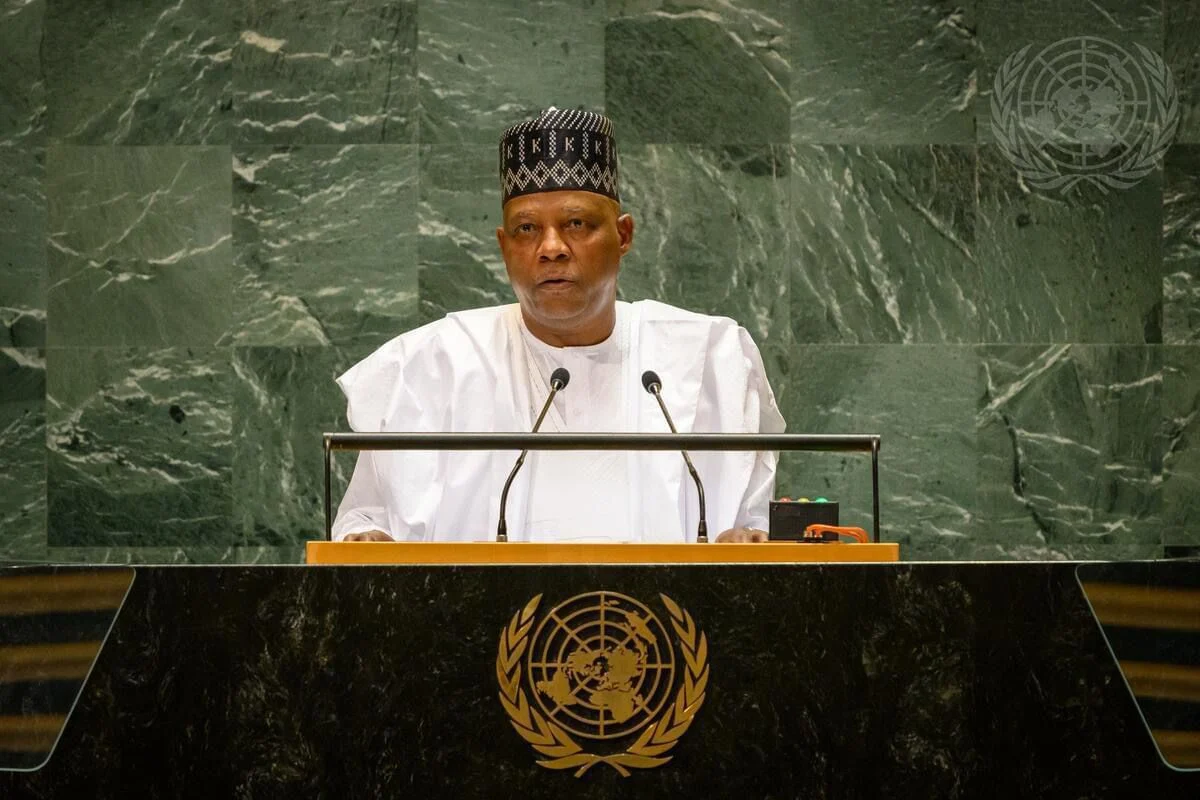
He said they should neither defend every government decision without question nor disregard public concerns, but instead encourage informed discussions about the country’s economic direction.
“Your role is not to defend every government action uncritically, nor to dismiss the concerns of citizens. It is to help create a more informed and constructive national conversation,” he stated.
Shettima advised professionals who engage with traders to acknowledge the pressures on businesses, while those interacting with young graduates should recognise employment difficulties and encourage entrepreneurship and innovation.
He added that constructive criticism and informed public participation were important to good governance and the long-term success of economic policies.
Shettima also emphasised that leaders must be willing to adjust how policies are implemented when evidence or changing economic conditions require it, without necessarily abandoning their broader objectives.
On the growing influence of artificial intelligence and social media, he warned that emerging technologies were making misinformation easier to produce and more difficult to detect, threatening public trust and institutional reputations.
He noted that AI tools could manipulate photographs, clone voices and generate fabricated videos that falsely portray people as having said or done things they never did.
“A photograph can be manipulated, a voice can be cloned, and a video can be fabricated just with a simple prompt on social media to make an individual appear to have said or done something that never happened,” he warned.
The Vice President urged public institutions to verify information, correct false claims openly and communicate through reliable channels.
He stressed that accuracy should take priority over speed.
He also called for stronger digital literacy and responsible use of artificial intelligence.
Addressing economic opportunities, Shettima identified banking, financial technology, oil and gas, agriculture, real estate, construction, commodity exports and the creative industry as sectors with the potential to attract investment and generate employment.
He acknowledged, however, that unreliable electricity, inefficient transportation, insecurity, limited access to finance and weaknesses in education and public institutions continued to constrain economic activity.
He called for increased domestic production, expanded exports and greater support for small businesses, stressing that economic opportunities should also reach women, young people and rural communities.