Trending
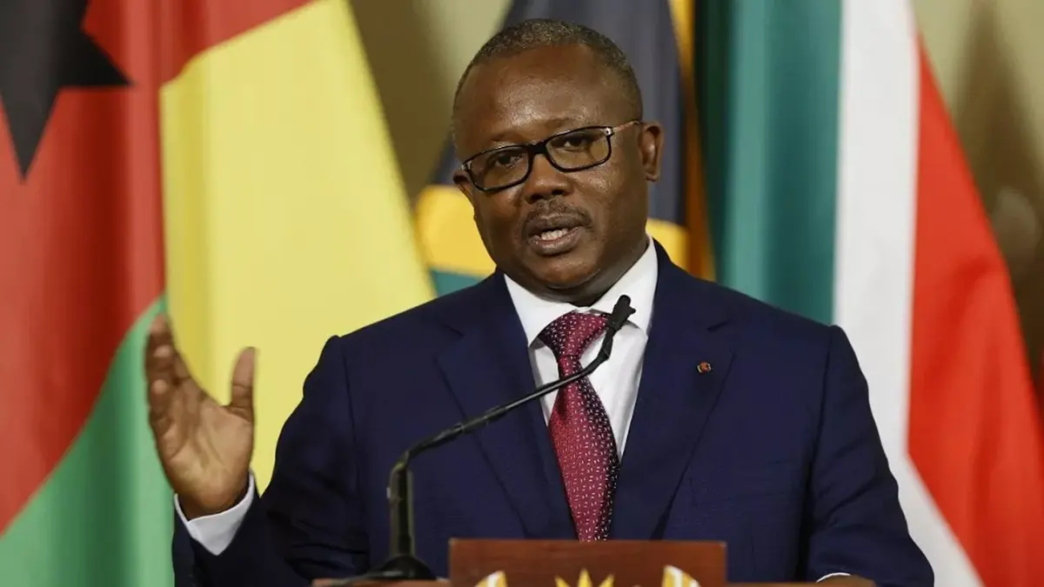
Guinea-Bissau’s junta said Thursday “security conditions” were not right for the return of exiled former president Umaro Sissoco Embalo, who said earlier this week he would return and run for office.
The army seized power in the perennially unstable and poor West African nation just days after a presidential vote last November, overthrowing Embalo and suspending the electoral process.
Embalo had told AFP that he would stand in elections slated for December 6, but the junta on Thursday said it had deemed the conditions not right.
The decision, it said, was “based exclusively on grounds of national security, the preservation of public order, and the prevention of situations likely to compromise social stability and tranquility”.
The junta established under General Horta N’Tam, a close associate of Embalo, has set the upcoming date for the presidential and legislative elections meant to restore civilian rule.
N’Tam who also serves as transitional president, is barred from running for president in the election under the country’s transitional charter.
Activists had posted on social media that they were planning for Embalo’s return on Sunday.
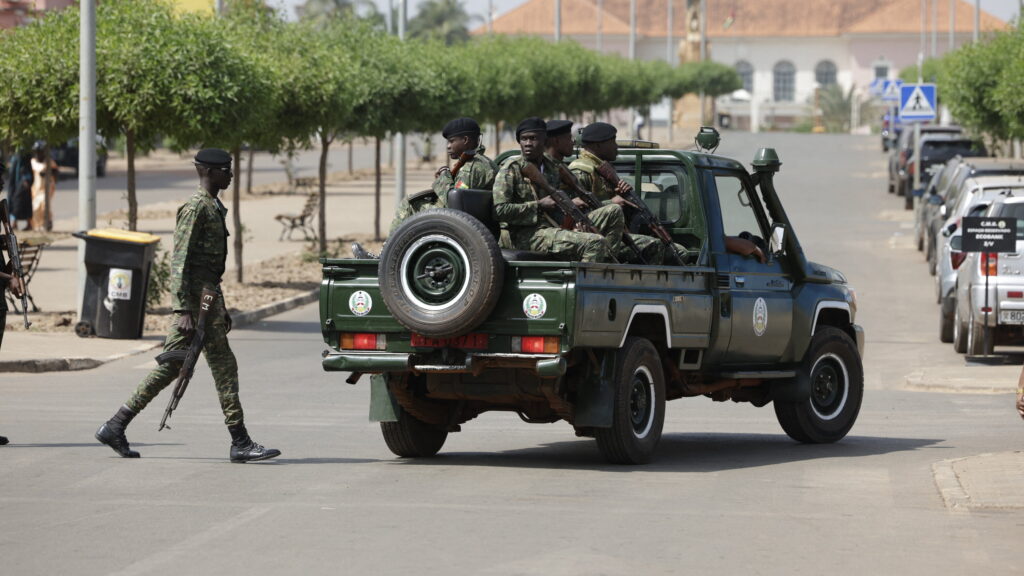
Guinea-Bissau’s capital slowly reopens after the military seized power.
Credit: The New York Times
However, the country’s military high command said in its statement that it had “determined that at this time the necessary security conditions are not met to guarantee the return to national territory” of Embalo.
It added that the decision had been made following “an analysis of the national situation and the current security environment”.
The announcement could have potential repercussions for the electoral timetable.
The junta reiterated Thursday that restrictions on demonstrations, gatherings, and meetings for political purposes — which were implemented after it came to power — remained in place.
On Tuesday, Guinea-Bissau authorities urged calm after reports of unrest within the country’s presidential guard.
Several social media accounts had reported discontent among members of the guard after several troops were reportedly transferred to another army unit.
The Portuguese-speaking country, wedged between Senegal and Guinea, has experienced five coups and numerous attempted putsches since independence from Portugal in 1974.
The nation’s crippling poverty and political chaos have also made it a fertile ground for corruption and drug smuggling.
Many observers suspected Embalo of orchestrating the November 26 coup to halt an election process he appeared to be losing.
The coup occurred one day before provisional results were to be announced.