Trending
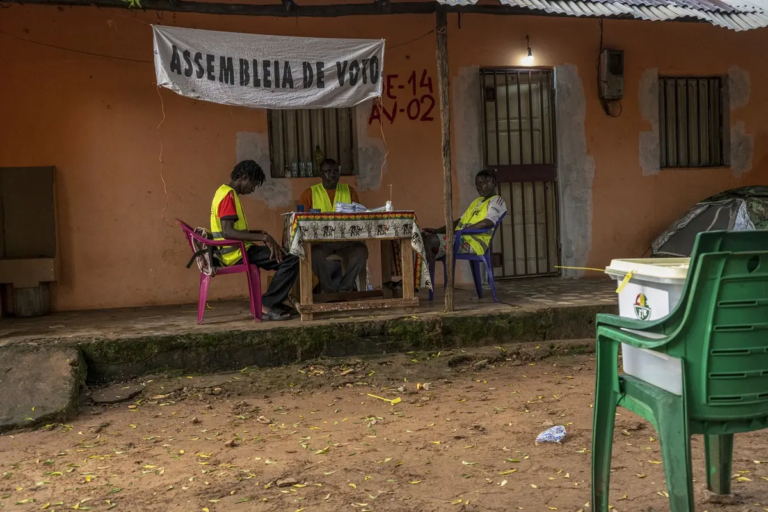
Guinea-Bissau’s electoral commission has validated the final results of the country’s recent constitutional referendum, in which voters backed changes that will give the president greater executive powers.
The referendum, held on August 30, came less than 10 months after the military seized power in a coup in the impoverished Portuguese-speaking West African country.
The vote also took place just months before the December 6 presidential election, which is expected to mark the return of civilian rule.
The National Electoral Commission said late Thursday that the results were now final because no appeals had been filed before the relevant electoral bodies or the Supreme Court.
“As no appeals have been filed with the various commissions, we consider the results of the August 30 vote to be final,” the National Electoral Commission said in a statement.
The commission upheld the previously announced results, which showed that 70 per cent of voters supported the constitutional changes, while 30 per cent rejected them. Turnout was recorded at 63 per cent.
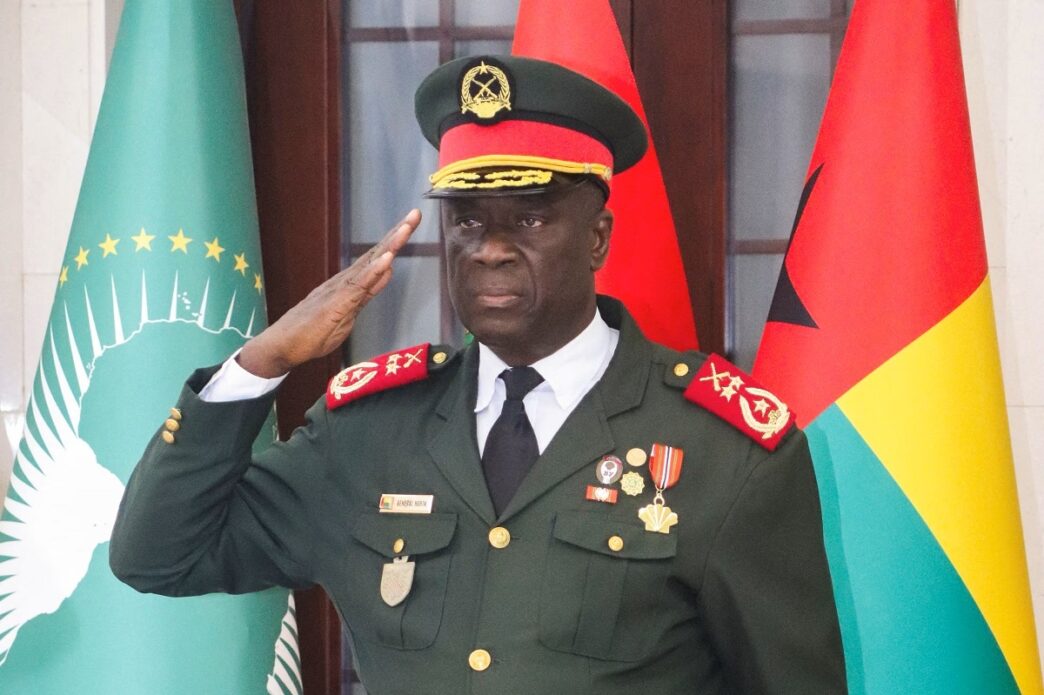
The military junta has said the constitutional overhaul is necessary to strengthen and stabilise state institutions ahead of the December election.
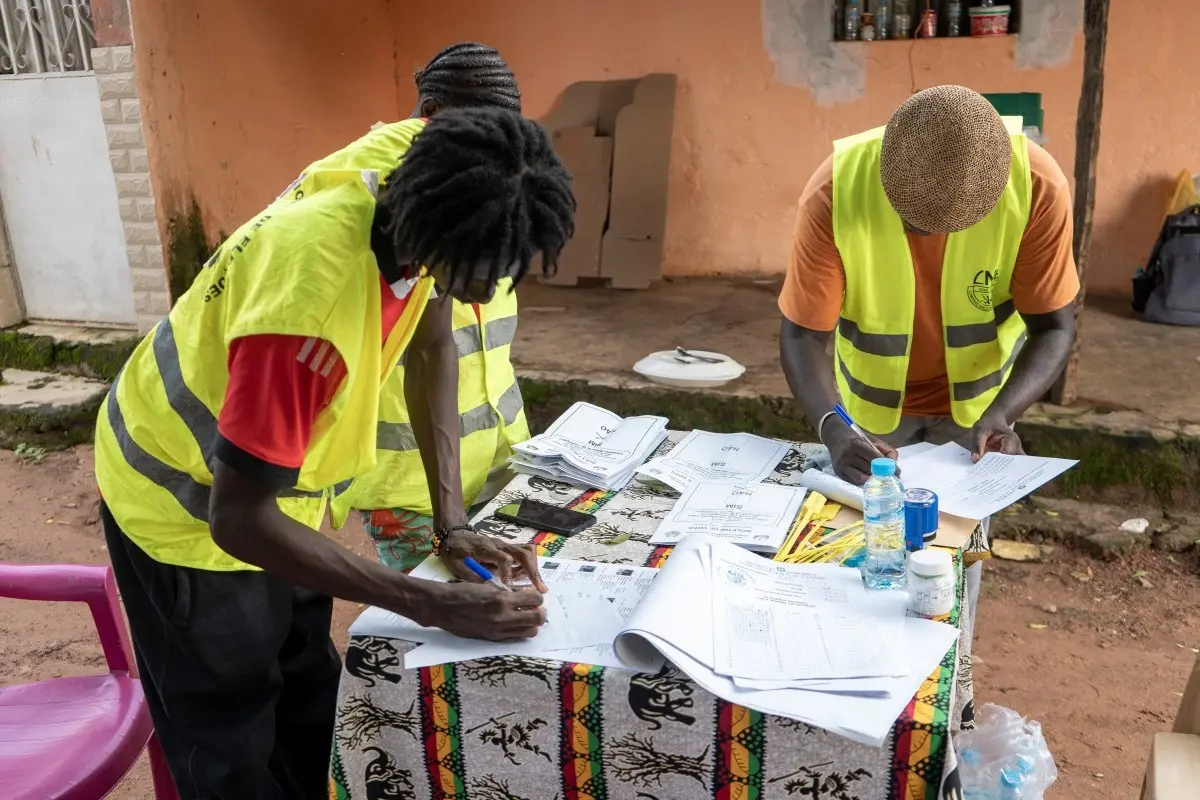
However, the political atmosphere remains tense in the coup-prone coastal nation, with opposition groups calling for a boycott of the referendum over what they described as restrictions on public freedoms.
Under the revised constitution, the country will abandon its previous system in which the prime minister was drawn from the parliamentary majority, a structure that has frequently resulted in difficult power-sharing arrangements.
The new framework will also give the president the authority to appoint and remove the prime minister and members of government, as well as dissolve parliament.
The sweeping changes have faced strong opposition from sections of the political class and civil society, who have criticised the transitional government for pursuing a major constitutional rewrite without an electoral mandate.
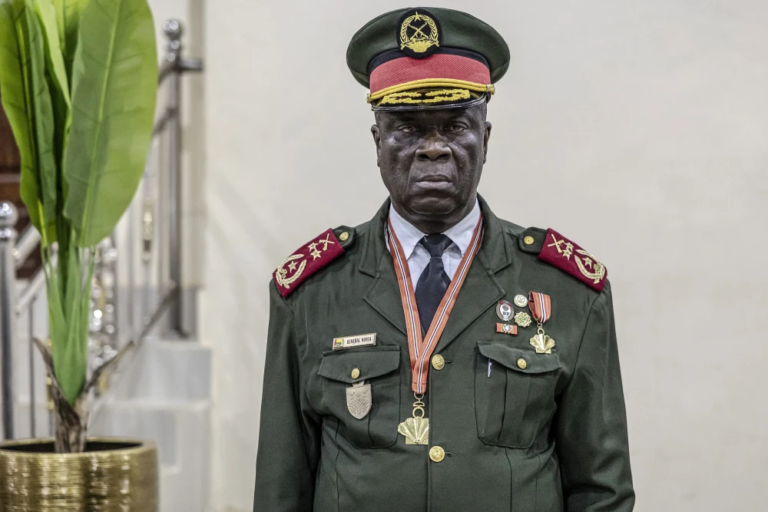
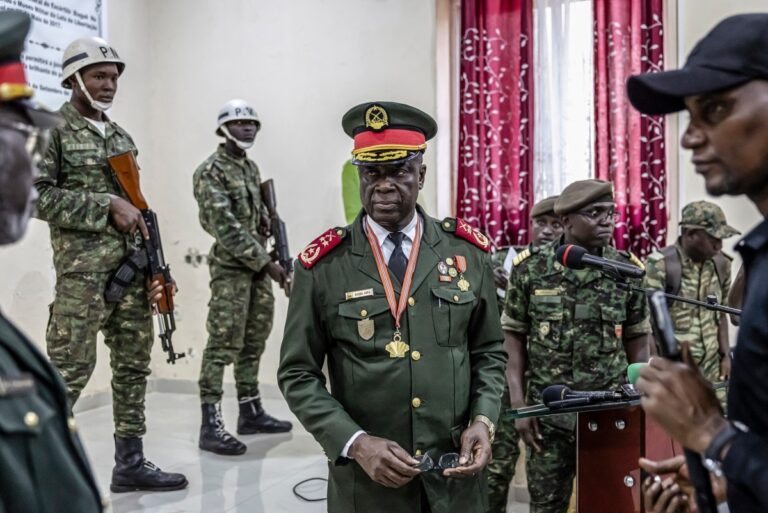
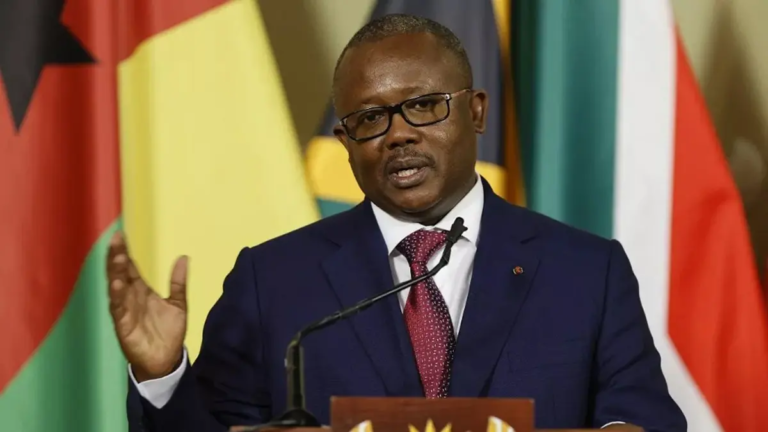
The military took power in Guinea-Bissau in November, days after a presidential election, removing then-President Umaro Sissoco Embalo and suspending the electoral process.
Guinea-Bissau has experienced five coups and several attempted coups since gaining independence in 1974, making it one of West Africa’s most politically unstable countries.