Trending

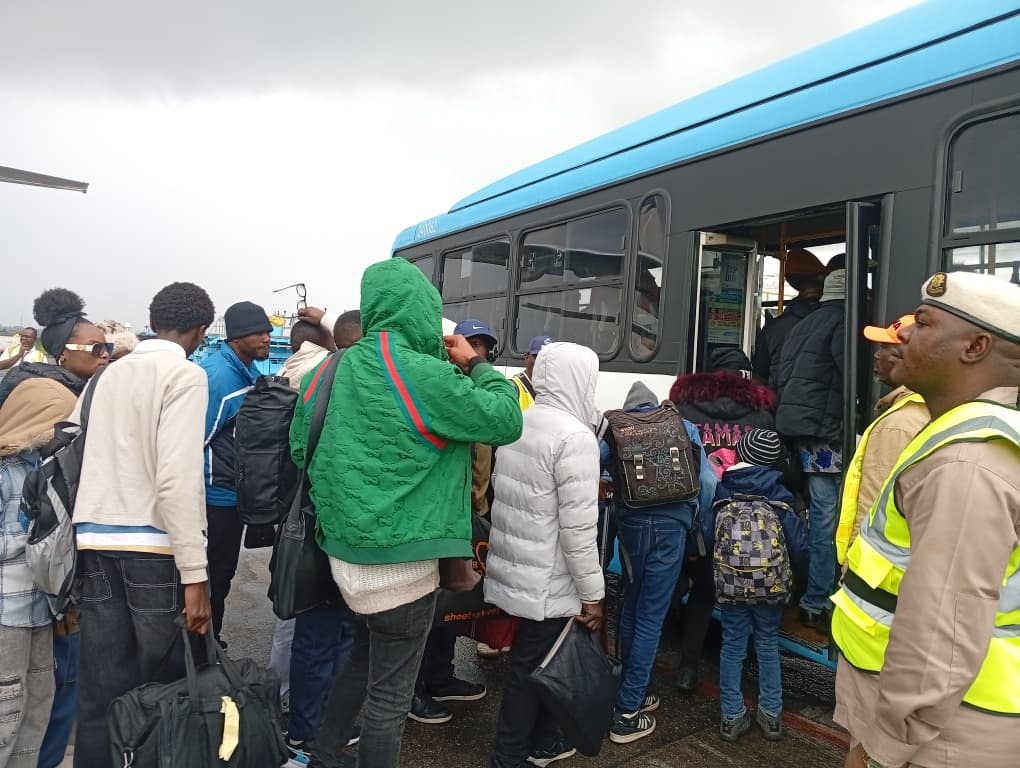
At least 1,429 Nigerians were repatriated from Niger Republic in May 2026, according to new figures from the Mixed Migration Centre (MMC).
The latest Quarterly Mixed Migration Update for West Africa (Q2 2026) shows that the Niger Republic remains a key transit country for Nigerians seeking to reach Europe through Libya and Algeria via irregular migration routes.
The report coincides with Nigeria’s continuous japa trend, as worsening economic conditions push many citizens to seek opportunities overseas via both legal and irregular migration routes.
According to the MMC, the repatriation figures include 1,100 Nigerians who returned by road from the Niger Republic on May 22, 2026, as confirmed by the Nigeria Immigration Service.
Two days later, the National Emergency Management Agency (NEMA) received 329 additional returnees from Agadez, Niger’s main migration hub, bringing the total to 1,429.
The Geneva-based research organisation, which is affiliated with the Danish Refugee Council, said the large-scale returns “highlight the continued presence of stranded migrants in Niger, many of whom face prolonged stays in IOM (International Organization for Migration) centres or urban areas with limited resources.”
Located about 950 kilometres northeast of Niamey, Agadez has long served as the principal staging point for West African migrants heading across the Sahara Desert into Libya or Algeria before attempting sea crossings to Europe.
Despite increasing migration controls, Nigerians continue to feature prominently among those using the Central Mediterranean route. The report recorded 163 Nigerian arrivals in Italy through the route as of May 2026, second only to Mali’s 193 among West African nationalities. However, the figure represents a decline from the 196 Nigerian arrivals recorded during the same period in 2025.
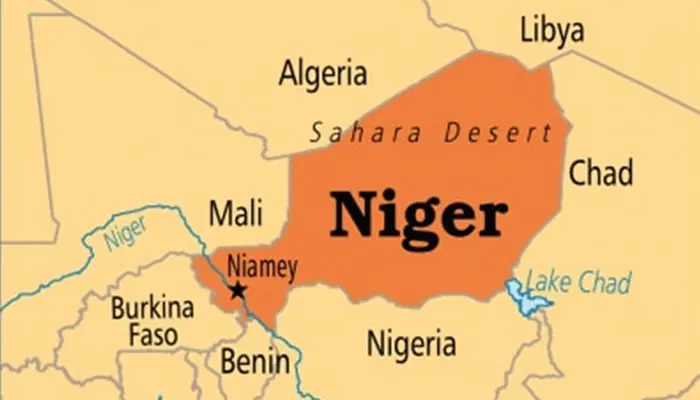
The report also revealed the growing number of migrants caught up in deportations from Algeria into Niger.
Citing migrant rights organisation Alarm Phone Sahara, it said 14,602 people were expelled from Algeria into Niger between January 18 and May 17, 2026, accounting for about 43 per cent of the roughly 34,000 expulsions documented throughout 2025.
Although the deportation convoys officially target Nigerien nationals, the MMC noted that non-Nigeriens, including citizens of Nigeria, Mali, Guinea, Sudan and Chad, have increasingly been affected.
In some cases, the report said migrants expelled into Niger were later pushed back into Algeria by Nigerien authorities, creating a cycle of repeated expulsions that has left many stranded in border areas with limited access to assistance.
Across the region, Spain recorded 12,138 irregular migrant arrivals by land and sea as of June 30, 2026, representing a 33 per cent decline compared with the same period last year.
However, the MMC cautioned that the drop in arrivals does not necessarily indicate fewer migration attempts, noting that deaths and disappearances along the Atlantic route fell by only 16 per cent during the same period.
Niger Republic has served as West Africa’s principal migration corridor for more than a decade, a role that expanded following the collapse of Libya under Muammar Gaddafi in 2011, which opened new smuggling routes toward North Africa.
The country criminalised migrant smuggling in 2015 under pressure from the European Union, significantly reducing visible migration through Agadez. However, Niger’s military government repealed the law after taking power in a 2023 coup, a decision that rights groups say has revived migration through the desert city and complicated regional efforts to curb irregular migration.
Under the ECOWAS Protocol on Free Movement of Persons, Nigerians can enter the Niger Republic without a visa for up to 90 days, making the neighbouring country both an important trade route and a common departure point for those seeking to continue irregular journeys toward North Africa and Europe.