Trending

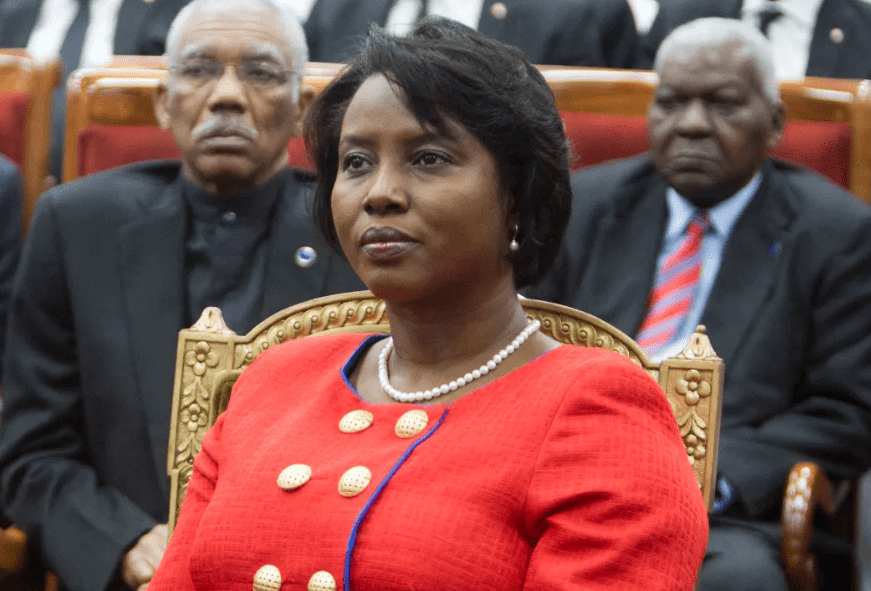
Haiti’s former first lady, Martine Moise, has entered the presidential race as the Caribbean nation prepares to hold its first national elections in more than a decade, following years of political instability and escalating gang violence.
Moise, whose husband, former President Jovenel Moise, was assassinated in July 2021, was listed among 33 presidential aspirants on the Provisional Electoral Council’s website after registration closed on Sunday.
The first round of presidential and legislative elections is scheduled for July 18, 2027, following the postponement of an earlier vote planned for December 2026.
Read More : US Flight Chaos Set to Drag On for Another Day
Martine Moise survived the armed attack that killed her husband at their residence but sustained gunshot wounds. His assassination deepened Haiti’s political crisis, leaving the country without an elected president and worsening an already fragile security situation.
Other prominent figures seeking the presidency include former President Michel Martelly, former interim Prime Minister Claude Joseph and former Foreign Minister Dominique Dupuy.
Martelly, who governed Haiti between 2011 and 2016, has faced international sanctions over allegations of supporting criminal gangs and involvement in drug trafficking linked to the United States.

The electoral commission will review the applications before publishing the final list of approved presidential candidates.
Although Moise has not publicly addressed her candidacy, she recently suggested that Haiti needed a different approach to governance.
“Haiti will rise again on its own two feet because politics needs to be done differently,” she wrote on X earlier this month.
The elections come as Haiti continues to struggle with widespread gang violence, including killings, kidnappings, sexual violence and the recruitment of children into armed groups.
According to the International Organisation for Migration, nearly 1.5 million people have been internally displaced by violence in the country, which has a population of approximately 11 million.
The deteriorating security situation has complicated preparations for the elections, particularly efforts to ensure voter registration, access to polling stations and the safety of electoral officials.
The planned vote represents a significant opportunity to restore elected national leadership, although persistent insecurity and political divisions remain major obstacles to conducting a credible electoral process.