Trending
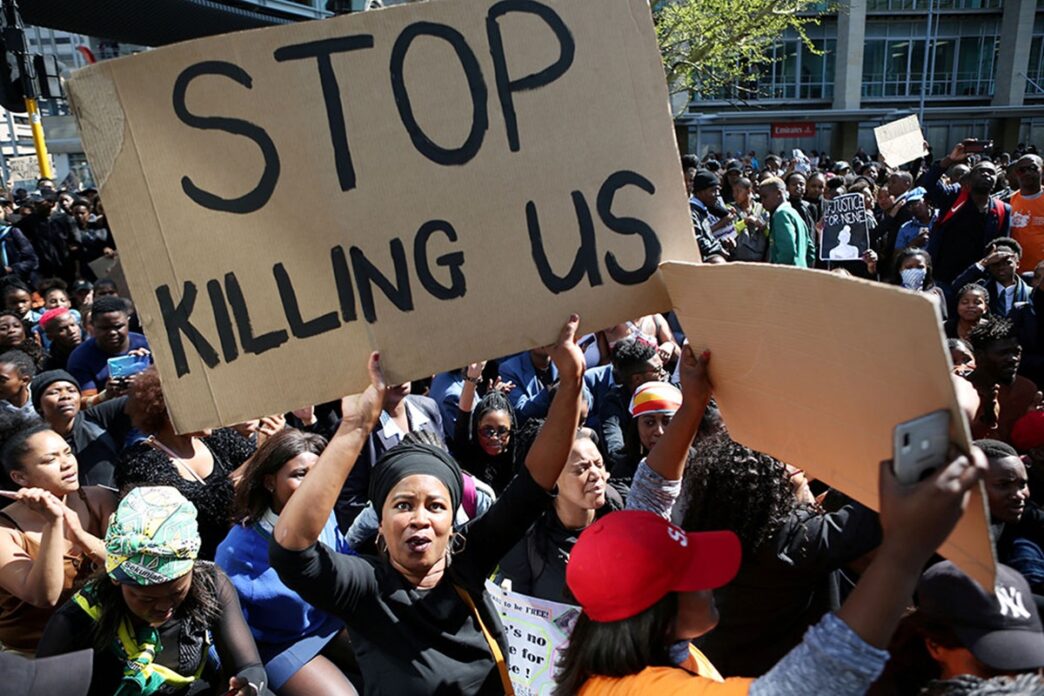
Human Rights Watch (HRW) has accused the Cameroonian government of failing to take sufficient action to address widespread violence against women, despite repeated commitments to tackle the problem over the past decade.
In a report released on Wednesday, the rights organisation said authorities had made few tangible efforts since 2011 to combat gender-based violence, much of which occurs within households and is often perpetrated by husbands, intimate partners, or male relatives.
“Despite repeated promises since 2011, the government has taken few concrete measures” to combat the violence, most of which takes place within the home and often is committed by husbands, partners and male relatives,” the report said.
Read More : Benin Opens International Hospital in Calavi
The report cited official figures showing that 77 women were killed by their partners in Cameroon in 2024.
HRW, however, suggested the actual number could be significantly higher due to underreporting.
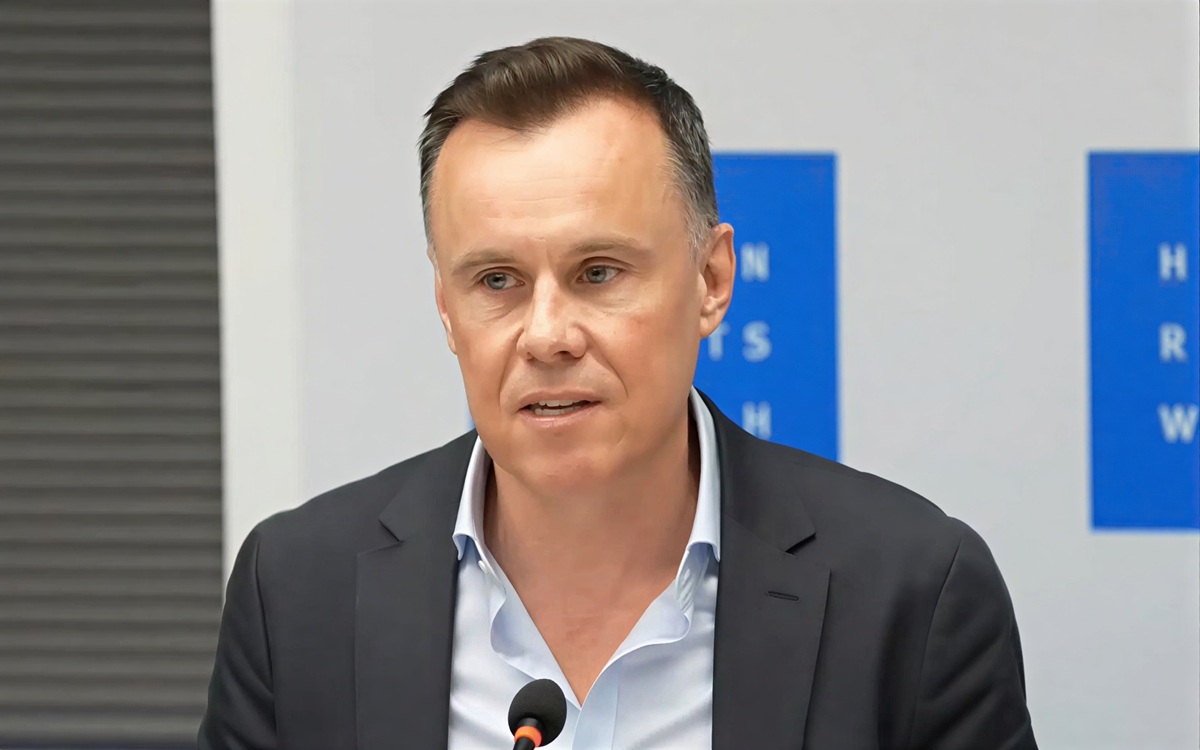
According to the organisation, deeply rooted social attitudes that normalise or justify violence against women continue to fuel the problem.
HRW also listed challenges faced by victims seeking support, pointing to inadequate assistance services and what it described as corruption within law enforcement agencies and public institutions.
The report further identified economic inequalities as a major factor. It noted that married women often have limited control over their income, while widows frequently face difficulties retaining land and property rights. It also cited persistent disparities in inheritance practices.
The findings were based on interviews conducted between September and December 2024 with 60 female survivors of violence, as well as discussions with government officials and religious leaders.
HRW noted that Cameroon ranked 148th out of 162 countries on the United Nations Development Programme’s Gender Inequality Index in 2023, reflecting significant gaps between men and women in areas such as education, employment, and reproductive health.
The organisation urged the government to amend discriminatory provisions in the country’s civil code, arguing that slow progress on legal reforms reflects an absence of strong political commitment to addressing violence against women and gender inequality.