Trending
Artificial intelligence could boost Sub-Saharan Africa’s economy by 4 per cent over the next decade, but only if governments aggressively fix electricity supplies, internet access, and digital skill deficits, according to a new International Monetary Fund (IMF) paper released Tuesday.
Without decisive policy changes and infrastructure investments, the IMF warns the region will see a negligible productivity dividend of just 0.2 per cent, leaving African economies further behind in the global technological expansion.
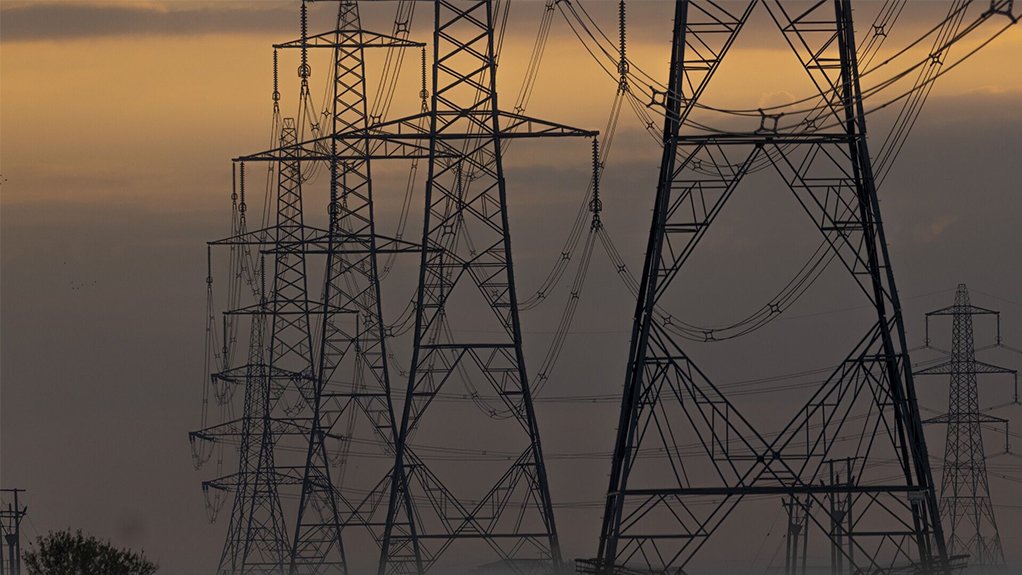
Sub-Saharan Africa currently ranks lowest on the IMF’s AI Preparedness Index, constrained by severe bottlenecks such as persistent power shortages—affecting nearly half the population—and low internet usage, which sat at just 38 per cent in 2024.
Lead authors emphasise that AI data centres could actually serve as bankable anchor projects to accelerate grid construction, encouraging targeted mini-grid developments and fibre backbone expansion to build localised digital hubs.

Private investors are already targeting key markets, demonstrated by Microsoft’s $1 billion geothermal data centre in Kenya and Cassava Technologies’ $700 million graphics processing unit deployment with NVIDIA across South Africa, Nigeria, and Kenya.
However, with the continent hosting just 5.5 per cent of global data centres—heavily concentrated in a few major nations—the IMF stresses that urgent regional reform is necessary to prevent AI investment from widening intra-African economic inequality.