Trending
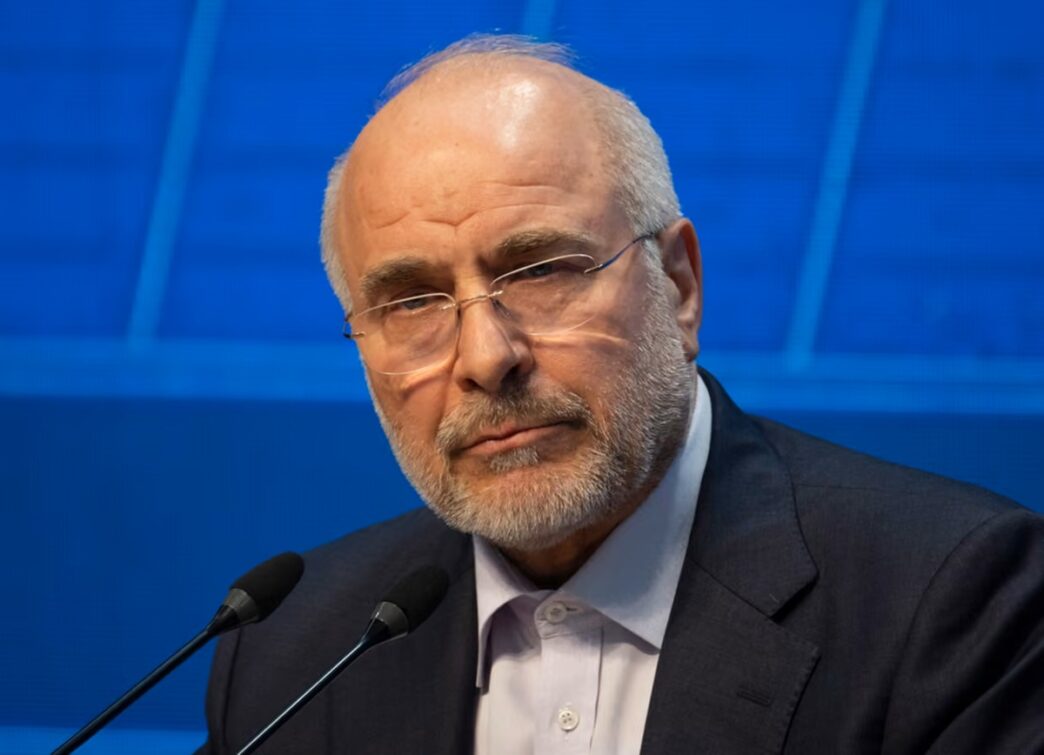
Iran’s chief negotiator, Mohammad Bagher Ghalibaf, has said that the Strait of Hormuz will be administered by Tehran under international law following recent talks aimed at ending the conflict between Iran and the United States.
According to Iran’s state news agency IRNA on Tuesday, Ghalibaf said the waterway would not return to its pre-war status and would remain under the administration of the Islamic Republic.
Ghalibaf made the remarks after returning from negotiations in Switzerland, where Iran and the US agreed to establish communication channels to keep the strategic shipping route open and reduce the risk of further escalation.
Read More : Washington Tightens Iran Economic Squeeze
“The Strait of Hormuz will never return to its pre-war conditions and will be administered by the Islamic Republic of Iran, in accordance with international law,” Ghalibaf said.
He described the talks at the Burgenstock resort as productive, highlighting discussions on the Strait of Hormuz, the situation in Lebanon, oil sanctions exemptions and the release of frozen Iranian funds.
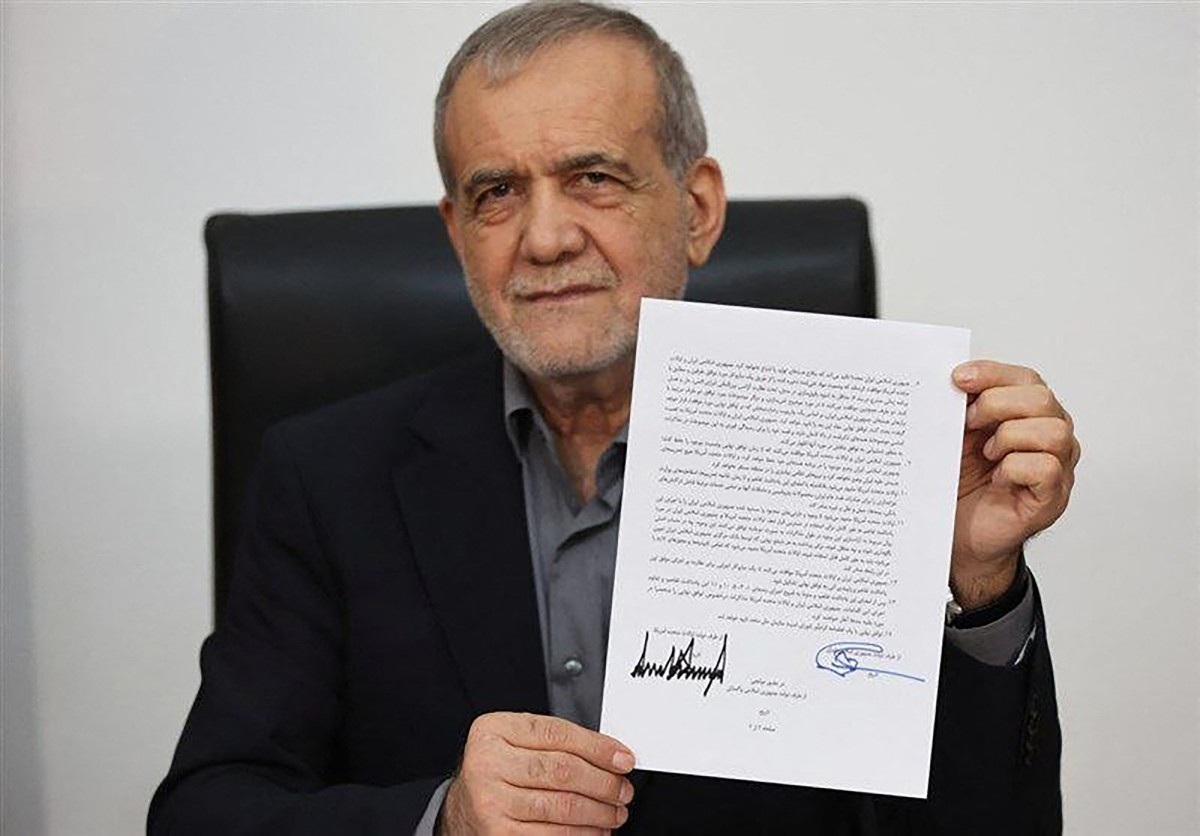
“In my view, this trip had good achievements, especially regarding the discussion of the Strait, the Lebanon discussions, the question of oil waiver, and the matter of releasing the frozen funds,” he said.
The comments came after Washington temporarily suspended sanctions on Iranian oil following the talks, with US Vice-President JD Vance saying Tehran had agreed to allow United Nations nuclear inspectors to return to the country.
Under the reported agreement, Iran is expected to receive some sanctions relief from the US, alongside the unfreezing of certain assets.
Ghalibaf, however, said the discussions represented only the beginning of a broader process and that further efforts would be required. Iranian state media reported that the negotiator also stopped in Oman, a country bordering the Strait of Hormuz.
The vital shipping route through which a significant portion of global oil supplies passes was closed by Iran at the start of the conflict, then reopened after Washington and Tehran reached an agreement.
Read More : Tinubu Celebrates Oyedepo At 72
Tehran later announced another closure following Israeli strikes in Lebanon.
Mediators from Qatar and Pakistan said the two sides had agreed to establish a communication channel to prevent misunderstandings and ensure the safe passage of commercial vessels.
Maritime tracking firms reported that shipping activity through the strait continued on Monday at a faster pace following the agreement on talks to end the conflict.