Trending

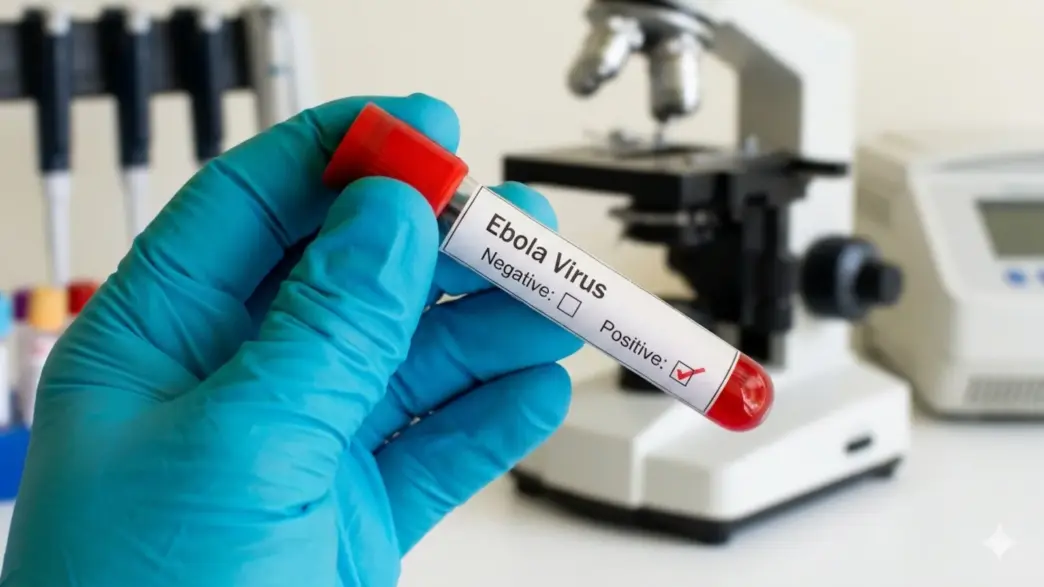
Israel has lifted a travel ban it had earlier imposed on travellers from Kenya over Ebola-related concerns.
The decision followed protests from the Kenyan Ministry of Foreign Affairs, which described the restriction as unfair and noted that Kenya has not recorded any confirmed Ebola cases.
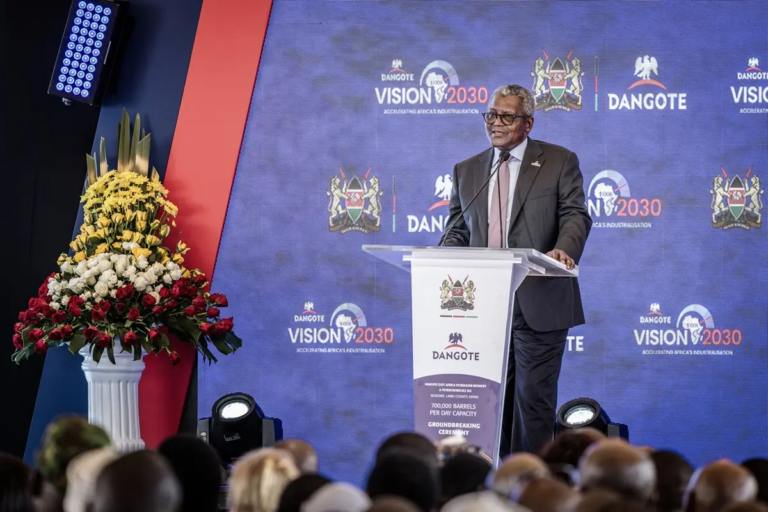
Kenya’s Foreign Affairs Principal Secretary Korir Sing’oei said the Israeli decision was not based on a proper risk assessment.
Read More : Kenya Road Crash Kills 17 Heading to Shrine
“This is especially unfortunate given Kenya’s support to regional surveillance and response to Ebola. With over 80,000 tests conducted, no case of Ebola has been reported in Kenya,” he said.
In response, Israel removed Kenya and Rwanda from its travel restriction list.
The Israel Population and Immigration Authority (PIBA) had, on June 10, 2026, instructed airlines to bar passengers from five countries, including Kenya, from boarding flights to Israel.
“…It is prohibited to board foreign passengers who meet the criteria specified below on flights bound for Israel. You are required to prevent foreign citizens and residents of the following countries from boarding: The Democratic Republic of Congo, South Sudan, Rwanda, Kenya and Uganda,” the notice read.
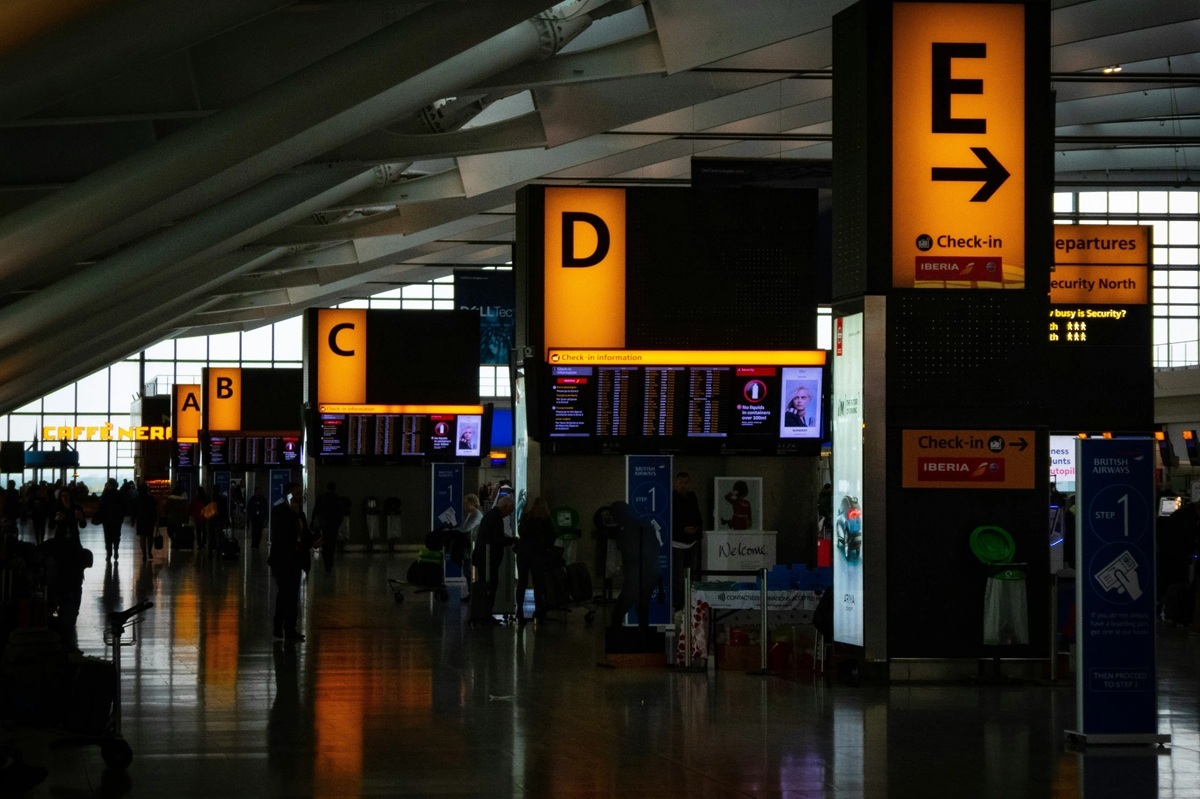
It further stated that passengers who had stayed in or visited any of the listed countries within 21 days prior to travel, regardless of nationality or residence, must also be denied boarding.
Airlines were also directed to screen all passengers before boarding and verify their recent travel history, with instructions to deny boarding to anyone who met the criteria. Israeli citizens and residents were exempt from the restrictions.
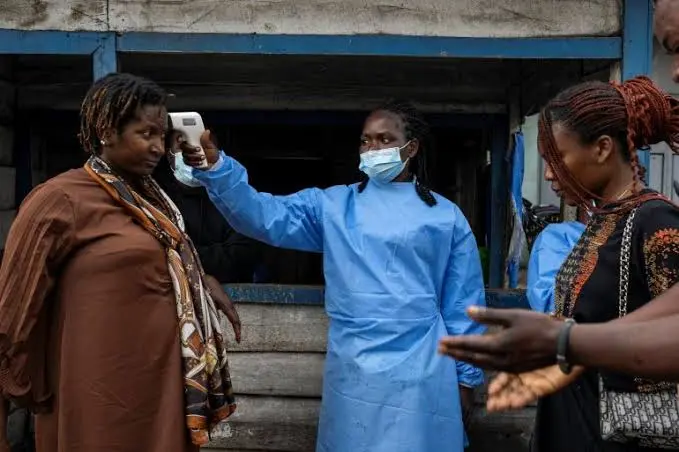
Kenya is yet to record any Ebola cases, while the government says it is strengthening public health surveillance and preparedness to prevent any outbreak.
Kenya’s Health Cabinet Secretary Aden Duale described the directive as unfair, insisting that “Kenya is not in the Ebola epicentre.”
“What they have done is very unfair. Kenya is not in the epicentre of Ebola. We have no case. I have spoken to the Cabinet Secretary for Foreign Affairs, Musalia Mudavadi, who has spoken to the Israeli ambassador to protest. The Israeli ambassador is going back to his capital to address it, and then they will get back to him,” Duale said.
“This matter is very serious. We are the only country out of the 10 countries neighbouring the epicentre that has highly prepared for any eventuality,” he added.