Trending
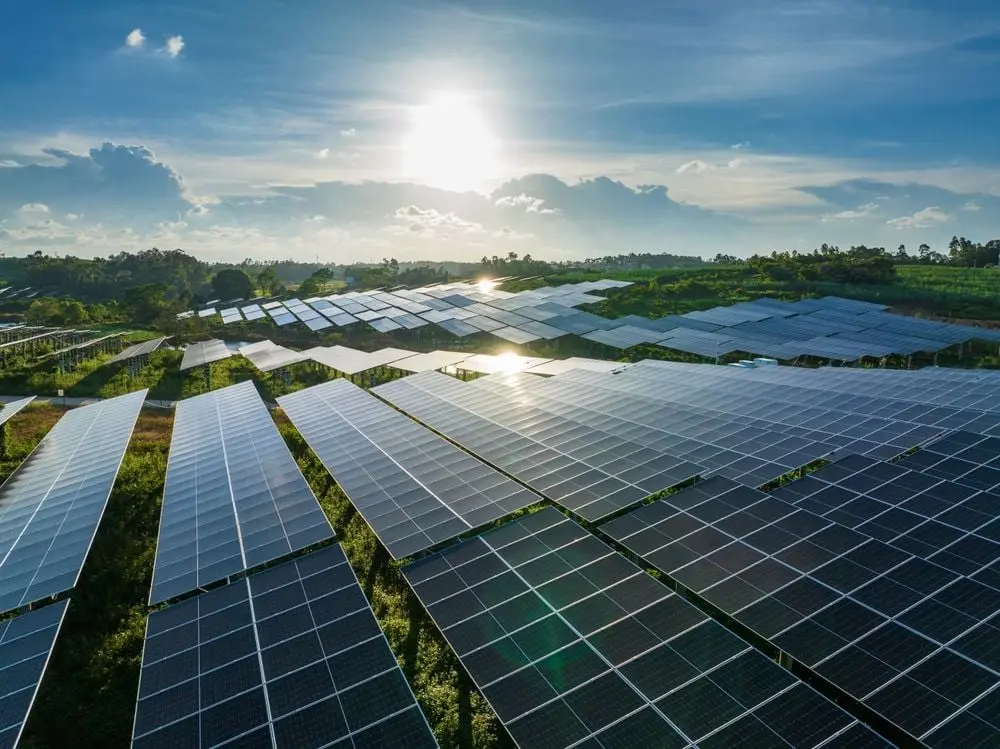
Kenya is increasing its renewable energy goals, tripling its long-term generation target to meet rising electricity demand and support industrial growth.
The country plans to develop 5,500 megawatts of renewable energy capacity, up from about 1,500 MW currently.
The pipeline includes 2,000 MW of nuclear power, 700 MW of hydropower and additional geothermal projects.
Read More : ANC Faces Voter Backlash Over Municipal Failures
The expansion would reinforce Kenya’s status as one of the world’s leading users of renewable energy.
About 93% of the country’s electricity already comes from renewable sources.
But expanding clean energy generation does not necessarily mean lower electricity bills.
Experts told The Associated Press that Kenya will need to overhaul power purchase agreements, improve its electricity grid, reduce financing costs and rethink pricing if consumers are to benefit from the planned expansion.
“We have recalibrated our long-term growth trajectory from 1,500MW to a 5,500MW renewable energy development pipeline,” said Peter Njenga, chief executive of KenGen, the state-owned utility that generates about 60% of Kenya’s electricity.
Push for Cheaper Power
The government is facing growing pressure to bring down electricity tariffs.
In July, parliament instructed Energy Minister Opiyo Wandayi to develop a framework for renegotiating electricity supply agreements with major power producers.
Lawmakers said lower wholesale electricity costs could give Kenya Power more room to cut tariffs without further straining its finances.
For energy analysts, however, the challenge goes beyond generating more electricity.
“The answer to this conundrum is not as straightforward as it may seem,” said Mugwe Manga, climate finance lead at nonprofit FSD Kenya.
“One must look at the entire energy system holistically to understand the drivers of the end cost of power,” he told The Associated Press.
Kenya offers relatively little direct government support to shield consumers from electricity costs compared with countries such as Morocco, Egypt and China.
Although renewable generation can be cost-competitive, consumers also pay for financing, transmission and distribution losses, taxes and fluctuations in foreign exchange rates.
Industrial users currently pay between $0.18 and $0.23 per kilowatt-hour, according to the latest data.
That compares with about $0.03 in South Africa and Egypt and around $0.05 in Morocco and Ethiopia.
Kenya Power CEO Joseph Siror has previously argued that perceptions about electricity costs do not tell the whole story.
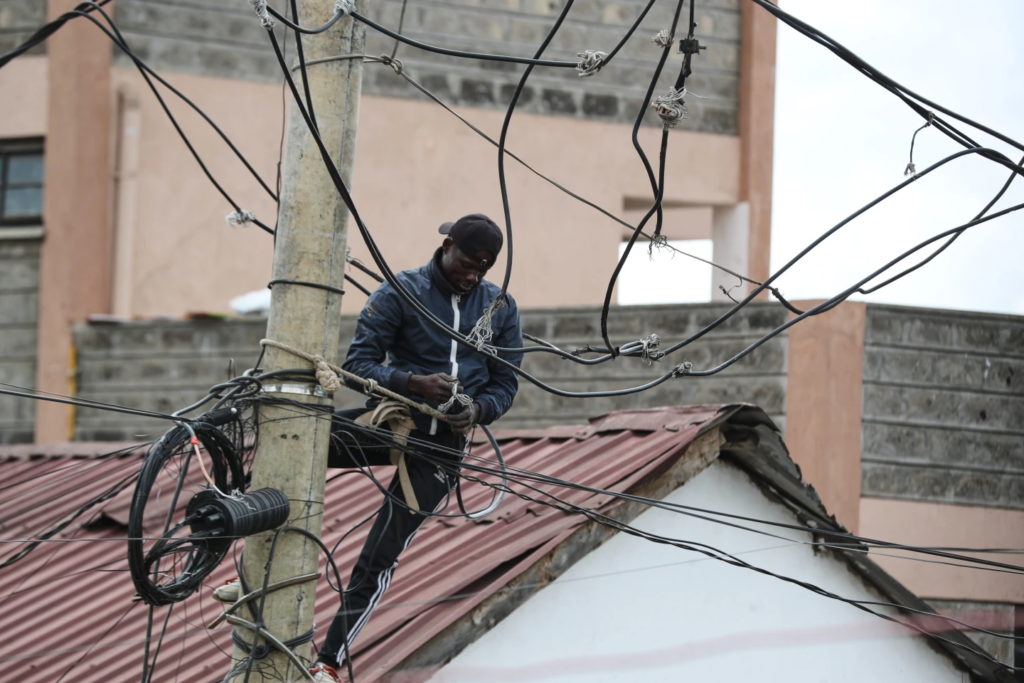
“The perception that electricity is expensive is subjective,” Siror said.
“The consumer prices are dependent on infrastructure costs, electricity tariff structures, and outstanding bill recoveries.”
He also pointed to the cost of developing and maintaining infrastructure needed to support Kenya’s renewable-heavy electricity system.
Costly Grid, Expensive Financing
The country’s distribution network is another major source of inefficiency, Manga said.
More than 20% of electricity is lost through technical failures and illegal connections, compared with a global average of between 8% and 10%, he said.
“That offers a great low-hanging fruit to improve efficiency and pass that efficiency dividend to end consumers through reduced tariffs,” Manga told The Associated Press.
Financing is another obstacle. Renewable energy developers in Africa generally face higher borrowing costs than projects in wealthier markets because investors consider them riskier.
Those higher financing costs can eventually filter through to electricity bills.
Kenya’s long-term power purchase agreements are also facing greater scrutiny.
Independent power producers account for about 40% of the country’s generation capacity under contracts signed after the electricity sector was liberalised in the late 1990s.
Some agreements contain “take-or-pay” provisions, requiring Kenya to make payments even when it does not use all the electricity it has contracted to buy.
Critics say such clauses can leave consumers paying for unused power.
Manga, however, said the guarantees were important for securing financing for expensive energy projects.
“Kenya’s renewable resource base is a major advantage, but electricity prices are determined by the whole system, not only by the cost of power generation,” said Albert Nganga, senior regulatory manager at CrossBoundary Energy.
“They also reflect how power is contracted, transmitted, distributed and recovered.”
Read More : Kenyan Artist Revives Lamu Woodcarving Tradition
Proposed open-access reforms could introduce more competition by allowing large electricity users to buy power directly from generators, Nganga said.
Cynthia Angweya-Muhati, CEO of the Kenya Renewable Energy Association, told The Associated Press that the government’s ambitious generation plans would need stable investment policies and structural reforms to accompany them.
“The real test will be whether that additional clean generation is matched by reforms that lower electricity costs for consumers,” Angweya-Muhati said.