Trending
Kenya is negotiating with major multilateral development institutions—including the African Development Bank and the World Bank—to secure new budget support and financing before the end of the current fiscal year in June.
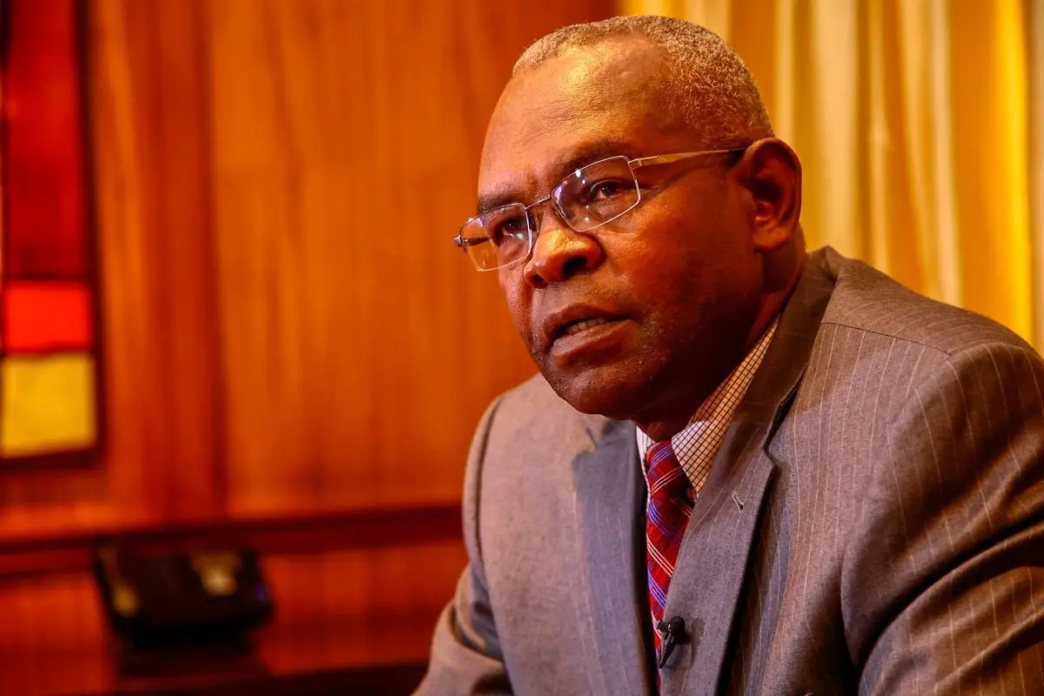
Central Bank of Kenya Governor Kamau Thugge confirmed the talks during the IMF and World Bank annual meetings in Bangkok, noting that officials are exploring diverse funding avenues, including a World Bank Development Policy Operation (DPO) and potential debt-for-food swaps.
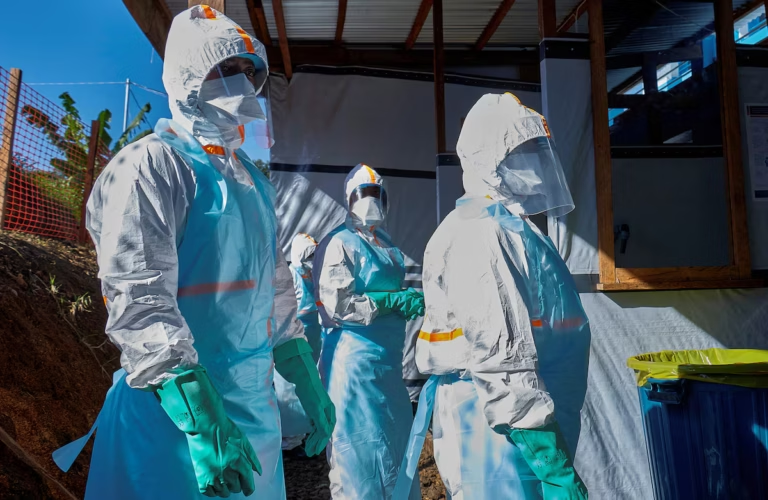
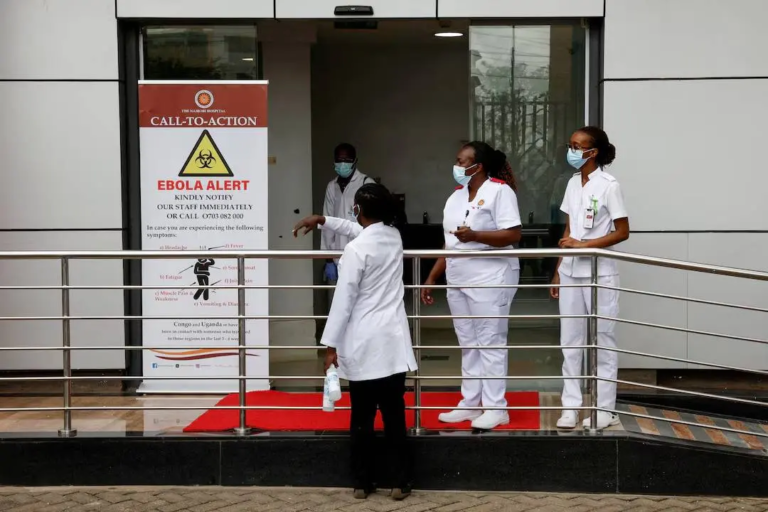
The government also expects roughly $400 million in emergency World Bank funding to cushion against regional health risks and climate-related disruptions.
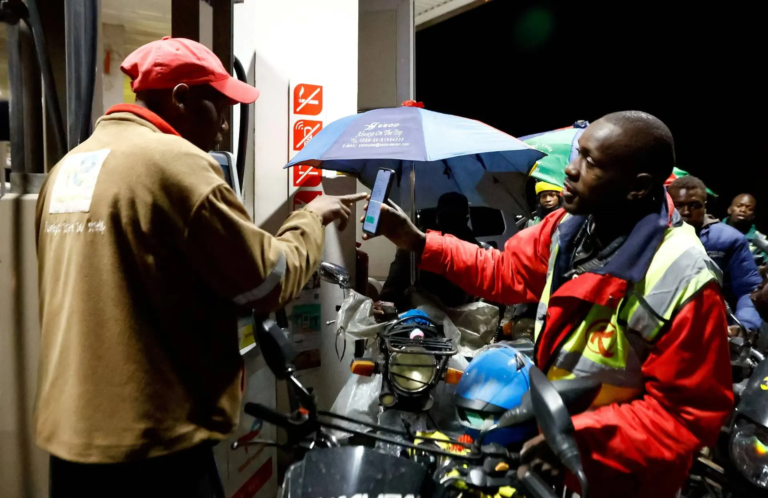
Read More : Kenya Raises Fuel Prices as Import Costs Soar
While Kenya has not factored International Monetary Fund (IMF) financing into its primary budget planning, an upcoming regular Article IV mission in Nairobi this December could pave the way for a new programme.
Thugge emphasised the strategic benefits of securing concessional funding over domestic alternatives: “It’s cheaper than the alternative financing, especially domestic financing… and two, it also reduces the government’s recourse to domestic borrowing, and maybe that can also help banks lend to the private sector a bit more.”
Addressing monetary policy after holding the benchmark interest rate at 8.75 per cent, Thugge noted that central bankers are carefully weighing upside inflationary risks—such as rising global bond yields and Middle East conflict-driven fuel price increases—against falling domestic food prices.
Despite these headwinds, the central bank maintains an optimistic economic outlook, forecasting GDP growth of 5 per cent this year and 5.3 per cent next year.
Expressing confidence in the country’s agricultural, industrial, and service sector recovery, Thugge added, “It’s likely our projection is closer to the truth than the IMF one.”