Trending
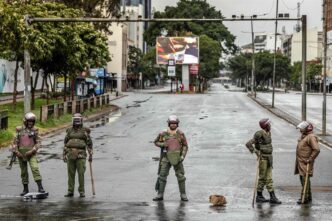
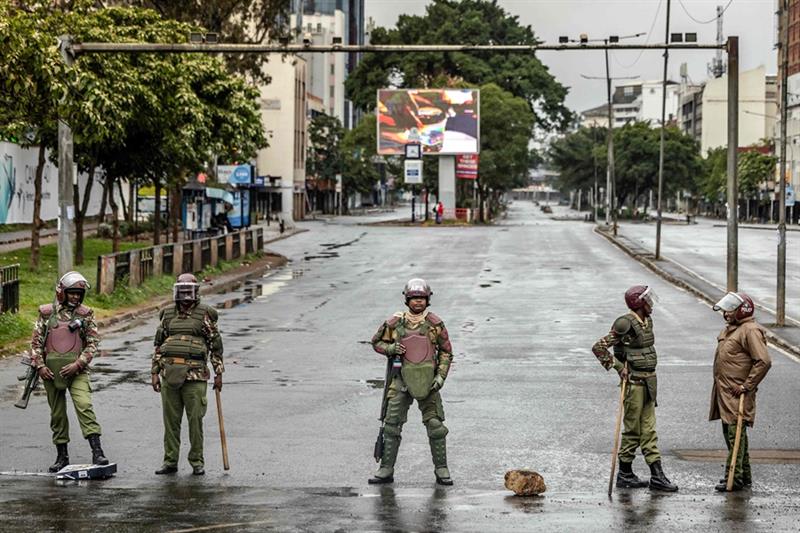
Kenyan police have mounted roadblocks around Nairobi ahead of a planned public protest marking the second anniversary of the deadly 2024 anti-government unrest, during which at least 60 people were killed, and crowds breached the country’s parliament complex.
The events are being led in part by families of those who lost their lives during the unrest. Relatives of the victims say they are seeking justice over the deaths and what they describe as a lack of transparency in the government’s efforts to compensate people affected by human rights abuses during the crackdown.
The gatherings come with heightened political tensions and growing demands for accountability over the deaths and injuries recorded during the unrest two years ago.
Read More : Trump Offered China Arms Deal, Envoy Says
Last week, President William Ruto reaffirmed citizens’ right to assemble but stressed that public order must be maintained. He said people would be allowed to protest, while the government would also safeguard the rights of children to attend school and workers to carry out their jobs, warning against attempts to “shut down the country.”
Interior Minister Kipchumba Murkomen struck a similar tone on Wednesday, saying police would provide security for participants but would not tolerate criminal elements taking advantage of the gatherings to target businesses.
By Thursday morning, security forces had established roadblocks along major routes leading into Nairobi, significantly restricting access to the city centre. Parliament remained heavily fortified behind barricades, while many businesses chose to remain closed amid fears of unrest.
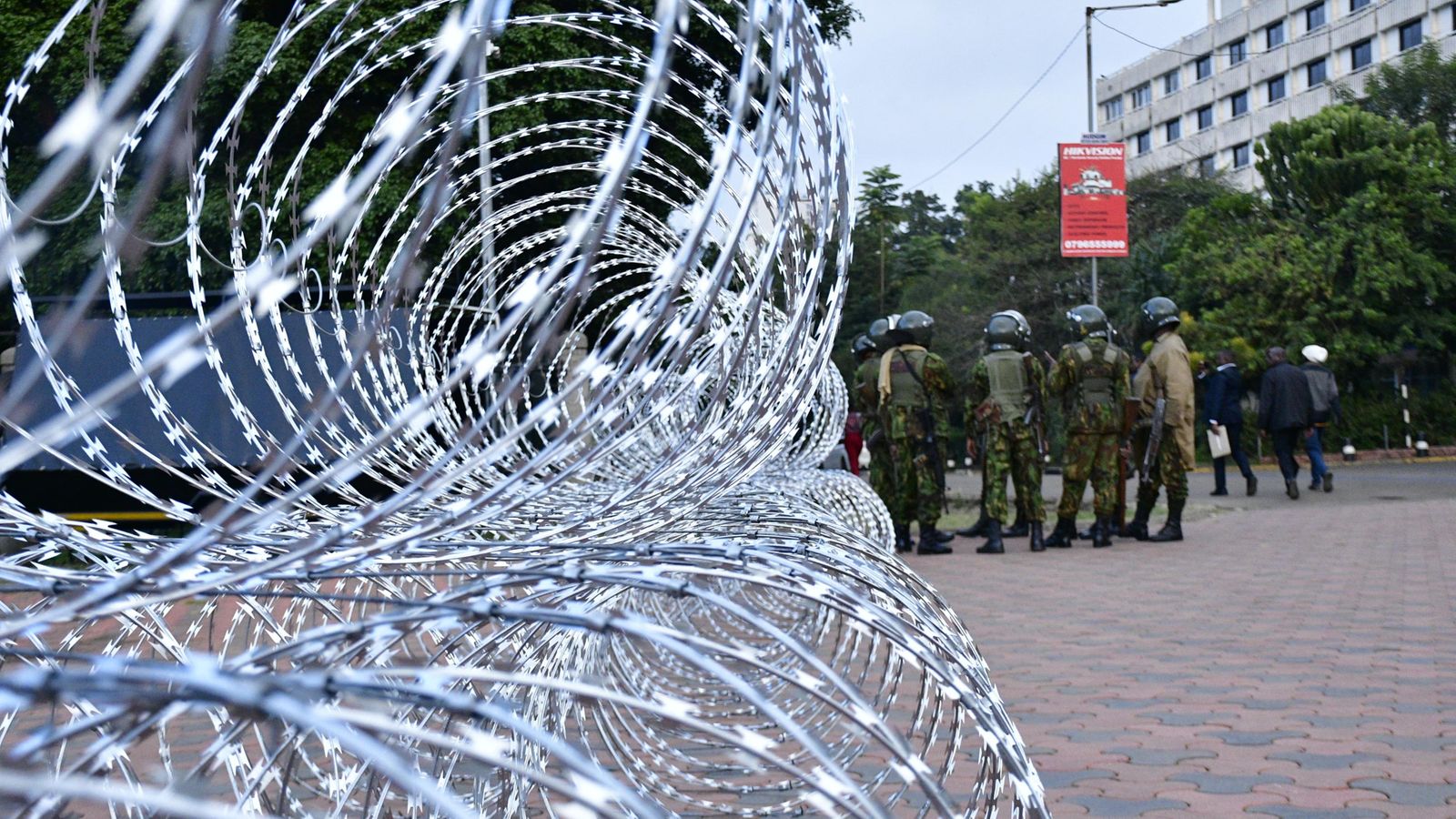
Opposition leaders threw their support behind the gatherings, renewing calls for greater transparency in the government’s compensation programme.
Among those who joined activists and bereaved families were former Vice President Kalonzo Musyoka, former Justice Minister Martha Karua and former Chief Justice David Maraga. The group marched to Parliament, where they laid wreaths at the barbed-wire barricades surrounding the legislative complex in honour of those killed during the 2024 unrest.
Nairobi Police Commander Issa Mohammud defended the security measures, saying the roadblocks were intended to “sieving out criminals” rather than prevent ordinary citizens from entering the city. He also confirmed that “several” individuals had been arrested, adding that detailed figures would be released later.
The June 2024 protest was triggered by widespread anger over a proposed finance bill that sought to raise taxes despite mounting economic hardship and a rising cost of living. Thousands of young Kenyans stormed Parliament in a bid to pressure lawmakers into rejecting the legislation.
Read More : Serbia’s President Resigns to Seek Premiership
Police responded by opening fire outside the parliamentary complex, leaving dozens dead and sparking national outrage.
Addressing the issue last week, Ruto said the government’s compensation programme represented “a state acknowledgment that harm occurred” and should not be interpreted as an “admission” of guilt.
He further argued that the compensation was not the “price of life, of pain or of loss,” and should not be viewed as a “reward for violence or criminality” in a country where violent protests are common