Trending
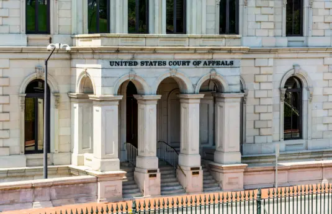
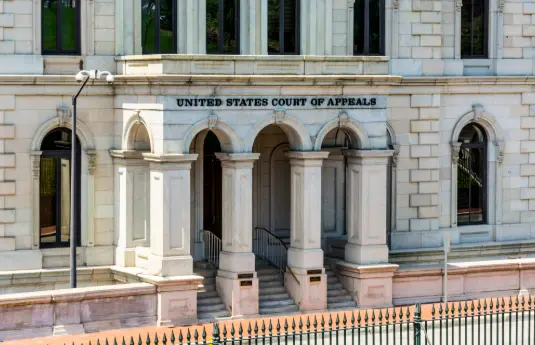
A United States (US) appeals court has struck down a formula used to protect patients from unexpectedly high medical bills.
The ruling was issued on Tuesday by a majority of the 17-judge 5th US Circuit Court of Appeals in New Orleans.
The case centres on the No Surprises Act, a 2020 law designed to prevent patients from receiving huge bills for out-of-network medical care, particularly during emergencies.
Read More : Serbia’s President Resigns to Seek Premiership
The law requires healthcare providers and insurers to negotiate payment rates instead of passing unexpected costs on to patients.
Healthcare providers, including the Texas Medical Association and air ambulance operators, had challenged the formula used to calculate the qualifying payment amount (QPA).
The QPA is based on the median rate insurers pay for specific in-network services in a particular region.
The providers argued that the formula unfairly favoured insurers.
The appeals court agreed that insurers should not include so-called “ghost rates” prices for services they had never actually provided when calculating the QPA.
It also ruled that bonus and incentive payments should not be excluded.
However, the court sided with the government on allowing insurers to exclude one-off agreements, including some contracts involving air ambulance services.
The court rejected concerns that scrapping the formula could immediately leave patients facing extremely high medical bills.
“The agencies have been exercising enforcement discretion… so they are more than capable of preventing immediate chaos,” the majority said.
The ruling partly restored an earlier district court decision that had favoured healthcare providers.
A three-judge panel of the same appeals court had later overturned that decision.
The ruling comes three weeks after the US Centres for Medicare and Medicaid Services (CMS) told The New York Times that doctors were “gaming” the system to obtain higher payments.
According to the newspaper, payments awarded to doctors through the No Surprises Act arbitration process more than tripled to $14.9 billion in 2025, from $4.1 billion in 2024.
Six judges partially disagreed with Tuesday’s ruling, arguing that QPAs should include contracted rates even when claims were not paid and should exclude bonus and incentive payments.
The decision leaves the government with the task of developing a replacement formula while preventing immediate disruption to patients.