Trending
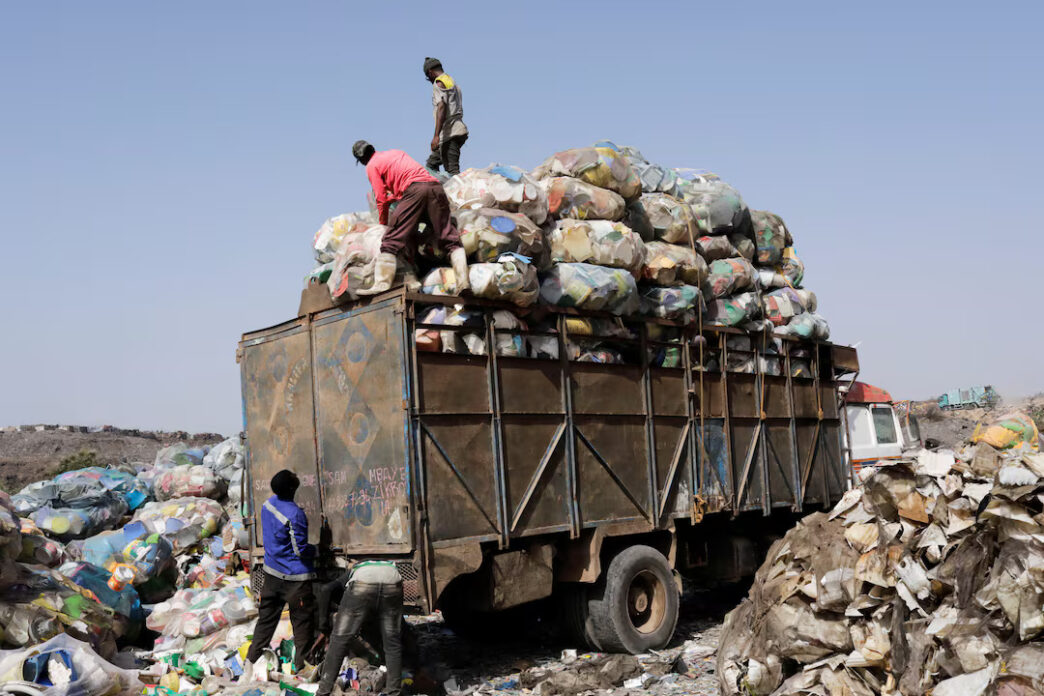
The coastal megacity of Lagos produces more than 13,000 metric tonnes of solid waste every day, making garbage collection one of the most difficult operational tasks in West Africa.
Fleet trucks from the Lagos Waste Management Authority (LAWMA) and other private operators rumble through crowded commercial districts long before dawn breaks over the Atlantic shoreline, trying to clear narrow avenues clogged with plastic packaging, organic food scraps, and abandoned consumer goods.
Formal municipal collection systems are only able to collect 40 per cent of the 0.6 kilogrammes of waste that each of the more than 15 million residents produces every day.
Read More : Mariama Camara Champions African Textiles
The thousands of tonnes that remain frequently build up in washed-out drainage channels or neighbourhood street corners, posing serious risks to the environment and public health.
Olusosun Landfill
The enormous Olusosun landfill, a vast 100-acre dump site that receives a significant amount of the city’s waste, is at the centre of this urban conflict.
An enthusiastic army of unofficial waste pickers and green tech startups actively fills the void while city officials grapple with acute infrastructural shortages, depending on fewer than 600 collection trucks throughout the entire metropolitan area.
Recyclers and other grassroots businesses use fleet cargo tricycles in high-density, underserved neighbourhoods.
They incentivise low-income households to separate clear PET plastics, aluminium cans, and paper, offering redeemable financial points and essential consumer goods in exchange for clean recyclables. These community-driven interventions are rapidly transforming Lagos’s waste narrative from a crisis of governance into a burgeoning circular economy.
Plastics alone account for nearly 15 per cent of all dumped refuse in the city, representing millions of dollars in unrecovered economic value.
Hundreds of tonnes of plastic waste are now collected and compressed each month by private recycling facilities, which export finished plastic pellets to foreign markets and provide raw materials to regional manufacturers.
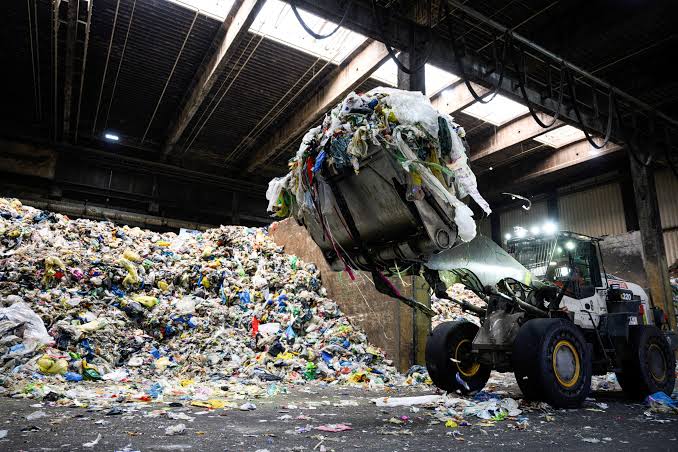
Garbage Output Is Organic Waste
Additionally, more than half of the city’s daily garbage output is organic waste, which has led agricultural entrepreneurs to collaborate with traditional food markets to turn vegetable waste into animal feed and nutrient-rich compost.
Despite these grassroots successes, urban expansion continually outpaces infrastructure development in low-lying coastal areas like Makoko, Ajegunle, and Victoria Island.
During the heavy West African monsoon seasons, uncollected debris frequently blocks vital drainage canals, triggering flash floods that submerge major thoroughfares, paralyse local commerce, and contaminate drinking water supplies.
Traffic congestion compounds the problem, with collection trucks losing up to 60 per cent of their operational time idling on choked expressways, severely limiting the number of trips a vehicle can make to suburban dumpsites each day.
To address these systemic bottlenecks, state planners are rolling out updated public-private partnership frameworks designed to modernise the entire waste ecosystem.
Read More : Africa Tests New Funding Models for 5G
The government’s multi-year strategy includes deploying smart collection tracking technology across private fleets, distributing nearly 80,000 standardised waste bins to households, and building dedicated waste-to-energy power plants to convert methane gas from landfills into electricity.
Municipal leaders emphasise that transforming Africa’s largest metropolis requires moving away from crude open dumping toward integrated resource management.
Lagos hopes to transform its daily garbage mountains into a sustainable source of clean energy and green jobs by investing in cutting-edge processing facilities and supporting private recycling pioneers.