Trending
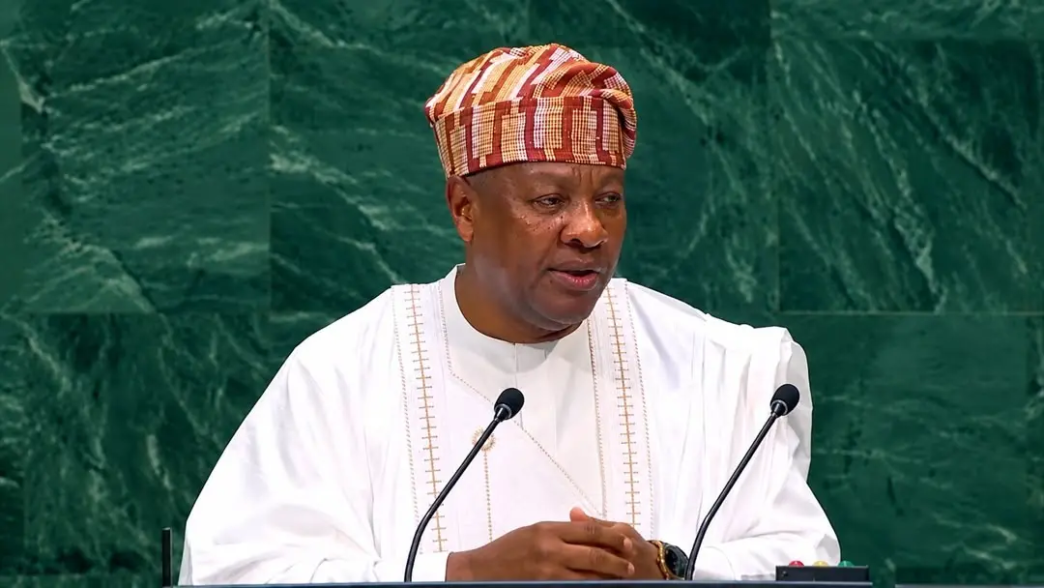
Ghanaian President John Dramani Mahama has warned against the weaponisation of identity and called for greater international recognition of the historical injustices suffered by Africans through the transatlantic slave trade and racialised chattel enslavement.
Mahama made the remarks while addressing the 81st Session of the United Nations General Assembly in New York on Thursday.
He said the manipulation of belonging for political purposes could fuel “nativism, chauvinism, xenophobia” and other forms of prejudice against people considered different.
Read More : Xi Urges US to Keep Control Over AI
“When belonging is weaponized by political expediency, it transforms into nativism, chauvinism, xenophobia, and the dangerous prejudices that are extended to people who are deemed different from us,” Mahama said.
He warned that such prejudices could become a basis for discrimination, displacement, persecution and war.
According to the Ghanaian President, the United Nations must uphold the principle that every person belongs to the human family, regardless of race, nationality, religion or place of birth.
“No race is superior. No nation is inferior. No child’s life is worthless because of the language they speak, or the faith they profess, or the color of their skin, or the land of their birth,” he said.
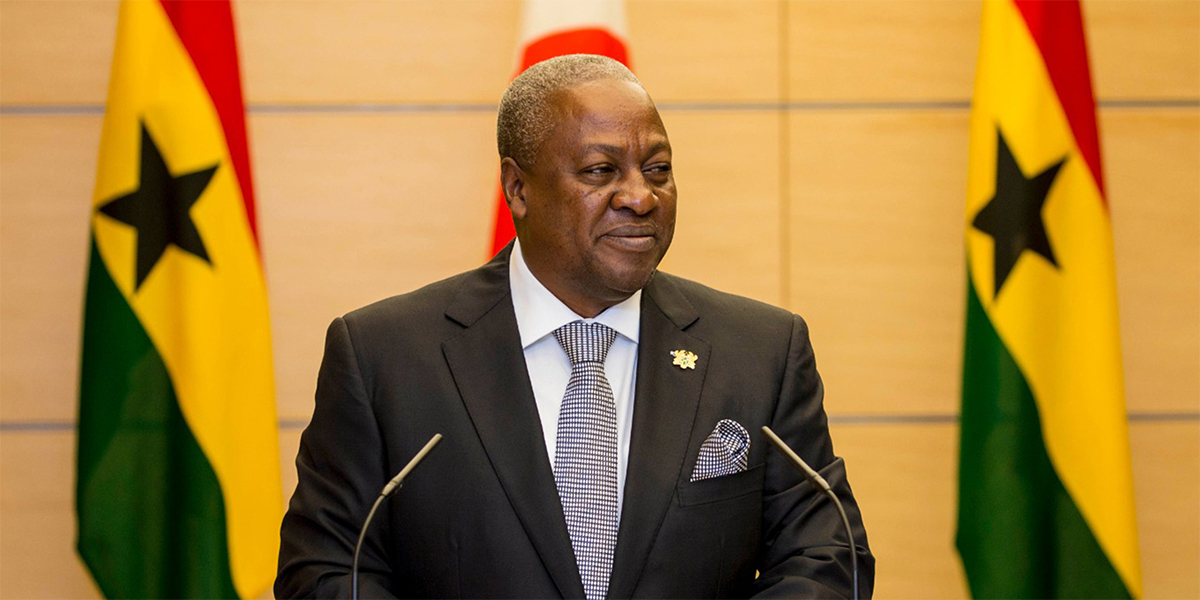
Mahama also returned to Ghana’s campaign for international recognition of the transatlantic slave trade and racialised chattel enslavement of Africans as the gravest crime against humanity.
He said Ghana had raised the issue at the UN not to reopen historical wounds or provoke division, but to promote truth, acknowledgement and meaningful repair.
“For centuries this tragedy was rendered in the passive voice as though the millions of African men, women, and children just vanished into the shadows of time,” Mahama said.
“They did not vanish. They were hunted. They were captured. They were trafficked. They were bought. They were sold.”
He said the forced labour of enslaved Africans contributed to the development of cities, industries, banking institutions and empires in the modern Western world, while Africa suffered population loss, the separation of families and communities, structural disruption and generational trauma.
Mahama recalled that on March 25, 2026, the International Day of Remembrance of the Victims of Slavery and the Transatlantic Slave Trade, Ghana tabled Resolution 80/250 before the UN General Assembly.
He said 123 countries voted in favour of the resolution, affirming the recognition of the transatlantic slave trade and chattel enslavement as the gravest crimes against humanity.
Mahama said the recognition should form part of a broader process of healing, adding that truth must lead to acknowledgement and acknowledgement to meaningful repair.
His remarks come as Ghana continues to push for greater international recognition of the historical consequences of the transatlantic slave trade, including its lasting impact on African societies and the global African diaspora.