Trending
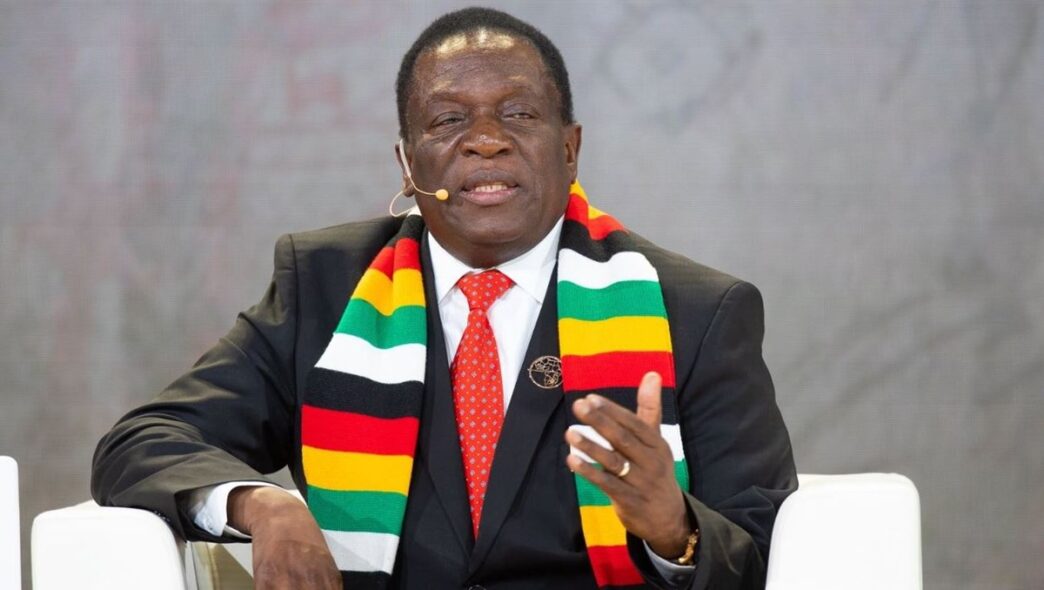
Zimbabwe’s opposition Movement for Democratic Change (MDC) has asked the country’s Constitutional Court to overturn a law that could allow President Emmerson Mnangagwa to remain in office until 2030.
The challenge was filed on Thursday, two days after the 83-year-old president signed the constitutional amendment into law. The changes, which were approved by parliament, where Mnangagwa’s ruling Zanu-PF party holds a majority, extend presidential and parliamentary terms from five to seven years.
The MDC argued that the amendment was unconstitutional because it required a referendum before it could become law. In its court filing, the opposition party said Mnangagwa had “failed to fulfil his constitutional obligation” by approving the changes without allowing citizens to vote on the matter.
The party’s leader has asked the court to declare the amendments invalid, either by cancelling them or by directing the president to organise a public vote.
The new law would extend Mnangagwa’s current mandate by two years, allowing him to remain in power beyond the end of his second five-year term, which began after his re-election in 2023.

Another major change gives parliament the authority to nominate the president, removing the system of direct public elections for the position that has existed since 1987.
Mnangagwa became Zimbabwe’s leader in 2017 after an army-backed coup removed longtime president Robert Mugabe, who ruled the country for 37 years. He later won presidential elections in 2018 and 2023.
Supporters of the amendment argue that the changes will promote “political stability and continuity” in Zimbabwe. However, critics say the move strengthens Zanu-PF’s hold on power and weakens democratic accountability.
The legal challenge comes as Zimbabwe’s opposition continues to face political challenges following years of alleged repression and disputed elections. The MDC maintains that the constitutional process must protect citizens’ right to determine the country’s political future.