Trending

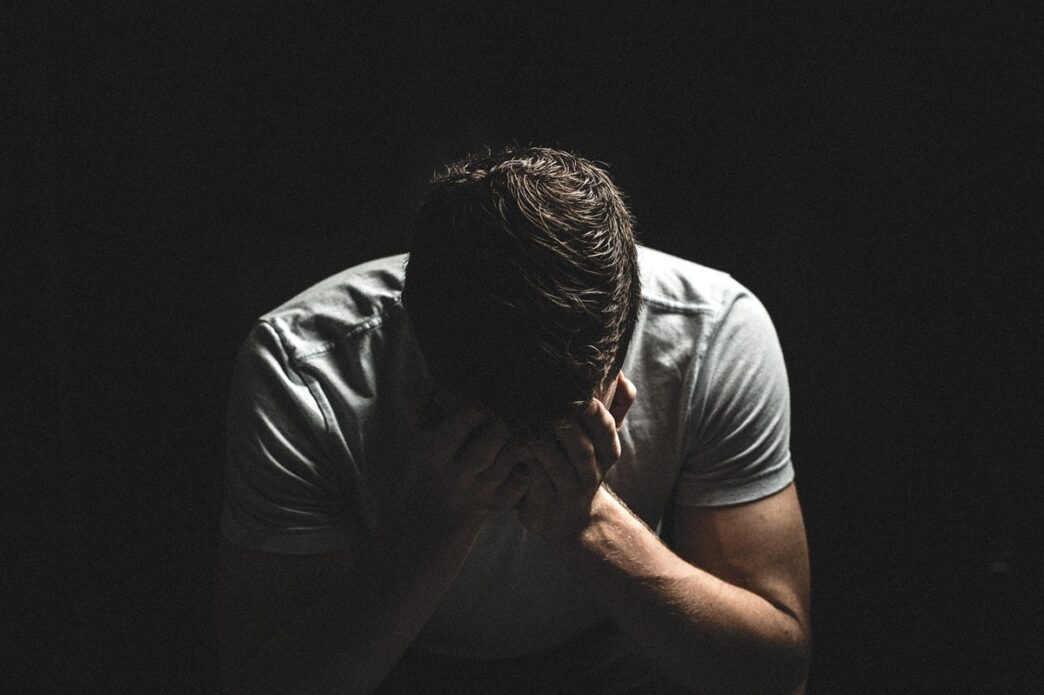
Psychotherapist and Mental Health Advocate Segun Matthew has said many men silently suppress emotional pain and withdraw from others because of societal expectations around masculinity and strength.
Matthew made the remarks on Thursday during an appearance on News Central TV programme Jasiri, where he discussed how mental health challenges often manifest differently in men and women.
According to him, emotional struggles in men are frequently hidden, making it harder for people around them to detect signs of distress.
“Men, sometimes they don’t carry their emotional pain,” he said, explaining that many internalise their struggles rather than openly expressing them.
“Men can easily suppress their emotion more than the women.”
Segun Matthew says many men tend to hide their emotional struggles, making it harder for others to recognise when they need help or support. pic.twitter.com/7fMJ3zCrm9
— News Central TV (@NewsCentralTV) May 21, 2026
He noted that while women may outwardly show signs of depression through crying, anxiety, agitation or restlessness, men often respond differently.
“But women, you know, it’s easy for them. They may cry. They may become very irritable. They may become agitated and restless. And you know, sometimes they may isolate themselves or they may be under a lot of anxiety as a, as a result of depression, but unlike men, you know, and they will not abuse drugs, “ he said.
Matthew explained that men dealing with mental health issues are more likely to display excessive anger, irritability or substance abuse.
“If a man suffers from mental health issues, a man can show a lot of excessive anger and irritability,” he said.
“A man can start taking drugs and alcohol. It doesn’t mean women don’t, but those are more attractive to men.”
He added that many men avoid opening up emotionally because they fear being perceived as weak.
“Sometimes men will withdraw. They don’t want people to feel that they are weak, thinking that when people feel that I’m going through internal issues, it shows that I’m weak,” he said.

To illustrate how hidden mental struggles can be, Matthew recounted the case of a doctor who died by suicide after continuing to work despite emotional distress.
“There was a doctor that jumped into the lagoon some years ago,” he said.
“That doctor was experiencing stuff, and he still went to the hospital, saw patients, left his clinic and went and jumped into the lagoon.”
He also narrated another incident involving a senior official in an organisation who appeared normal before taking his own life.
“He came to work on Thursday. They didn’t see him on Friday, which was unlike him,” Matthew said.
By the following week, colleagues became concerned and went to check on him at home.
“They got the police and knocked down the door. The guy was hanging there,” he said, noting that the man had likely died days earlier despite appearing fine at work shortly before.
Matthew further explained the physical effects of prolonged stress, saying persistent emotional strain can trigger harmful chemical reactions in the body.
“Stress releases hormones into our body. We call those hormones cortisol, adrenaline and stuff like that,” he said.
According to him, the body can only process limited amounts of stress hormones before serious health consequences happen.
“When these hormones are continuously being released into our body, they can cause all kinds of problems,” he stated.
He linked chronic stress and emotional distress to high blood pressure, cardiovascular disease, and skin conditions.
“That’s why you see a lot of people that have mental health problems or that suffer some kind of emotional issues. You see that they have high blood pressure, cardiovascular disease and stuff like that,” he said.
Matthew also warned that severe stress can aggravate underlying medical conditions and even contribute to life-threatening health complications.