Trending

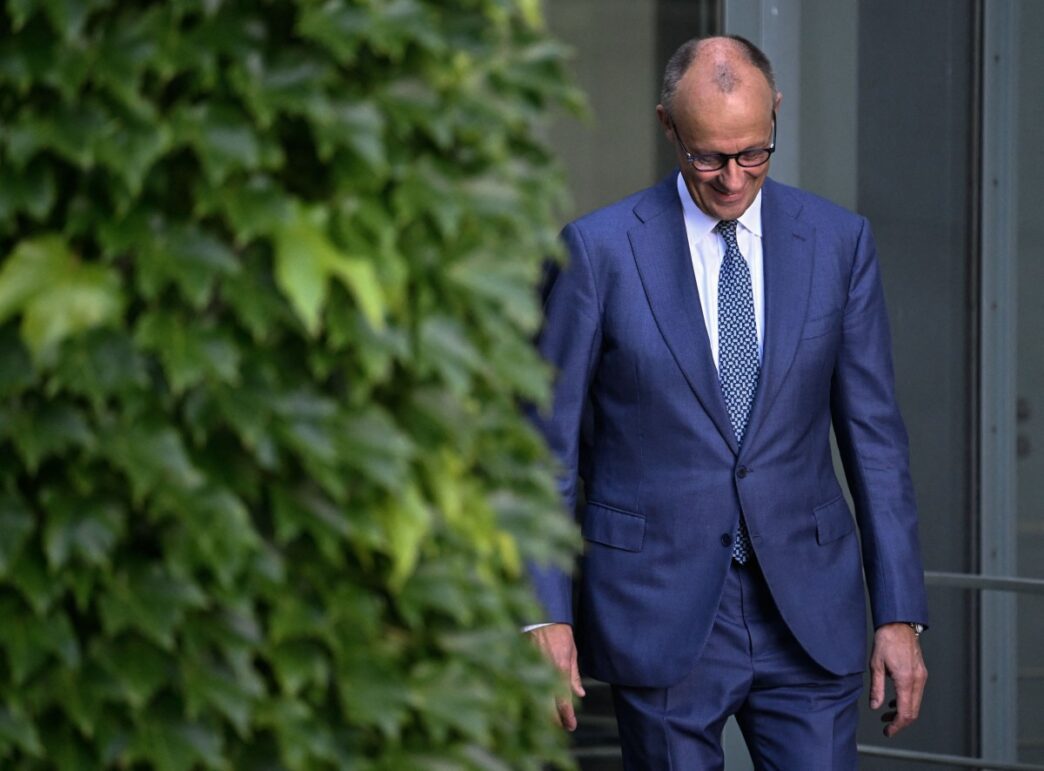
German Chancellor Friedrich Merz has initiated a cabinet reshuffle following a political controversy linked to surrogacy, signalling a broader reorganisation in his government.
The move comes after Jens Spahn, a senior lawmaker and former chairman of Merz’s centre-right CDU/CSU alliance in parliament, resigned last week. Spahn stepped down after revelations that he and his husband had a child through a surrogate in the United States, a practice prohibited in Germany and opposed by the CDU.
Merz has been actively repositioning key figures in the coalition government. Earlier this week, Spahn was replaced by Merz’s chief of staff, Thorsten Frei. On Friday, Merz announced that Frei would be succeeded by Health Minister Nina Warken, while Warken’s current role will be taken over by CDU general secretary Carsten Linnemann.
Read More : Drone Barrage on Moscow Kills Two

“There will be further changes in the cabinet,” Merz told reporters on Friday, cautioning that the process would take at least “a few more days, especially given the summer break.”
This reshuffle is the first since Merz assumed office last year, leading a coalition between the CDU/CSU and the centre-left Social Democrats (SPD).
The cabinet adjustments come at a politically sensitive time. Merz and his coalition have been trailing in opinion polls, struggling to revive the economy while countering the growing support for the far-right Alternative for Germany (AfD).
According to the Bild daily, the reshuffle may also involve removing CDU Transport Minister Patrick Schnieder due to insufficient progress in addressing Germany’s ageing infrastructure, despite increased departmental funding.
Observers view the reshuffle as an effort by Merz to strengthen his government, consolidate party unity, and respond to public scrutiny over recent controversies.