Trending
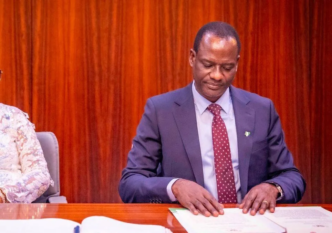
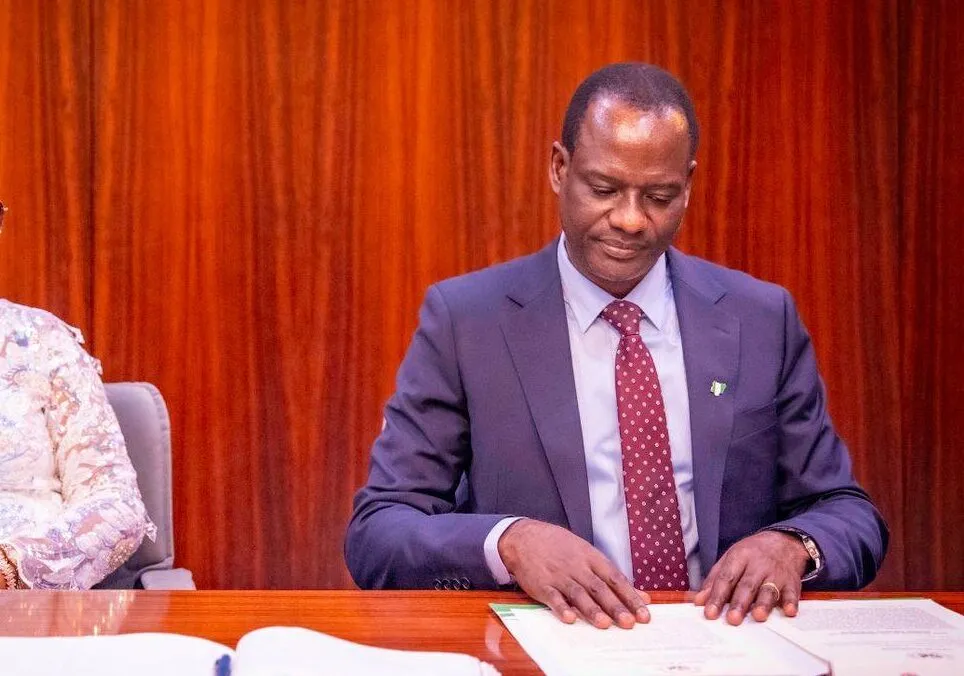
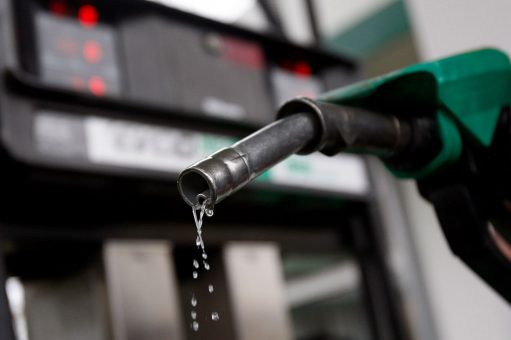
Nigeria’s Finance Minister and Coordinating Minister of the Economy, Taiwo Oyedele, has said the petrol price discount at NNPC Retail Limited stations is a commercial margin cut, not a return of the fuel subsidy, and that no public money is involved.
Since October 1, 2026, motorists have paid less for petrol at NNPC Retail outlets after the company reduced its retail margin and in a statement on Friday, Oyedele welcomed the relief for households, commuters and transporters, but rejected claims by some commentators that subsidy has returned.
The Minister explained that a margin discount means a retailer accepts a smaller margin, or none for a period, and passes the saving to customers.
Read More : US Judge Orders Return of Deported Egyptian Man
“The retailer alone bears the cost. A subsidy, by contrast, uses public revenue to cover part of the pump price, money that could otherwise fund salaries, schools, hospitals and infrastructure. That regime ended in 2023,” the Ministry said, and it will not return.
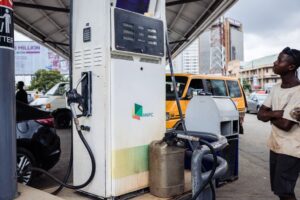
According to Oyedele, the federal budget or the Federation Account does not finance the discount. NNPC Retail buys petrol from Dangote Refinery and other suppliers at market prices on commercial terms, then adds its margin. Because the discount comes only from that margin, the pump price remains market-reflective.
NNPC Retail, a wholly owned subsidiary of NNPC Limited, has operated for over 20 years to ensure the availability, distribution and affordability of refined petroleum products. It has historically sold below other marketers, and the Minister described the discount as continuing that role.
He argued that lower margins need not reduce profits or dividends to the Federation, since higher sales volumes and lasting customer loyalty can offset the cut, adding that the retail margin is under 5 per cent of the pump price, so the discount cannot meaningfully widen the gap with neighbouring countries, where petrol costs 20 to 40 per cent more. No new smuggling incentive is created.
He said the discount sits alongside CNG transport expansion, waivers of taxes and duties on petrol, and the removal of illegal levies that raise transport costs, all aimed at easing pressure without reviving subsidies.