Trending
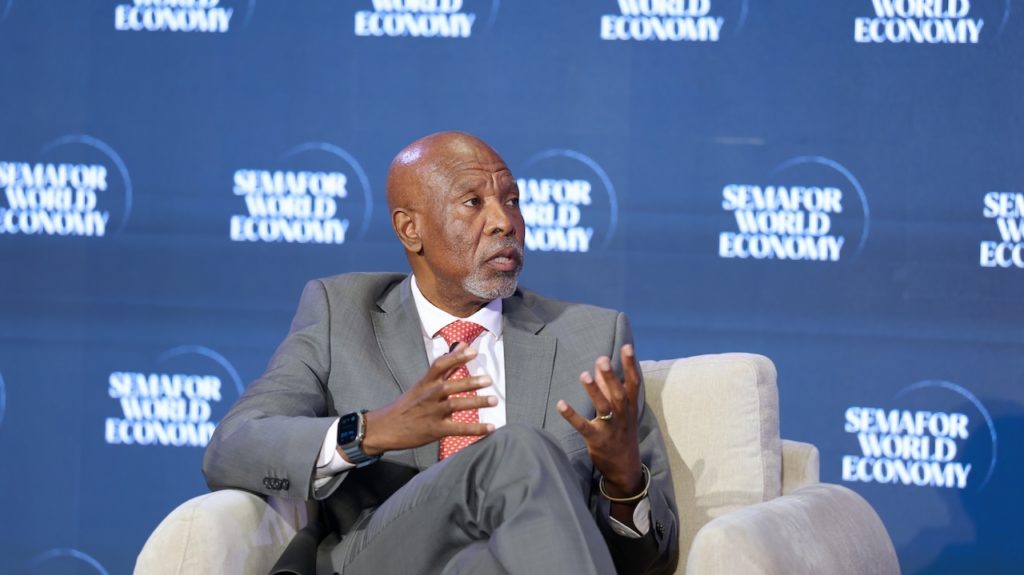
The South African Reserve Bank (SARB) signalled on Tuesday that the conflict in Iran has introduced substantial upside risks to the national inflation trajectory, prompting financial markets to price in two interest rate hikes for the current year.
According to the bank’s latest Monetary Policy Review, while price stability remains the priority, the ongoing energy shock is expected to push headline inflation to an average of 3.7% this year.
Despite this pressure, policymakers still expect inflation to stay within the official tolerance band.
Read More : Pillay Calls US Sanctions on ICC ‘Unacceptable’
The shift in market expectations marks a significant reversal from earlier forecasts, which had anticipated interest rate cuts prior to the outbreak of the Middle East conflict.
Current data suggests scope for two 25-basis-point hikes in 2026 to counter potential second-round effects of rising oil prices.
The SARB noted that if global oil prices remain above $97 per barrel, a “severe” scenario could unfold where inflation remains elevated for a longer period, potentially delaying the achievement of the 3% target until after 2027.
Nevertheless, the central bank maintained that South Africa’s economic foundation is more resilient now than during the 2022 energy crisis. Ongoing fiscal consolidation and a lower risk premium have provided a buffer against global volatility.
While the repo rate has remained at 6.75% for the duration of the year, the SARB remains watchful, noting that the duration of the war and the resulting infrastructure damage remain the primary uncertainties threatening domestic price stability.