Trending
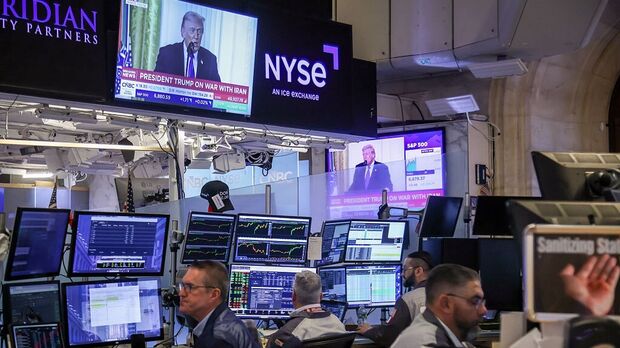
Global stocks have risen while oil prices have fallen as investors assess tougher economic pressure from the United States (US) on Iran.
US Treasury Secretary Scott Bessent has described Washington’s new campaign against Tehran as an “economic D-Day”, threatening countries that continue trading with Iran.
“Around the globe, our objective is to sever every economic lifeline that sustains this tyrannical regime until Tehran stands alone,” Bessent said on Monday.
“We are going to hold everyone accountable, and this is economic asphyxiation of this regime,” he added.
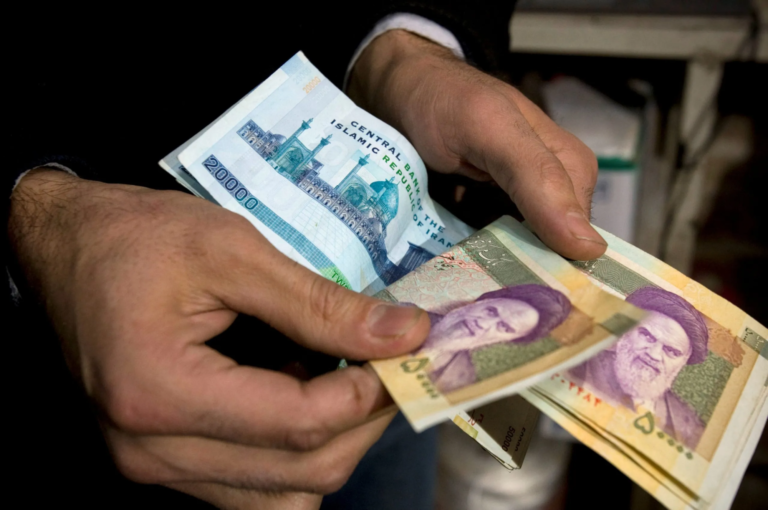
The US Treasury said sanctions will target Iran’s digital assets, technology, gold, aviation and shipping sectors.
President Donald Trump has also been calling world leaders, urging them to stop economic interactions with Tehran.
The tougher measures come as the war between the US and Iran enters its sixth month, while talks to reopen the Strait of Hormuz remain stalled.
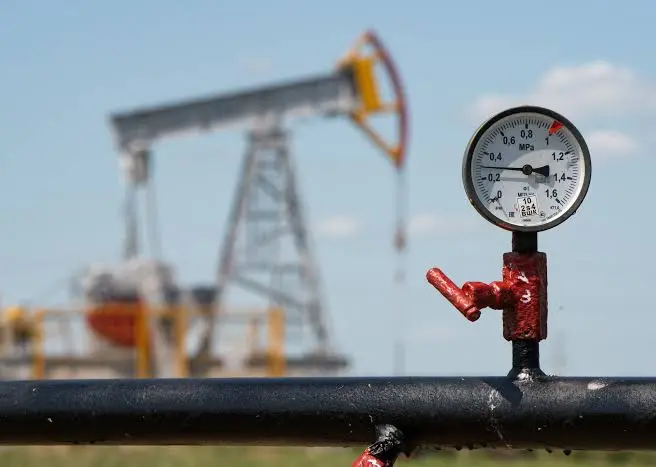
Oil prices, which had risen for much of August because of the conflict, fell more than two per cent on Monday before briefly recovering in early Asian trading.
Stock markets have mostly recovered despite a weak session on Wall Street, with major Asian markets including Seoul, Tokyo, Shanghai, Taipei and Singapore recording gains. European markets also edged higher, while Frankfurt rose after data showed German economic growth was stronger than previously estimated in the second quarter.
Investors are now focused on Nvidia’s latest earnings report, with the chipmaker remaining a major indicator of the strength of the artificial intelligence boom. Markets are increasingly questioning whether huge investments in AI will deliver enough returns to justify high company valuations.
“Investors are not simply asking whether Nvidia can deliver another strong quarter. They are asking whether it can deliver enough upside to justify already-high expectations,” said Charu Chanana of Saxo Markets.
Investors are additionally watching the annual Jackson Hole meeting in Wyoming, where Reserve chief Kevin Warsh is expected to provide clues about US monetary policy.
Inflation remains a concern, while bond yields have risen sharply.
Bessent has also said the Treasury will buy back more government bonds to help reduce borrowing costs.
Meanwhile, the Canadian dollar has edged higher against the US dollar after falling on Monday. The currency remains under pressure after Trump threatened to double tariffs on Canadian vehicles after Washington and Ottawa failed to reach a trade agreement.
New US tariffs of 50 per cent on selected Canadian goods took effect on Saturday, with Canada preparing retaliatory measures.