Trending


A 10-day ceasefire between Lebanon and Israel began at midnight on Friday, sparking a rush of displaced residents attempting to return to their homes in southern Lebanon.
The ceasefire, hailed as a significant step in Washington’s broader efforts to resolve the conflict between the US and Iran, brought both optimism and caution amid lingering tensions.
Shortly after the truce took effect, Lebanon’s army warned civilians in the south against returning home. Despite the army’s caution, citing “several Israeli acts of aggression,” AFP images showed packed cars heading south, with residents eager to reunite with their homes, even though many had fled after sweeping Israeli evacuation orders.
Read More : Mauritania Students Protest Transport Fare Hike
Alaa Damash, a displaced resident, admitted hearing the warnings to “wait a bit” before returning, but spoke of the strong pull her homeland held.
“The love for our lands and houses, and our attachment to them, pushed us to go back despite the fire threats,” she explained.

Despite the ceasefire, violence continued in the region. Israel’s military reported airstrikes on over 380 Hezbollah targets in southern Lebanon and maintained its high alert status. In contrast, Hezbollah representatives indicated they would “cautiously adhere” to the truce, provided Israel ceased its attacks.
The ceasefire also carries heavy geopolitical significance. President Donald Trump, who has been pushing for a peace deal, spoke to both Israeli Prime Minister Benjamin Netanyahu and Lebanese President Joseph Aoun ahead of the ceasefire. The truce, which includes Hezbollah’s involvement, is seen as a pivotal moment for possible peace negotiations between Israel and Lebanon.
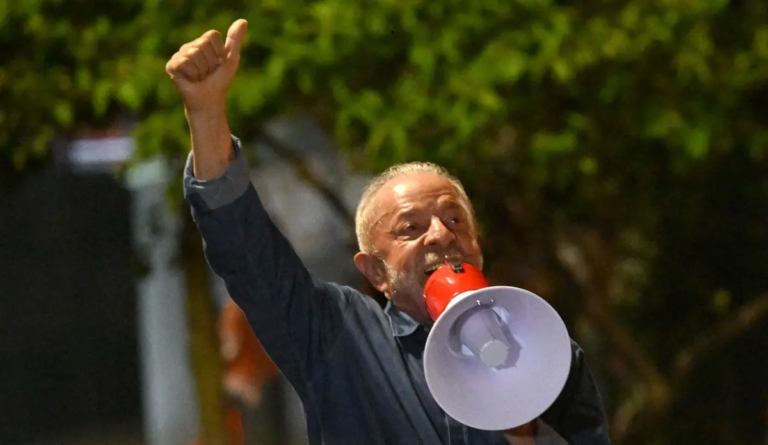
Read More : Brazil’s Lula Turns 81, Vows 24-Hour Workday
Lebanese Prime Minister Nawaf Salam welcomed the truce, acknowledging that it was a key demand for Lebanon since the conflict with Hezbollah erupted in early March.
“We are very happy that a ceasefire has been reached in Lebanon because we are tired of war and we want safety and peace,” said housewife Jamal Shehab, 61, from Beirut, echoing widespread sentiments.
The road to a lasting peace, however, remains uncertain. Netanyahu has emphasised that the disarmament of Hezbollah is a condition for any future agreements, while Hezbollah’s spokesperson thanked Iran for applying pressure that helped facilitate the ceasefire.