Trending
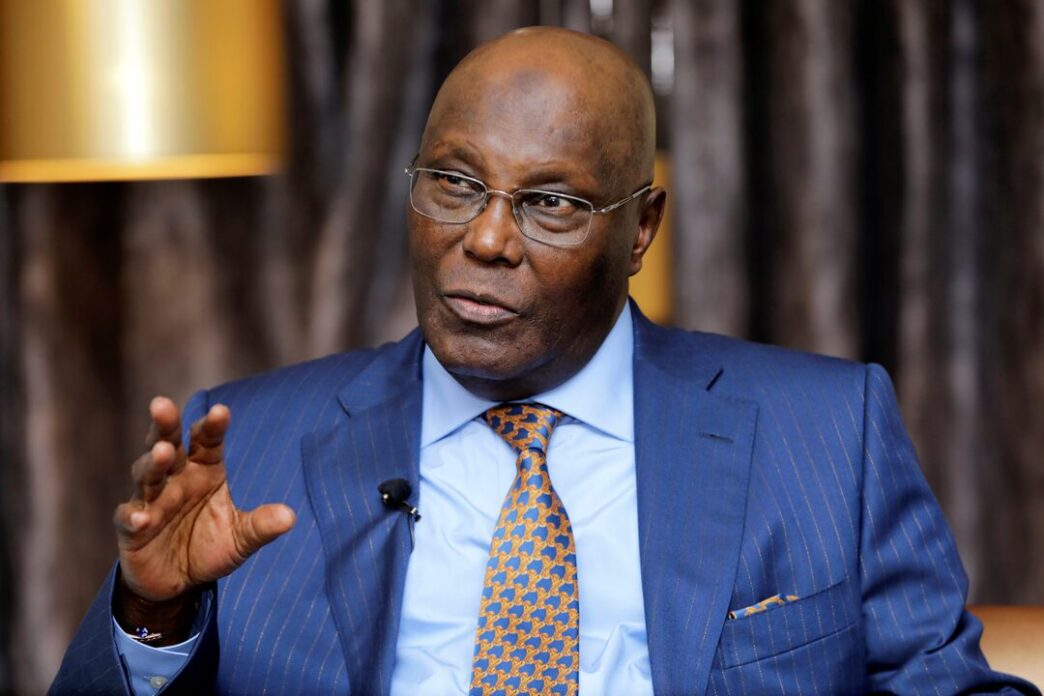
Former Vice-President Atiku Abubakar has criticised President Bola Tinubu’s administration over the state of the economy, accusing the government of putting pressure on Nigerian businesses while foreign investors withdraw capital from the country.
Atiku, the African Democratic Congress (ADC) presidential candidate, made the comments in a statement issued on Tuesday by his Senior Special Assistant on Public Communication, Phrank Shaibu.
Citing data from the Nigerian Exchange, Atiku said foreign investors brought ₦513.36 billion into the Nigerian equities market between January and July 2026 but withdrew ₦779.43 billion during the same period, resulting in a net outflow of ₦266.07 billion.
He said foreign investors recorded net outflows in every month during the period, with the figure about 11.7 times higher than the ₦22.68 billion recorded during the corresponding period of 2023.
Atiku described the figures as an indication of declining investor confidence in the Nigerian economy under the Tinubu administration.
“This is not merely an investment statistic. It is a confidence verdict on the Tinubu economy,” the statement reads.
He also pointed to increased Nigerian government borrowing, saying domestic borrowing had risen by 90.5 per cent to ₦24.7 trillion in eight months.
According to Atiku, credit extended to the government had also grown more than four times faster than credit available to the private sector.
He argued that the combination of rising government borrowing and declining foreign investment was putting Nigerian businesses under increasing pressure.
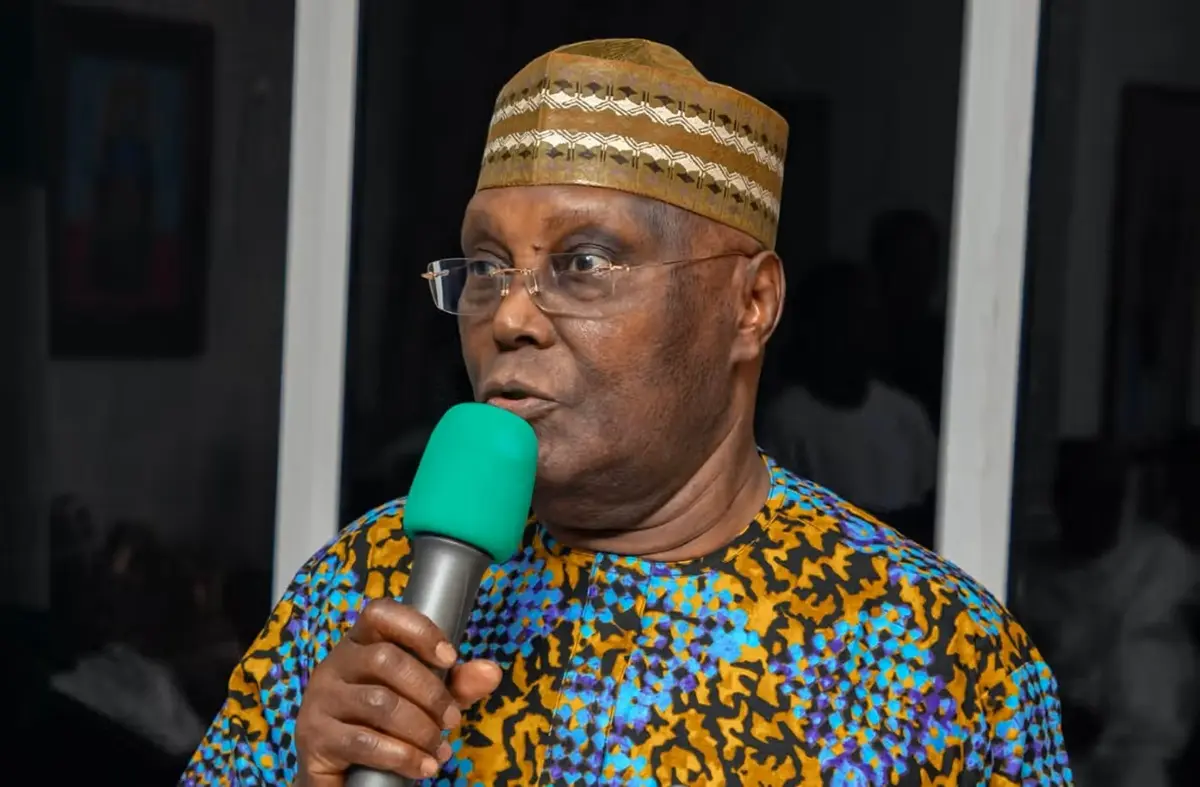
Atiku said local businesses were struggling, foreign capital was leaving, government borrowing was rising rapidly, while food and transportation costs were putting additional pressure on households.
“So, the picture is now painfully clear: Tinubu’s government is crowding Nigerian businesses out of the domestic credit market while foreign investors are taking their money and heading for the exit,” he said.
“Local businesses are suffocating. Foreign capital is fleeing. Government borrowing is exploding. Food prices has skyrocketed. Transportation costs are crushing families.”
He accused the administration of celebrating its economic reforms despite what he described as worsening hardship across the country.
“Yet, with Nigerians crushed under the weight of its disastrous policies, the Tinubu administration still has the audacity to celebrate itself for presiding over an economic catastrophe of its own making,” he said.
The former vice-president argued that an economy could not be described as recovering when entrepreneurs struggled to access affordable credit, manufacturers faced rising operating costs, households were becoming poorer and investors were reluctant to keep their funds in Nigeria.
He said investors were increasingly assessing the country based on policy consistency, inflation, purchasing power, regulatory predictability and the prospects of earning sustainable real returns, rather than government speeches and headline economic figures.
Atiku said Nigeria needed economic policies capable of restoring investor confidence, reducing the cost of doing business, making energy and transportation more affordable and encouraging production.
He argued that the private sector, rather than increased government borrowing, should be at the centre of economic growth.
Atiku said this approach represented a fundamental difference between what he described as the Tinubu administration’s focus on government consumption and his own emphasis on private-sector production and household affordability.
He maintained that the government could not continue borrowing at the expense of the private sector, weaken consumers’ purchasing power and still present Nigeria as an attractive destination for investors, arguing that the movement of foreign capital was already reflecting investors’ response to the country’s economic conditions.