Trending
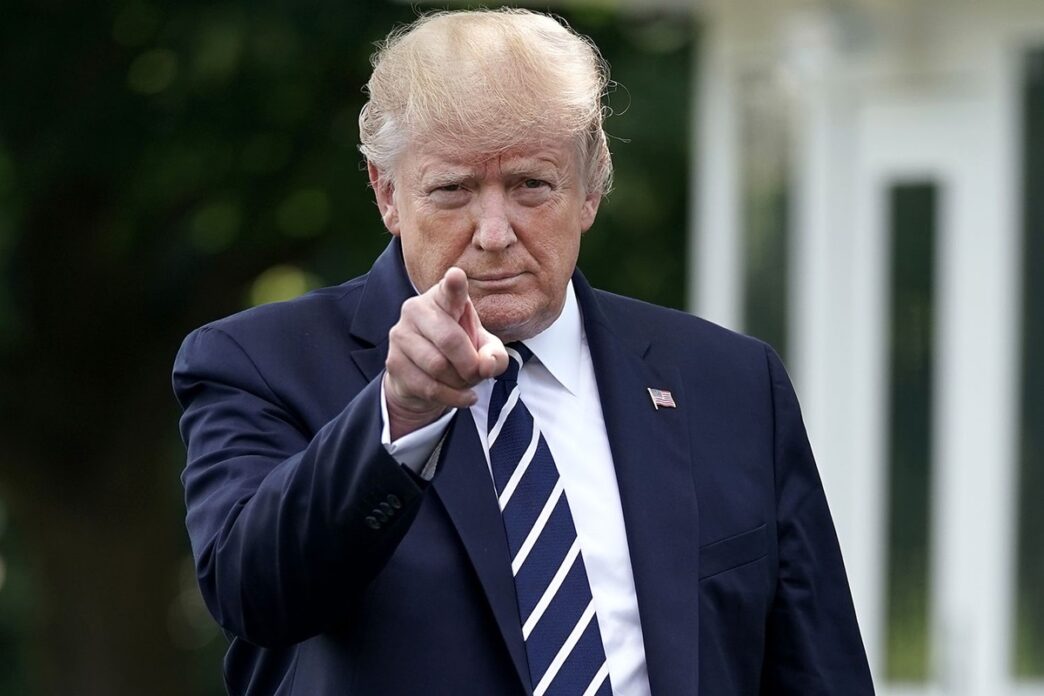
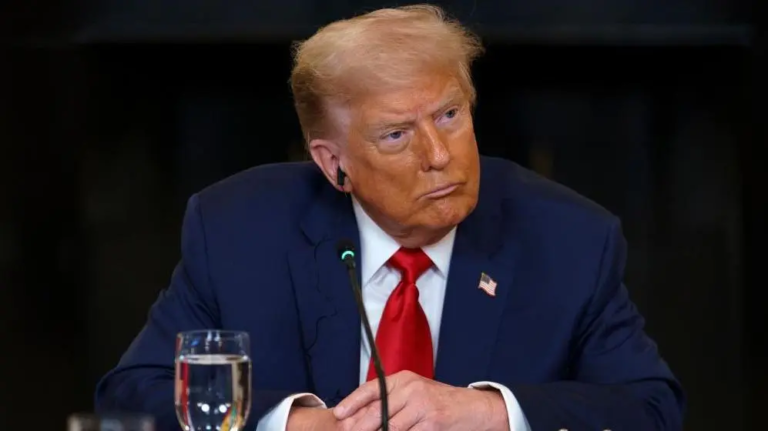
President Donald Trump indicated on Thursday that, once the United States concludes its military campaign against Iran, his administration intends to shift its attention toward Cuba, a longstanding geopolitical irritant now under deep economic strain.
Trump made the remarks during a White House reception, underscoring a broader foreign policy arc that has placed Cuba increasingly in Washington’s crosshairs.
Speaking alongside members of the Inter Miami soccer team, Trump said: “We want to fix, finish this one first, but that will be just a question of time before you and a lot of unbelievable people are going to be going back to Cuba.” He also singled out US Secretary of State Marco Rubio, the son of Cuban immigrants, praising him: “You’ve been doing a fantastic job on a place called Cuba.”
Read More : US Probes TV Networks Over Trump Coverage
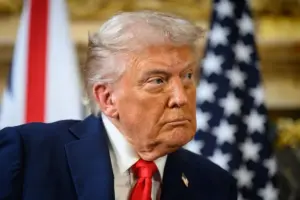
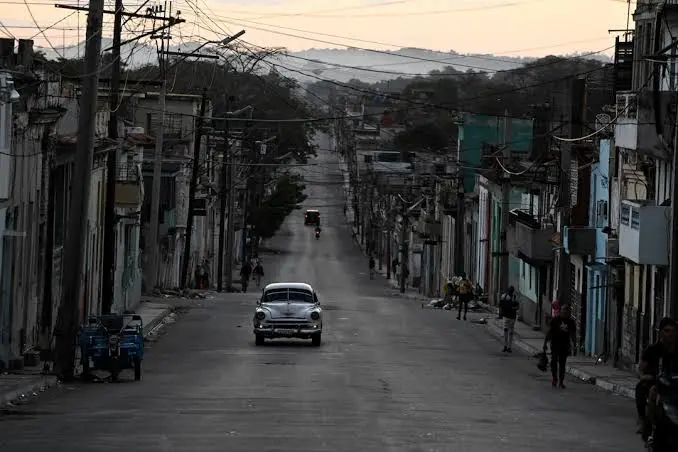
Trump’s comments reflect a sustained effort to pressure the Cuban government, which has been grappling with a severe economic crisis exacerbated by a US‑led oil embargo. By cutting off Venezuela’s oil, Cuba’s primary fuel source, and threatening tariffs on third countries that supply fuel, Washington has accelerated fuel shortages that have disrupted airlines, industry and everyday life on the island.
The president’s suggestion that the United States might “go back to Cuba” feeds into widespread concern among Cubans and analysts alike that the Caribbean nation could be next on Washington’s list of foreign interventions, especially following the US and Israeli campaign in Iran. For decades, Trump and Rubio have publicly voiced their desire to see an end to Cuba’s communist government.
While Trump did not detail any specific plans, his remarks signal that US policy toward Cuba remains aggressive and that the administration is considering intensified pressure or involvement once current priorities elsewhere are resolved.